Most people use these three terms interchangeably. That's a mistake that can cost you time, a wasted trip, and money left on the table. If you're in Markham and trying to unload an old vehicle, a pile of copper pipe, or a stripped engine block, knowing exactly which type of facility to call first matters more than most people realize. The right destination gets you paid. The wrong one turns you away at the gate.
Here's a straight breakdown of what separates a junkyard, a salvage yard, and a scrap metal yard in Markham — and how to use each one to your advantage.
---The Three Types of Yards: A Clear Breakdown
These facilities overlap in some areas, but their core business models are very different. Each one makes money differently, which directly affects what they'll accept, what they'll pay, and how they operate.
Junkyard
A junkyard is typically a catch-all facility. It accepts end-of-life vehicles, broken appliances, damaged machinery, and general debris. Some junkyards run a "pull your own parts" model — customers walk the lot, locate a vehicle, and remove the components themselves. Others are buy-only operations that strip incoming vehicles before resale. Junkyards tend to be less organized and may not weigh or price materials with precision. If you're looking to drop off a badly damaged vehicle fast, a junkyard might take it — but don't expect a detailed payout breakdown.
Salvage Yard
A salvage yard focuses on recoverable value. These facilities assess incoming vehicles or equipment for reusable parts — doors, transmissions, alternators, catalytic converters, rims, and more — before anything gets crushed or shredded. In Ontario, salvage yards that handle vehicles are typically licensed and must comply with provincial and municipal regulations around documentation and title verification. If your vehicle still has functioning parts, a salvage yard may pay more than a scrap-only facility because they profit from reselling those components.
Scrap Metal Yard
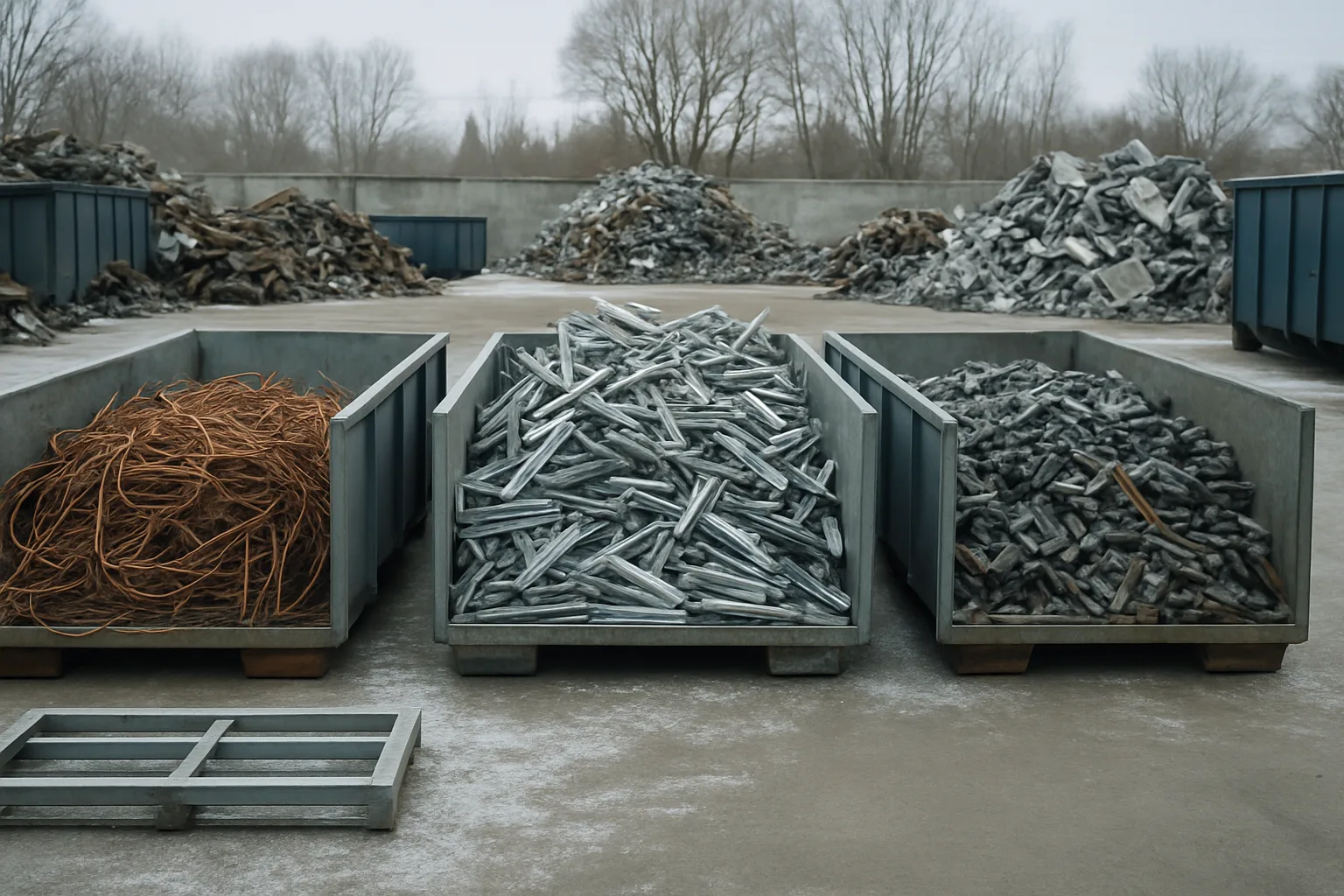
A scrap metal yard — also called a scrap yard or recycling yard — deals primarily in raw material by weight. They buy ferrous metals (steel, iron) and non-ferrous metals (copper, aluminum, brass, stainless) and sell them to processors and mills. This is where pricing gets precise. Operators weigh your load, grade the material, and pay you based on current commodity rates. If you've got stripped wire, aluminum extrusion, cast iron radiators, or a load of mixed steel, a local scrap yard in Markham is where you want to go.
---Why the Distinction Matters When You're Trying to Get Paid
Showing up at the wrong facility wastes everyone's time. A scrap metal yard that processes primarily industrial loads may not want your single car battery and a bag of mixed metals. Conversely, a pull-a-part junkyard won't pay you top dollar for a bundle of clean copper tubing — that's not their business.
Here's a quick guide to help you match your material to the right facility:
- End-of-life vehicle, still drivable or towable: Start with a salvage yard — you may get more for functional parts before the shell goes to scrap.
- Stripped vehicle or crushed shell: Scrap metal yard, priced by the tonne.
- Non-ferrous metals (copper, aluminum, brass): Scrap metal yard — these buyers have the grading systems to pay accurately.
- Used auto parts you want to sell: Salvage yard or online auto parts platforms.
- Mixed load (metals, old appliances, general debris): Junkyard may be your most accessible option, though returns vary.
- Catalytic converters: Specialized buyers or platforms that offer proper serial tracking and documentation — never sell cats to a buyer with no accountability chain.
In Markham and across Ontario, the scrap and salvage industry is regulated. Facilities handling vehicles must document ownership. Buyers of certain materials — especially catalytic converters — are subject to provincial anti-theft regulations. Know what documentation you need before you arrive.
---How Scrap Metal Prices Actually Work at a Yard
If you've never sold scrap before, the pricing system can feel like a black box. Here's how it actually works at a scrap metal yard in Markham or anywhere else in Canada.
Metal prices are commodity-driven. They track global markets — the London Metal Exchange (LME) for non-ferrous metals, and regional mill pricing for ferrous scrap. Yards buy at a spread below the commodity price — that's their margin. What you receive depends on:
- Metal type and grade: Clean copper wire pays more than insulated wire. Bare bright copper is the top tier. Aluminum varies widely — extrusion, cast, and sheet all pay differently.
- Contamination: Mixed or dirty loads get downgraded. A clean load of #1 copper shouldn't be bundled with insulated wire and priced the same.
- Volume: Larger loads often get better per-pound rates. A single piece of steel vs. a full truckload — the math favors volume.
- Market conditions on the day you sell: Prices can shift week to week. Timing matters.
When you call ahead or check scrap metal prices today near me, you're getting a snapshot of the current yard rate — not a locked-in price. Rates at the gate can differ from what you see posted online. Always confirm before you load the truck.
Disclaimer: Scrap metal prices fluctuate daily based on commodity markets. Always verify current rates directly with the yard or platform before selling.
---Finding the Right Facility Near Markham — and Making Sure It's Open
Markham sits in the northeast part of the Greater Toronto Area, surrounded by York Region. There are several scrap and recycling operations within a reasonable drive. But availability matters as much as location. Showing up at a facility on the wrong day — or after hours — means hauling your load back home.
Before you go, confirm:
- Hours of operation: Many scrap yards in Ontario keep weekday hours and have limited or no weekend access. Searching for a scrap yard near me open now is a smart first move before you load your vehicle.
- Accepted materials: Not every yard takes every material. Call ahead if you're unsure.
- Required documentation: Government-issued ID is standard. For vehicles, you'll likely need ownership documents. For catalytic converters and certain regulated metals, expect additional requirements.
- Load size restrictions: Some yards won't take loads under a certain weight. Others have maximum load limits per visit.
Tools like find a scrap yard near you in Canada let you filter by location and material type, so you're not cold-calling facilities that won't take what you've got. That alone saves time and fuel.
If you're a business or recycling yard looking to move larger volumes — loads of non-ferrous material, bulk steel, or specialty items like catalytic converters — platforms like get competitive bids for your scrap in Canada through SMASH, which brings vetted buyers into a competitive auction format. More competition, better price discovery. No subscriptions, no guessing.
---When a Single Buyer Is Costing You Money
Whether you're a first-time seller hauling one load or a recycling operation moving material regularly, the single-buyer problem is real. One buyer, one price, one phone call — that's the old model. You have no way of knowing if the number you were quoted is fair, inflated, or low.
Competition fixes that. When multiple vetted buyers see the same load and bid against each other, the price that lands reflects the actual market. That's not a guarantee — some loads don't attract strong bids, and commodity prices set the ceiling regardless. But transparency and competition give you a much clearer picture than one phone call ever will.
SMASH runs exactly this kind of model for scrap yards and recycling operations across North America. Sellers list inventory with photos, weights, and documentation. Buyers bid. No subscription fees — SMASH only makes money when the seller does. For individual sellers in Markham, connecting with a trusted local yard is still the right first step. But for yards and businesses moving volume, knowing that platforms like SMASH exist changes your leverage entirely.
You can also read Canadian scrap yard guides to get up to speed on how different material types are priced, what documentation you need, and how to prepare your load before you arrive.
---Practical Tips Before You Make the Trip
Whether you're selling a load of copper, a scrap vehicle, or a mix of household metals, a little preparation gets you a better result. Here's what experienced sellers do before they pull up to the gate:
- Sort your metals before you go. Don't mix copper and aluminum. Keep ferrous and non-ferrous separate. Clean loads pay more.
- Remove plastic, rubber, and insulation where possible. Contamination hurts your grade — and your payout.
- Weigh your load at home if you can. Even a rough estimate helps you evaluate whether the yard's scale reading is in the right range.
- Get the current price before you leave. Don't assume the rate you saw online last week still applies. Ask the yard for today's rate by material type.
- Bring valid ID. No exceptions at reputable facilities. This protects both you and the yard.
- Ask for a receipt. Any legitimate scrap yard will provide documentation of what was sold, at what weight and rate.
If you're not sure where to start, locate the closest Canadian scrap yard to your location and confirm they accept your specific materials before making the trip. A two-minute call saves an hour of wasted time.
When you're ready to sell — or just want to understand your options better — the best move is to find a trusted facility that's accountable, transparent, and knows how to handle your material type. Across Ontario and the rest of Canada, those yards exist. You just need to know where to look.
---Frequently Asked Questions
Q: What is the difference between a scrap yard and a junkyard in Markham?
A scrap yard focuses on buying metal by weight, with precise grading and pricing based on current commodity rates. A junkyard is typically a broader, less specialized facility that accepts end-of-life vehicles and general debris. If you're selling metal, a local scrap yard in Markham will give you a more accurate and often better payout than a general junkyard.
Q: How do I find a scrap yard near me open now in Markham or York Region?
Search online using location-based tools or visit scrap-yard-near-me.ca to filter by area and confirm hours before you go. Many Ontario scrap yards operate weekday hours only, so calling ahead or checking current hours online is essential — especially if you're working around a tight schedule.
Q: What documents do I need to sell scrap metal at a yard in Ontario?
At minimum, you'll need a valid government-issued photo ID. If you're selling a vehicle, you'll need the vehicle ownership document. For regulated materials like catalytic converters, Ontario yards may require additional documentation under provincial anti-theft legislation. Always call ahead to confirm requirements specific to your material.
Q: How are scrap metal prices today determined at a local scrap yard?
Yard pricing tracks commodity markets — primarily the London Metal Exchange for non-ferrous metals and regional mill pricing for steel and iron. Yards apply their own spread on top of commodity rates. Prices can shift daily, so what you see posted online may not reflect the rate at the gate. Always confirm current rates before selling.
Q: Is it worth selling to multiple buyers instead of just one local yard?
For larger volumes or specialty materials, yes — competition between buyers can lead to better price discovery. Platforms like SMASH bring vetted buyers into a structured auction format, which gives recycling yards and businesses selling regularly a clearer picture of what the market will actually pay. For smaller one-off loads, a trusted local scrap metal yard in Markham is usually the most practical starting point.
---The right facility makes a real difference — whether you're clearing out a workshop, scrapping a vehicle, or running a regular metal recycling operation. Take a few minutes to identify what you have, sort it properly, and confirm the right destination before you haul it anywhere. When you're ready, find a trusted scrap yard near you in Canada at scrap-yard-near-me.ca — and go in knowing what your material is worth.
For ongoing scrap market insights and industry updates across North America, follow SMASH on LinkedIn — practical information for anyone buying or selling scrap metal professionally.