Most Sellers Leave Money on the Table Before They Even Pull Into the Yard
You've got a pile of scrap sitting in the driveway. Old rebar, a busted radiator, copper wire stripped from a reno job, maybe a catalytic converter you pulled last spring. You figure you'll load it up, drive to the nearest yard, and walk out with cash. Simple enough. But if you show up with a mixed, unsorted, unidentified load, you're not getting top dollar — you're getting whatever the buyer feels like offering that day. And that number will be low.
Finding a scrap metal buyer near me Moncton is the easy part. Preparing your scrap properly before you arrive — that's where the real money is made. This guide covers exactly what to do before your next yard visit, whether you're a homeowner clearing out a garage or a shop moving regular loads through New Brunswick.
Why Preparation Directly Affects Your Scrap Yard Prices in Moncton
Yards don't reward chaos. When a buyer has to sort, separate, or guess what they're looking at, they protect themselves with a low price. That's not personal — that's math. Sorting time costs money. Contaminated loads cost money. Unidentified materials introduce risk. They'll price that risk into your payout.
When you show up with clean, sorted, identified material, you remove that risk entirely. The buyer can weigh and price confidently. You get a faster transaction and a better rate. In a competitive market, small preparation steps can meaningfully change your payout — especially on high-value non-ferrous metals like copper, aluminum, brass, and stainless. Scrap metal prices today are fluid, but the spread between a sorted and unsorted load stays consistent regardless of the market.
Here's what drives your per-pound rate down before the scale even runs:
- Mixed metals in one bin (copper with aluminum, steel with wire)
- Non-metal contaminants — insulation, plastic, rubber, wood
- Unknown alloys with no visual identification
- Wet or oily material that adds non-payable weight
- No documentation on higher-value items like cats or cores
How to Sort Your Scrap Metal Before You Go
Sorting is the single highest-return thing you can do with your time before heading to a scrap yard downtown or any yard within range. It doesn't require tools or expertise — just a few buckets and basic knowledge of what you're looking at.
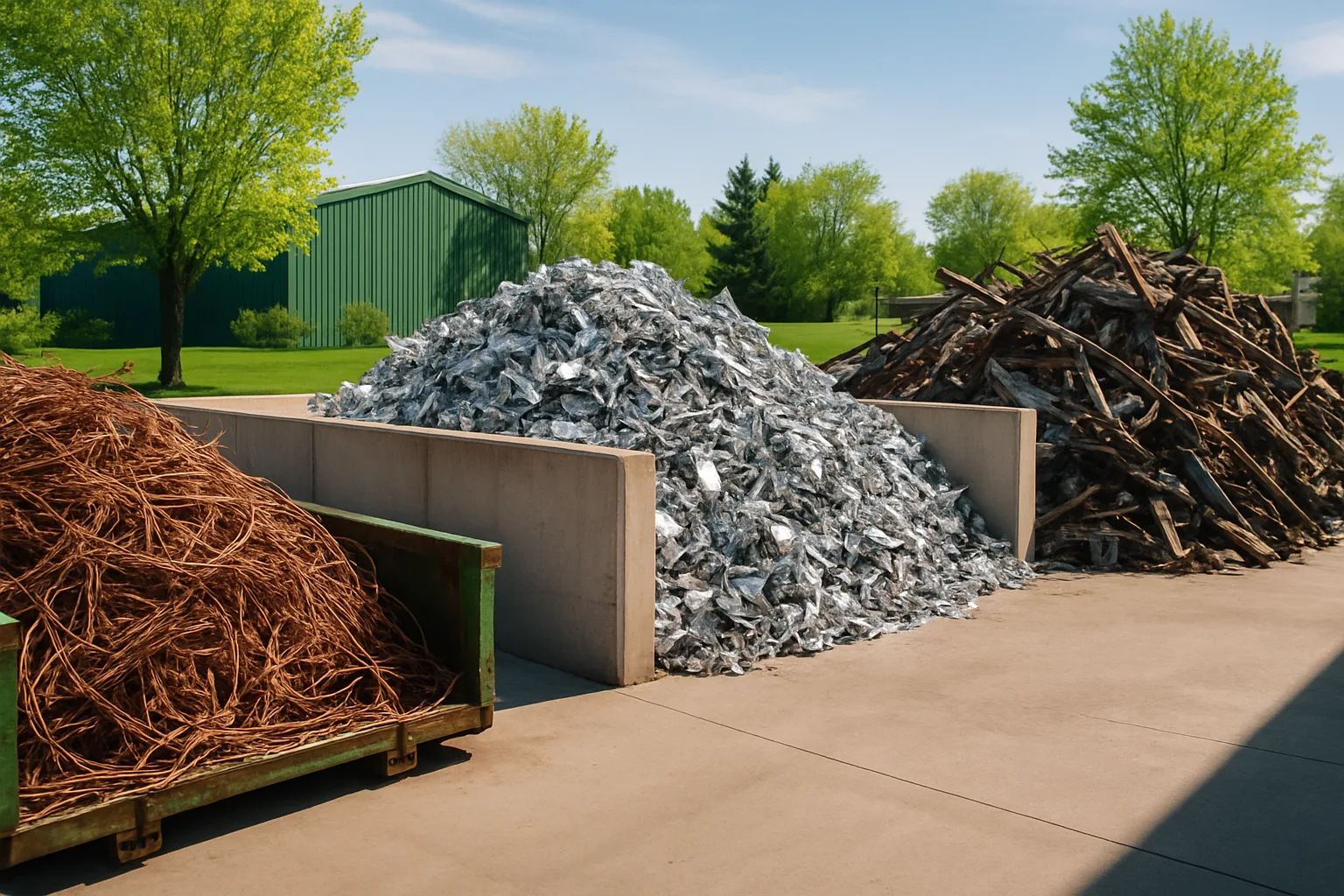
Start by separating ferrous from non-ferrous. Ferrous metals contain iron — they'll stick to a magnet. This includes most steel, cast iron, and rebar. Non-ferrous metals like copper, aluminum, brass, and stainless steel won't stick. Non-ferrous almost always pays more per pound, so keeping them separate ensures you get rated properly instead of lumped in with low-value steel.
Within non-ferrous, separate further:
- Copper: #1 copper (clean wire, pipe with no fittings) versus #2 copper (pipe with solder, coated wire) — these price differently
- Aluminum: cast aluminum (engine blocks, wheels) versus sheet or extrusion aluminum (siding, frames) — different grades, different rates
- Brass: yellow brass fittings, valves, and fixtures — keep these out of your aluminum bin
- Stainless steel: doesn't stick to a magnet and pays significantly more than carbon steel
- Catalytic converters (cats): always keep separate — these are high-value and should be identified and documented individually
Spend 20 minutes sorting before you load the truck. That time can be worth real money once you're standing at the scale.
Clean It Up — Contamination Costs You on Every Load
Cleanliness matters, and yards weigh everything. If your copper pipe still has plastic end caps on it, you're selling plastic at copper prices — or more accurately, you're getting copper prices on a lighter number after the yard discounts for contamination. Same story with insulated wire, painted aluminum, or motors still full of oil.
Before you load up, do a quick strip-and-clean pass on your material:
- Strip wire insulation where volume justifies it. Bare bright copper pays a notably higher rate than insulated wire. If you've got a high volume of insulated wire, ask the yard what their bare rate is — it may be worth your time to strip it.
- Remove plastic and rubber from aluminum extrusions, copper pipe, and steel components. Even minor contamination can knock a load into a lower grade.
- Drain fluids from any motors, radiators, or cores. Wet material adds weight you won't get paid for, and some yards will reject or discount oily loads entirely.
- Cut down large pieces if you can. Some yards have size restrictions on what they'll accept at standard rates. A few cuts with a grinder or saw can save you a dock discount.
Don't obsess over perfect — obsess over no obvious contamination. A clean load signals to the buyer that you know what you're selling. That changes the dynamic at the scale.
Document High-Value Items Before You Walk In the Door
Catalytic converters, copper cores, aluminum radiators, electric motors, and stainless loads all carry real value — and they all benefit from documentation. When a yard can verify what they're buying, they price with confidence instead of pricing defensively.
For catalytic converters specifically, the difference between identified and unidentified units can be substantial. Buyers need to know the substrate type and grade to offer a fair price. If you're moving cats through a junkyard near me within 20 mi, pull the VIN or part number before you show up. That information alone can shift the offer on a single unit. Platforms like SMASH Recycling — where verified buyers bid on your metal use serial tracking and photo documentation to give buyers exactly the data they need to bid competitively — which means sellers don't leave money on the table from lack of information.
What to document before your visit:
- Photos of your sorted loads, especially non-ferrous and high-value material
- VINs or part numbers on catalytic converters
- Serial numbers on motors or cores if available
- Approximate weights by material type if you've got a shop scale — it speeds up the transaction and gives you a reference point
- Any certifications or packing lists for commercial loads
In New Brunswick and across Atlantic Canada, yards that handle higher volumes of commercial scrap expect this level of documentation. Show up prepared and you'll be treated like a professional seller — because you are one.
Timing and Transport — Details That Matter More Than You Think
When you go matters. Early morning on a weekday, particularly Tuesday through Thursday, tends to mean shorter wait times and less congestion at most yards. Avoid Friday afternoons and Monday mornings if you can — those are typically the busiest windows at any active facility. If you're near Moncton and dealing with a yard that runs high commercial volume, a quick call ahead can confirm their peak hours and save you time at the gate.
How you transport your load also affects your payout and your experience. A few practical points:
- Keep grades separated in transport. Mixed loads in one bin undo all your sorting work. Use separate bins, bags, or sections of your truck bed by material type.
- Secure your load properly. Loose scrap that shifts or spills on the road is a liability and may cause the yard to reject or reweigh your material.
- Know the yard's requirements before you arrive. Some yards require identification for certain materials, especially cats and copper. Have your ID and any documentation ready at the gate.
- Weigh before you go if you can. Knowing your approximate weight before arrival lets you spot any discrepancies at the scale and gives you a baseline for comparing offers.
If you're regularly selling commercial loads and want more than one buyer pricing your material, SMASH puts your inventory in front of vetted buyers who compete for your load. No subscription fees. More buyers means better price discovery — that's true whether you're running loads out of Moncton or moving material from anywhere across Canada. You can read Canadian scrap yard guides to understand how the selling process works from preparation through payout.
How to Find the Right Scrap Metal Buyer for Your Load Type
Not every yard handles every material type. A general iron yard won't give you the best price on a load of cats or high-grade copper. A specialty non-ferrous processor may not be interested in your steel. Matching your material to the right buyer is the last piece of preparation most sellers skip entirely.
Before you drive anywhere, confirm:
- Does the yard buy your specific material type? Call ahead or check their site.
- Are they currently accepting your volume? Some yards restrict walk-in loads during peak periods.
- What documentation do they require? Especially relevant for cats, cores, and commercial loads.
- What's their current rate on your key materials? Rates vary yard to yard, and it's worth a quick comparison call if you're moving significant weight.
For sellers in Moncton and across New Brunswick, Moncton scrap metal services can help you connect with facilities that match your load type and volume. And if you want buyers competing for your load rather than taking a single offer, it's worth exploring platforms that bring that competition to you.
You don't need to accept the first number you hear. Preparation, documentation, and the right buyer match are what separate a decent payout from a great one. To find a scrap yard near you in Canada that fits your material type, start by using a directory that filters by location and specialty — not just proximity. The closest yard isn't always the best buyer for what you're selling.
When you're ready to move volume and want real competition on your load, locate the closest Canadian scrap yard that fits your material — or put your inventory in front of vetted buyers through SMASH. Either way, show up prepared and you'll leave with a better number than the seller who didn't.
Disclaimer: Scrap metal prices fluctuate based on commodity markets, material grade, and local demand. Always confirm current rates directly with your yard or buyer before selling.
Frequently Asked Questions
Q: What's the best way to find a scrap metal buyer near me in Moncton?
Start by identifying your material type, then search for yards that specialize in what you're selling. For general ferrous loads, most yards near Moncton will accept walk-ins. For higher-value non-ferrous material, cats, or large commercial loads, confirm ahead of time that the buyer handles your specific material and volume. Directories like scrap-yard-near-me.ca let you filter by location and service type across Canada.
Q: How do scrap yard prices in Moncton compare to other regions?
Scrap metal prices in Moncton track national commodity markets but can vary based on local supply, buyer demand, and transportation costs to processing facilities. Non-ferrous metals like copper and aluminum are priced closer to spot market rates across most regions. Calling two or three local yards and comparing offers before committing to a load is always a good idea.
Q: Do I need to sort my scrap before visiting a junkyard near me?
Yes — sorting your scrap before arrival almost always results in a higher payout. Mixed loads get priced at the lowest-value material in the mix. Separating ferrous from non-ferrous, and separating grades within non-ferrous, lets the buyer price each material at its correct rate. It also speeds up your transaction at the scale.
Q: What scrap metal prices should I expect today for copper and aluminum?
Scrap metal prices today change based on global commodity markets, so no published number stays current for long. Copper and aluminum are typically the highest-paying non-ferrous metals at most Canadian yards. Call your local buyer or check a platform like SMASH for current competitive rates rather than relying on prices from last week. Always confirm the rate before you drop your load.
Q: What documentation do I need to sell catalytic converters in New Brunswick?
Most yards in New Brunswick require government-issued photo ID for catalytic converter sales. Some buyers also request VIN numbers or part numbers to verify the unit type and price it accurately. Having that documentation ready before you arrive speeds up the transaction and often results in a better offer — identified cats almost always price higher than unknowns.
Ready to sell smarter? Find a trusted scrap yard near you in Canada — check locations at scrap-yard-near-me.ca and match your load to the right buyer before you make the drive.
Follow SMASH on LinkedIn for industry updates and scrap metal market insights: SMASH — Scrap Metal Auction Sales Hub.