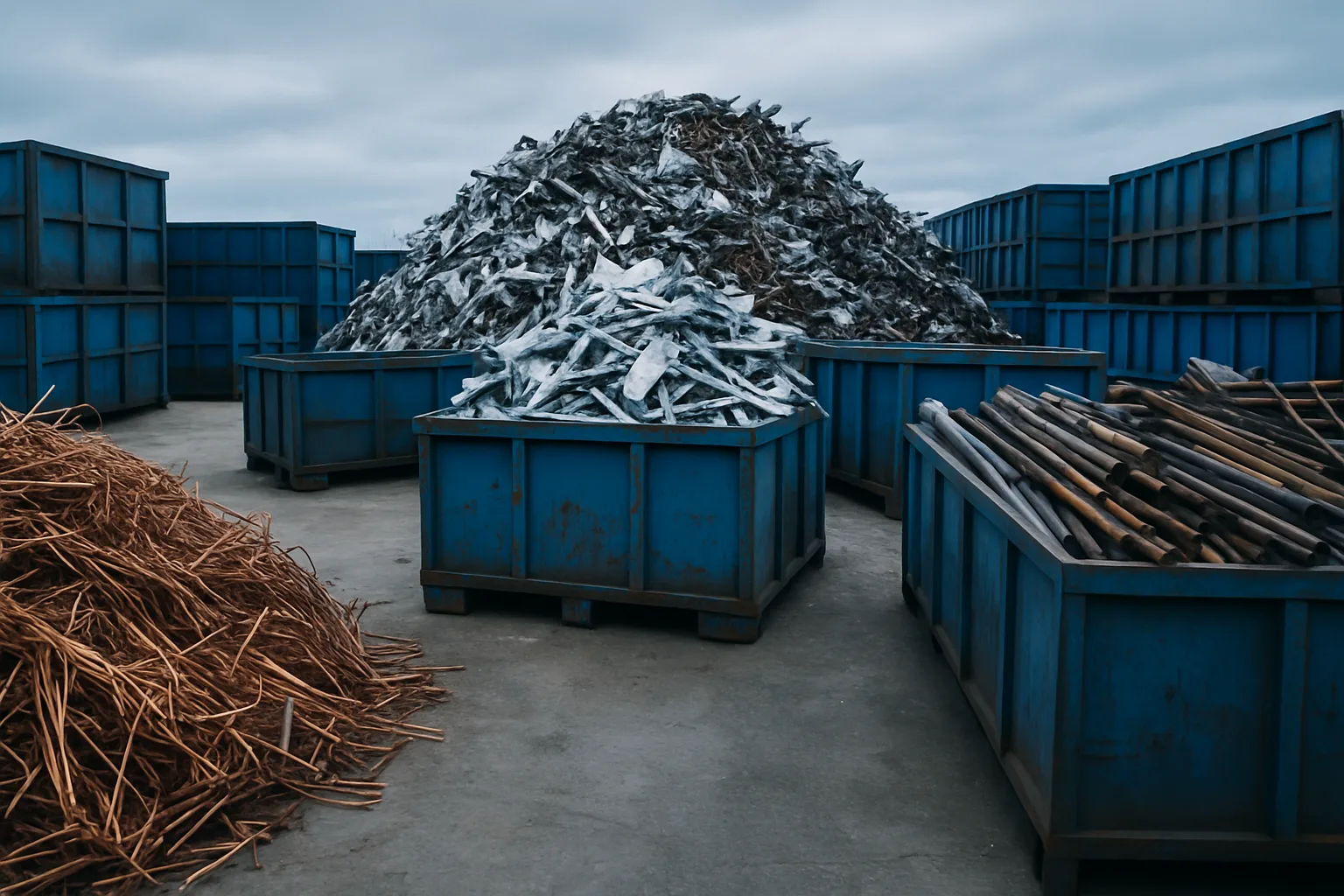
Why Your Scrap Load Came Back Worth Less Than You Expected
You hauled in a truckload of mixed metal. The yard weighed it, made an offer, and the number felt low. Sound familiar? Understanding scrap yard prices in Regina — and across Saskatchewan — starts with knowing exactly how yards weigh, grade, and price your material. Once you understand the process, you stop guessing and start getting paid properly.
This isn't complicated stuff. But most sellers walk in blind, hand over their load, and accept whatever number gets written on the ticket. That's the old way. Let's break down how the system actually works — and how you can use that knowledge to your advantage.
How Scrap Yards Actually Weigh Your Metal
Every scrap yard uses a certified platform scale — usually a drive-on truck scale at the entrance. You pull in, they record your gross weight. You offload. You pull back on the empty scale. The difference is your net weight of material. Simple math, but the details matter.
Most yards weigh in pounds or kilograms depending on their system. Know which one your yard uses before you go. A load that sounds impressive in kilograms can look smaller when quoted in pounds — and vice versa. Always ask for your weight ticket and keep a copy.
A few things that affect your weighed-in number:
- Moisture and dirt. Wet steel or muddy copper cable adds dead weight. Yards account for this — sometimes with a blanket moisture deduction, sometimes by eyeballing the load. Either way, clean and dry material gets you a cleaner ticket.
- Attached non-metal material. Rubber insulation on wire, plastic housings on motors, concrete on rebar. If it's not metal, it shouldn't be priced like metal. Yards will either deduct for it or downgrade your grade entirely.
- Mixed loads vs. sorted loads. A sorted load of clean #1 copper gets priced at #1 copper. A mixed load of copper, brass, and aluminum gets priced at whatever the lowest grade in that pile is — or gets sorted by the yard at your cost.
Bottom line: sort your material before you arrive. It is the single easiest way to increase what you walk out with.
How Scrap Yard Prices Are Set — and Why They Change Daily
Scrap metal is a commodity. Prices move with global markets — the London Metal Exchange (LME), COMEX copper futures, and North American steel indices all feed into what your local Regina yard posts on any given morning. A price that was accurate on Monday may be off by Tuesday afternoon.
Yards apply a spread — they buy below market and sell above it. That spread is their margin. How wide that spread is depends on the yard's volume, their buyer relationships, and how competitive their local market is. In a market with limited buyers, that spread can be significant. In a competitive market with multiple active buyers, it tightens.
This is exactly why platforms like SMASH Recycling — where verified buyers bid on your metal exist. When multiple buyers compete for your load, the spread narrows in your favour. More buyers means better price discovery. That's not a sales pitch — it's how commodity markets work.
Common pricing tiers you'll encounter at most yards:
- Ferrous metals (steel, iron): Priced per hundredweight (CWT) or per ton. Grades include #1 steel, #2 steel, cast iron, car bodies.
- Non-ferrous metals (copper, aluminum, brass, stainless): Priced per pound or kilogram. Grade variations here are significant — #1 bare bright copper vs. #2 copper wire can be a meaningful price difference per pound.
- Catalytic converters (cats): Priced individually by serial number or assay, not by weight. This is a specialized category. A catalytic converter auction format — like what SMASH facilitates — can surface real market value for high-PGM cores that a flat per-unit price would undervalue.
- E-scrap and cores: Valued by content — precious metal yield, core type, and condition. Serial tracking matters here.
Prices fluctuate daily. Always check current rates before you haul in — and if a yard won't post their prices, ask why. Disclaimer: All scrap metal prices referenced in this article are general in nature. Actual prices fluctuate based on market conditions, metal grade, and yard-specific policies. Always confirm current rates directly with your yard or buyer before selling.
Grading: The Part Most Sellers Don't Understand
Weight is only half the equation. Grade determines price per unit of weight. Two loads that weigh exactly the same can be worth dramatically different amounts depending on how the yard grades the material.
Grading is partly standardized (the Institute of Scrap Recycling Industries — ISRI — publishes commodity specs) and partly at the yard's discretion. That discretion is where the money gets made or lost. A yard that grades your aluminum extrusion as clean extrusion pays you more than one that grades it as mixed aluminum because it has a little paint or coating.
Know the grades before you arrive. If you're bringing in copper, know the difference between bare bright, #1 copper, #2 copper, and insulated wire grades. If you're bringing in aluminum, know whether your material qualifies as extrusion, cast, sheet, or mixed. If you're unsure, call the yard first, describe your material, and ask how they'd grade it.
For high-value items like catalytic converters, grading gets even more precise. Cats are valued by their platinum group metal (PGM) content — platinum, palladium, and rhodium. PGM levels vary by vehicle make, model, and year. VIN lookup tools and serial tracking (features that SMASH uses in its platform) let buyers identify exactly what's inside before they bid. That documentation gives buyers more confidence — and confident buyers bid higher.
What 'Junkyard Near Me' Searches Actually Tell You About Local Pricing
When someone in Regina searches junkyard near me Regina or scrap yard near me Saskatchewan, they're usually trying to figure out two things: where to go and what to expect to get paid. Those are related questions, but they're not the same question.
Location matters because hauling costs eat into your net. A yard that's 20 minutes away and pays slightly less may net you more than one that's 90 minutes out and pays a bit more — once you factor in fuel, time, and wear. If you're in Regina scrap metal services territory, you likely have several options within a reasonable radius. Use that competition to your advantage.
But location alone doesn't tell you price. Two yards five blocks apart can have meaningful price differences on the same material — especially on non-ferrous metals and specialty items like cats and cores. That's why researching scrap yard prices in Regina before you haul is worth the 10 minutes it takes. Call ahead. Ask for current prices on your specific grades. Some yards post daily prices online; others don't. Ones that don't may not want you to compare.
If you're searching for a junkyard downtown or a specific junkyard near me for parts, keep in mind that auto salvage yards (which sell used parts) operate differently from scrap metal yards (which buy material by weight and grade). Some facilities do both. Know which type of yard matches your need before you load the truck.
To find a scrap yard near you in Canada that matches your material type and location, use a directory that vets listings — not just a Google result that may be outdated or inaccurate.
How to Prepare Your Load to Get the Best Price
Preparation isn't glamorous, but it's the most reliable way to improve your payout. Here's what separates sellers who consistently get fair prices from those who consistently feel shorted:
- Sort by metal type. Copper separate from brass. Aluminum separate from steel. Mixed loads get priced at the lowest grade in the pile.
- Strip insulation where possible. Insulated copper wire pays significantly less than bare copper. If the volume justifies the labour, strip it.
- Remove non-metal attachments. Plastic, rubber, wood — if it's attached to your metal, it reduces your effective yield.
- Document specialty items. Catalytic converters should be identified by serial number if possible. Cores and e-scrap benefit from documentation. Photos protect you if there's a dispute.
- Get a weight ticket every time. This is your record. If a yard won't give you one, that's a red flag.
- Know your grades before you arrive. Don't let the yard's grading be the first time you hear what your material is worth.
For larger volumes of non-ferrous material or specialty items, consider whether a competitive auction format makes sense. Platforms that bring multiple vetted buyers to your load — rather than a single yard making a take-it-or-leave-it offer — can surface market value more effectively. To locate the closest Canadian scrap yard for your immediate needs, or to explore auction options for larger loads, start with a directory you can trust.
If you want to go deeper on any of these topics, read Canadian scrap yard guides that cover specific metal types, regional market conditions, and how to work with different yard types across the country.
Finding the Right Buyer in Regina and Saskatchewan
Regina's scrap market — like most mid-sized Canadian cities — has a handful of established yards and a range of buyers operating at different volume thresholds. For everyday household or small commercial loads, a local yard visit is usually the right call. For larger loads, specialty material, or high-value non-ferrous, shopping the price makes sense.
Saskatchewan's geography means some sellers are hauling significant distances. That makes price research even more important before you commit to a haul. A load of clean copper or a batch of catalytic converters can warrant a phone call to multiple buyers — or listing through an auction platform where buyers come to you instead of the other way around.
When you're ready to sell, start by knowing what you have, what grade it is, and what the market is paying today. Then find the buyer — local yard, regional buyer, or auction platform — that makes sense for your volume and material type. The sellers who get paid well consistently aren't lucky. They're prepared.
Find a trusted scrap yard near you in Canada — check locations at scrap-yard-near-me.ca to connect with verified yards and recycling facilities across the country, including right here in Saskatchewan.
Frequently Asked Questions
Q: How do scrap yards determine scrap yard prices in Regina?
Yards set prices based on daily commodity markets — global metal indices like the LME feed into local posted prices. They apply a margin (the spread between their buy price and sell price) and adjust for local competition and overhead. Prices for the same metal can vary between yards in Regina, so it pays to call ahead and compare before you haul.
Q: How often do scrap metal prices change?
Prices can change daily — sometimes more than once. Global supply and demand, currency fluctuations, and seasonal factors all move the market. Always confirm current prices on the day you plan to sell, not the day before. A price quoted Monday morning may not reflect what the yard posts by afternoon.
Q: What's the difference between a junkyard near me for parts and a scrap metal yard?
Auto salvage yards (junkyards) sell used vehicle parts to buyers who need them for repairs — they make money on individual components. Scrap metal yards buy material by weight and grade, melt or process it, and sell it to mills and smelters. Some facilities in Regina do both. Know which service you need before you go.
Q: How are catalytic converters priced at scrap yards?
Cats are not priced by weight like most scrap metal. They're valued by their platinum group metal (PGM) content — platinum, palladium, and rhodium — which varies significantly by vehicle make, model, and year. Yards typically identify cats by serial number and price them against current PGM values. A catalytic converter auction format can be more effective for high-value cats because multiple buyers compete, surfacing actual market value rather than a flat-rate estimate.
Q: What should I bring when selling scrap metal in Saskatchewan?
Bring valid government-issued photo ID — most yards in Saskatchewan require it for scrap transactions, particularly for non-ferrous metals. Bring your weight ticket from the scale and any documentation for specialty items like cats or cores. If you're selling a vehicle for scrap, bring the ownership/title. Having serial numbers for catalytic converters can significantly improve what you're offered.
Stay current on scrap metal market conditions and industry news — follow SMASH on LinkedIn for regular updates on metal prices, buyer demand, and recycling industry insights across North America.
```