Not Everything in Your Yard Is Welcome at the Scrap Yard — Here's What You Need to Know
You've got a pile of metal sitting in your driveway, a dead vehicle taking up space, or a shop full of end-of-life parts. You know there's money in it. But before you load up the truck and head to the nearest auto recycling yard in Brampton — or anywhere else in Ontario — you need to know one thing: scrap yards have rules about what they'll take and what they won't touch. Show up with the wrong load, and you're making a wasted trip.
This guide breaks it down clearly. What gets accepted, what gets rejected, how to prepare your load, and how platforms like SMASH help you find the best price for your scrap in Canada before you ever pull out of your driveway.
What Most Auto Recycling Yards and Scrap Yards Will Accept
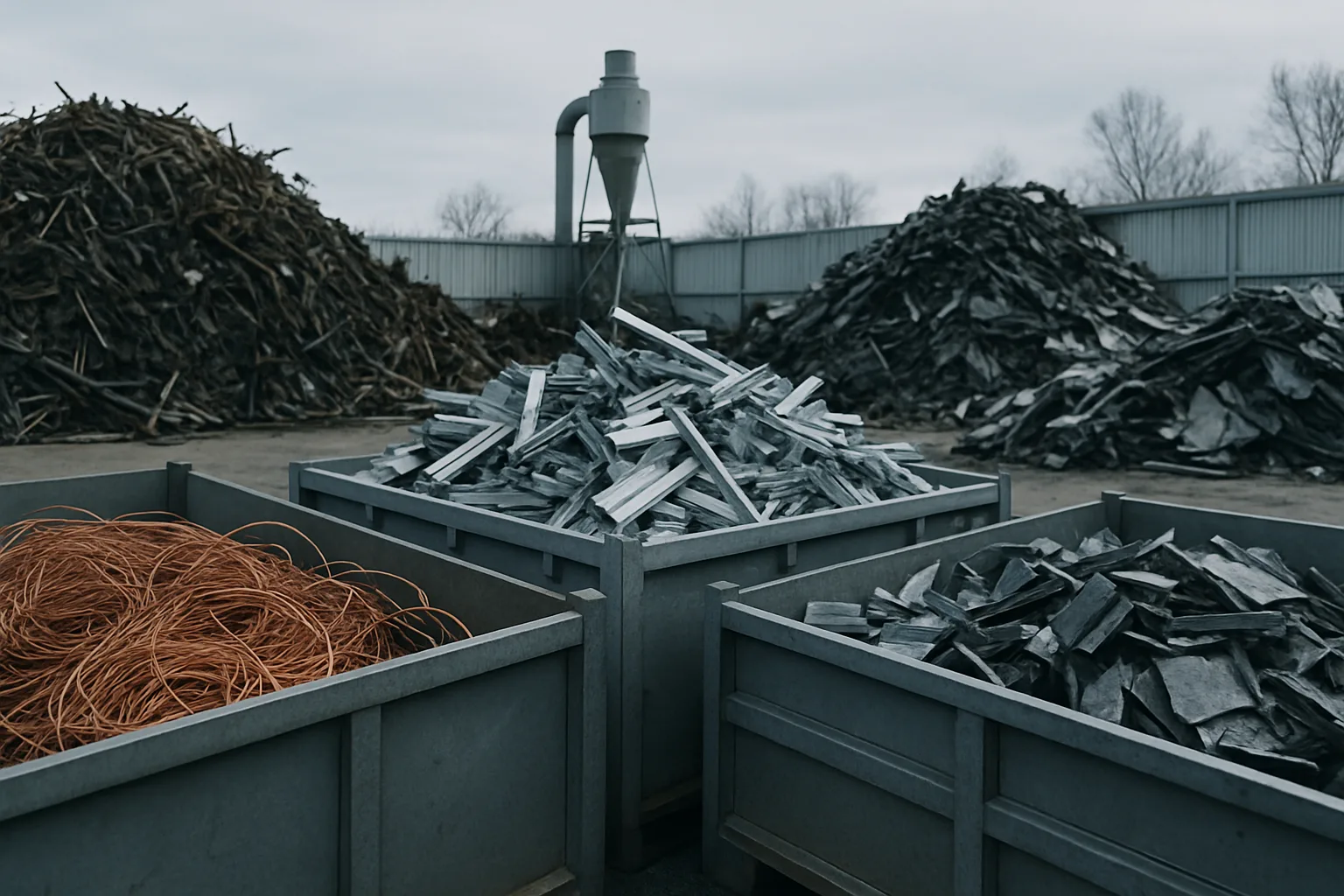
The short answer: clean metal moves. If it's identifiable, uncontaminated, and documented, most yards want it. Here's a practical breakdown of what's typically accepted at scrap yards across Ontario and beyond.
Ferrous Metals
- Steel and iron — structural steel, beams, rebar, pipes, old appliances
- Cast iron — engine blocks, radiators, old stoves
- Sheet metal — body panels, roofing, ductwork (clean, not painted-over asbestos panels)
- Vehicle bodies — crushed or whole, with fluids drained
Non-Ferrous Metals
- Copper — wire, pipe, bare bright, #1 and #2 grades
- Aluminum — rims, extrusions, cans, siding, cast aluminum
- Brass — fittings, valves, plumbing components
- Stainless steel — kitchen equipment, industrial piping
- Lead — batteries, wheel weights (most yards require batteries to be uncracked and unspilled)
Auto Parts
Most auto recycling yards in Brampton and across Ontario actively buy end-of-life vehicle components. This includes alternators, starters, rotors, and complete engine cores. Catalytic converters are a major category — and one that's worth handling carefully (more on that below).
If you're selling auto parts, documentation matters. VIN numbers, photos, and accurate descriptions increase buyer confidence significantly. Platforms like SMASH use serial tracking and photo documentation to ensure buyers know exactly what they're bidding on — which translates to better price discovery for the seller.
What Scrap Yards Will Not Accept — And Why It Matters
This is where a lot of people get burned. You assume a scrap yard takes everything metal. They don't. Some rejections are about contamination. Some are about liability. Some are about provincial regulations in Ontario and across Canada that yards have to follow.
Commonly Rejected Materials
- Vehicles with fluids still in them — oil, coolant, brake fluid, refrigerant. Most yards require de-fluiding before they'll accept a vehicle body. Some yards handle this themselves, but expect a deduction.
- Freon-containing appliances — old fridges and AC units with intact refrigerant lines need certified refrigerant removal first.
- Radioactive materials — smoke detectors (Americium-241), certain industrial gauges. Do not bring these to a scrap yard.
- Asbestos-containing materials — certain brake pads, gaskets, old insulation. Some older vehicle components still contain asbestos. This is a hard no at virtually every yard in Ontario.
- PCB-contaminated metal — transformers and capacitors from older industrial equipment may contain polychlorinated biphenyls. Hazardous waste, not scrap.
- Hollow sealed containers — propane tanks, oxygen cylinders, pressurized vessels. Unless certified empty and cut open, many yards won't touch them due to explosion risk.
- E-waste (most yards) — computers, TVs, circuit boards. Some yards handle this, but most redirect you to an e-waste recycler.
- Mixed loads with high contamination — metal mixed with wood, concrete, plastic, or garbage typically gets rejected or heavily penalized in price.
One thing to understand: rejection isn't always permanent. Sometimes a load just needs to be sorted, cleaned, or documented differently. Knowing the rules before you show up saves time, fuel, and frustration. If you're unsure whether your load qualifies, calling ahead or using an online platform that lets you document your material before listing it is a smart move.
Catalytic Converters: Why They Deserve Their Own Section
If you're holding cats, pay attention. Catalytic converters are one of the highest-value scrap items per pound — and one of the most regulated. In Ontario, and across Canada, yards are required to verify seller identity and document the source of catalytic converters before purchasing them. This isn't bureaucracy for the sake of it — catalytic converter theft has been a major issue, and regulations exist to create an audit trail.
What this means for legitimate sellers: bring your paperwork. If you're pulling cats from vehicles in your yard, have the VINs ready. If you're a shop selling cores, have documentation of where they came from. Yards that skip this step are cutting corners you don't want to be associated with.
For sellers looking to maximize return on catalytic converters, the old approach — calling one buyer and taking whatever they offer — leaves money on the table. The ability to sell catalytic converters online through a competitive auction format means more buyers see your load, and competition drives better price discovery. This is exactly the kind of transaction SMASH was built for. No guessing. No single buyer. Documented inventory, vetted buyers, and a transparent process.
Want to understand how the auction process works before you list? Read Canadian scrap yard guides that walk through the process step by step.
How to Prepare Your Load Before You Arrive
Preparation directly affects what you get paid. A well-sorted, documented load moves faster and attracts better bids. Here's a practical pre-trip checklist:
- Separate your metals. Ferrous goes with ferrous, non-ferrous is sorted by grade. Don't throw copper wire in with steel beams.
- Remove obvious contaminants. Peel off rubber, strip plastic insulation where possible, cut away attached non-metal components.
- Drain fluids. Vehicles must have oil, coolant, and other fluids removed before most yards will accept them.
- Photograph your load. Especially for high-value items like cats, cores, and non-ferrous. Photos reduce disputes and increase buyer confidence.
- Gather documentation. VINs for vehicle parts, receipts for purchased cores, ID for regulated materials like catalytic converters.
- Know your weights if possible. If you've scaled the material at your yard, bring those numbers. It creates a baseline for negotiation.
Whether you're selling to a local auto recycling yard in Brampton or listing through an online platform, a well-prepared load signals professionalism. Buyers pay more for loads they trust.
Brampton, Ontario, and the Local Scrap Market in 2026
Brampton sits at the centre of one of the most active industrial corridors in Ontario. Auto shops, fleet operators, construction companies, and demolition contractors generate significant scrap volume in this area. That means buyers are active here — but it also means competition among sellers is real.
In 2026, the scrap market in Ontario reflects broader North American trends: non-ferrous remains strong, catalytic converter prices continue to be influenced by platinum group metal (PGM) fluctuations, and documentation requirements are tightening across the province. Showing up to a best scrap yard in Brampton without proper documentation on regulated materials is a fast way to get turned away.
If you're not sure where to start or which yards are actively buying specific materials today, find a scrap yard near you in Canada and compare what's available before making the drive. Not every yard buys every material, and prices vary. Don't assume one call to one yard gives you the market rate.
For yards operating across Ontario and beyond — whether in Brampton, Hamilton, Mississauga, or further out — the ability to locate the closest Canadian scrap yard that matches your specific load type saves time and increases your odds of a clean, profitable transaction.
When to Skip the Local Yard and Go Online Instead
Local yards are great for volume ferrous, clean mixed loads, and quick same-day transactions. But for higher-value loads — cats, non-ferrous, specialty cores — the local yard may not be your best move.
Here's why: a local yard has one buyer making one offer. That offer reflects their margin, their current inventory, and their read on the market. It's not necessarily your best price. An online auction with vetted buyers introduces competition. Competition reveals the actual market value of your load — not just what one buyer wants to pay.
SMASH is built specifically for this. No subscription fees. No guessing. You list your load with documentation, vetted buyers bid, and you see real market demand reflected in the price. The platform handles auto-invoicing, serial tracking for regulated items like catalytic converters, and photo documentation — everything a serious buyer needs to bid with confidence. For sellers looking for best scrap metal prices on higher-value loads, that transparency matters.
If you're operating in a city like Brampton with high transaction volume, using a platform built for competitive price discovery isn't a luxury — it's the smarter play.
Frequently Asked Questions
Q: What should I bring when selling scrap at an auto recycling yard in Brampton?
Bring government-issued ID, vehicle documentation (ownership or bill of sale) for vehicle-related parts, and VINs if you're selling catalytic converters or major auto components. Ontario regulations require scrap yards to record seller information for regulated materials. Being prepared speeds up the transaction and avoids rejection at the gate.
Q: Do scrap yards in Brampton accept cars with fluids still in them?
Most yards require vehicles to be de-fluided before acceptance — oil, coolant, brake fluid, and refrigerant need to be drained. Some yards offer de-fluiding on-site but will deduct the cost from your payout. Call ahead to confirm the specific yard's policy before you make the trip.
Q: Can I sell catalytic converters online instead of going to a local yard?
Yes. Platforms like SMASH allow sellers to list catalytic converters with documentation, photos, and serial numbers, then receive bids from vetted buyers. This competitive format can help reveal the actual market value of your cats rather than relying on a single buyer's offer. Documentation requirements still apply — VINs and source records are essential.
Q: What metals get the best prices at scrap yards near me in Ontario?
Non-ferrous metals — copper, aluminum, brass, and stainless steel — consistently outperform ferrous on a per-pound basis. Catalytic converters are high-value due to platinum group metals (PGMs). Prices fluctuate based on commodity markets, so check current rates before you sell. Disclaimer: Metal prices change daily. Always confirm current rates with your yard or platform before committing to a sale.
Q: Are scrap yards in Brampton open on weekends?
Many are, but hours vary by location. Some yards operate reduced hours on Saturdays and are closed Sundays. If you need to find scrap yards open today near your location, call ahead or use an online directory to check current hours before making the trip. Wasted drives are avoidable with a quick check first.
Whether you're clearing out a shop, selling end-of-life vehicles, or moving high-value non-ferrous loads, knowing what scrap yards accept — and what they won't — puts you ahead before you ever leave your property. Preparation, documentation, and the right selling channel make the difference between a smooth transaction and a wasted trip. If you're ready to find a trusted facility near you, find a scrap yard near you in Canada and get your load moving today.
Stay sharp on scrap market trends and pricing insights by following SMASH on LinkedIn — regular updates on the North American scrap market, platform features, and industry news worth knowing.