Most injuries at scrap yards don't happen on the yard floor. They happen in your driveway, at the tailgate of your truck, or on the highway when an unsecured load shifts at 90 km/h. If you're hauling scrap to a scrap metal yard in Kelowna or anywhere else in British Columbia, how you load and move that metal matters as much as what you're selling.
This isn't a scare piece. It's practical. Get your load right, show up with documentation, and your drop-off runs smooth. Skip the basics, and you're looking at road fines, damaged vehicles, or worse. Let's walk through it properly.
---Know Your Load Before You Load It — Sorting and Weight Basics
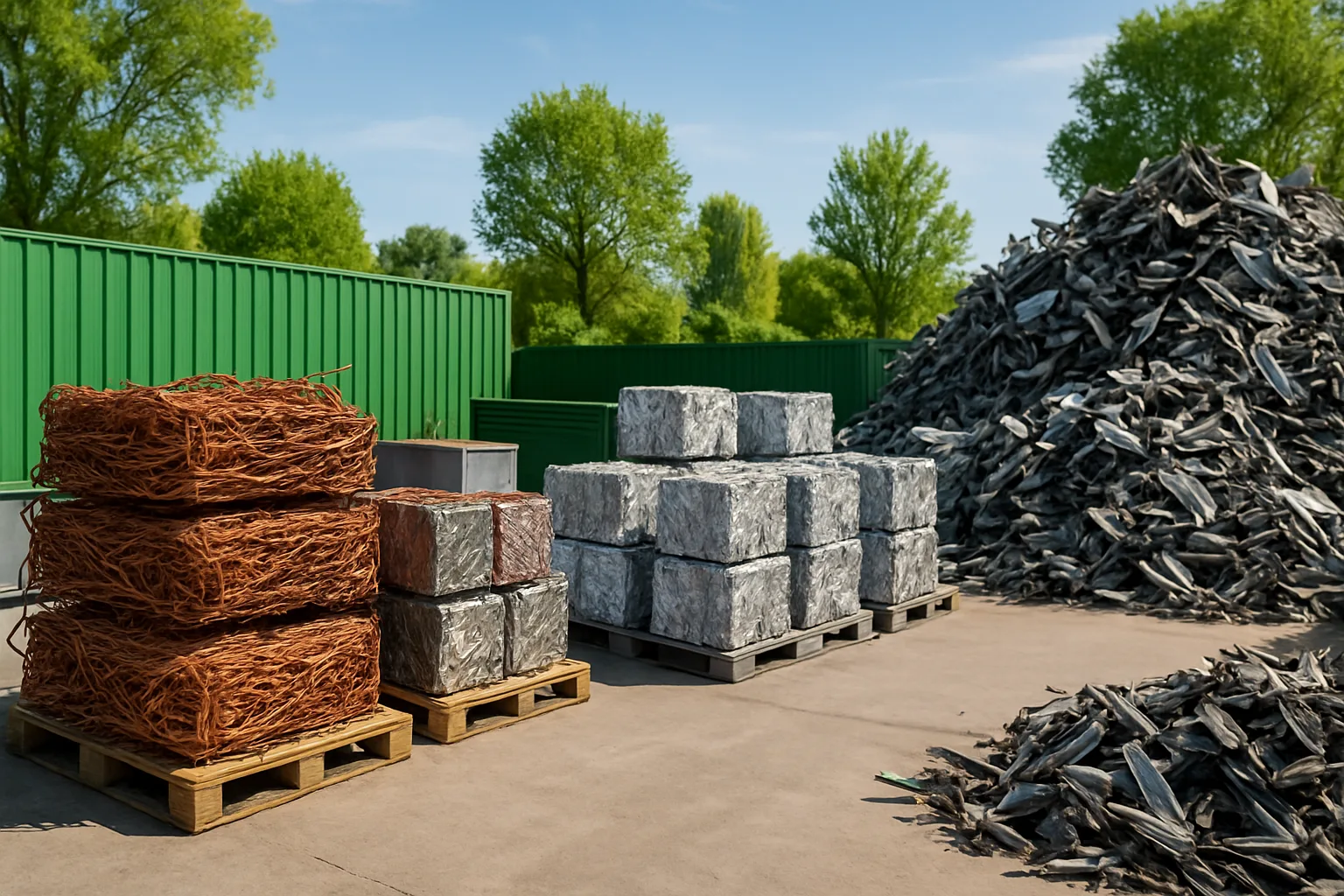
The first mistake people make is throwing everything in the box together and figuring it out at the yard. Don't. Sorting before you load saves time at the scale, gets you better pricing on separated metals, and makes handling safer because you're not digging through a mixed pile of sharp edges.
Separate your metals into basic categories before anything goes in the truck:
- Ferrous metals — steel, iron, structural components. These are heavy and dense. They anchor the bottom of your load.
- Non-ferrous metals — copper, aluminum, brass, stainless. Higher value per pound, lighter in bulk. Keep these in containers or bags so they don't scatter.
- Catalytic converters and cores — these need to be documented separately. Serial numbers and photos matter.
- E-waste and mixed materials — check with your local scrap yard first. Some won't accept mixed loads without prior sorting.
Know your approximate weight before you load. A half-ton pickup has a payload rating — often around 900 to 1,400 lbs depending on the truck. Scrap metal is dense. A few pieces of thick plate steel or a couple of engine blocks can push you over your rated capacity fast. Overloading your vehicle isn't just an equipment problem — it's a liability issue on public roads.
---Loading Tips That Prevent Injuries and Protect Your Vehicle
Most loading accidents are preventable. The problem is people treat scrap like it's inert — just dead weight. It's not. Sheet metal has edges. Pipe rolls. Rebar shifts. A single piece of angle iron that slides forward during hard braking can punch through your cab window.
Use these loading practices every time:
- Heavy pieces go on the bottom, centered low. Keep your center of gravity as low and central as possible. Don't stack dense material on top of lighter material — it shifts and collapses.
- Cap sharp edges. Exposed rebar ends, cut pipe, and sheet metal corners should be capped with rubber, wood blocks, or wrapped in burlap before transport. This protects you, other drivers, and the yard workers who unload you.
- Never load above the cab height without a proper rack system. If a load can fall forward onto the cab, it's too high.
- Use a tarp or cargo net over any load that includes loose material. Anything that could fly off at highway speed is a projectile. In British Columbia, unsecured loads on a truck bed are an offense under the Motor Vehicle Act. Fines are real.
- Use straps or chains rated for the weight you're hauling. Bungee cords are not tie-downs. Use ratchet straps with proper weight ratings, and anchor them to rated tie-down points in your truck bed — not the tailgate lip.
- Check your tires and suspension before you head out. A load that's within your payload capacity on paper can still stress a worn suspension or underinflated tires. If your truck is squatting noticeably at the rear, reduce the load or get a trailer.
If you're using a trailer, check the hitch coupler, safety chains, and trailer brake connection before every trip. A trailer that uncouples on a highway isn't just your problem — it's a criminal negligence issue.
---Securing Your Load for the Road — What Local Scrap Metal Haulers Know
Experienced haulers who run loads to a local scrap yard in Kelowna or any other British Columbia city treat tie-down as a non-negotiable step. It adds five minutes to your prep. It can save your vehicle, someone else's life, and your insurance record.
Here's what the pros do consistently:
- Two straps minimum for any load over 200 lbs. One front, one rear. Longer loads need a strap per 10 feet of length.
- Cross-strap loose material. If you're hauling a mixed pile of non-ferrous, cross your straps diagonally to prevent lateral shift.
- Tarp everything. Even if it's a short trip. Gravel trucks tarp their loads — so should you. Debris from an unsecured scrap load can cause serious damage to other vehicles.
- Do a visual check at the halfway point on any load over 30 minutes of driving. Straps loosen as loads settle. Tighten them.
If your load includes non-ferrous metals — copper wire, aluminum sheet, brass fittings — keep them in sealed containers or locked toolboxes during transport where practical. Opportunistic theft of high-value scrap from open truck beds happens, especially in urban areas and at fuel stops.
Platforms like compare scrap metal bids from Canadian buyers use documented inventory — photos, weights, serial numbers — to create competitive auction listings. Starting that documentation at home, before your load moves, means you're already ahead when you arrive at the yard.
---What to Bring to the Scrap Metal Yard — Documentation and ID Requirements
Scrap yards in Canada operate under provincial regulations that require identity verification for most metal sales. In British Columbia, yards are legally required to record the seller's information for regulated materials. Showing up without ID slows the transaction and can result in refusal for certain material types.
Bring the following every time you haul to a yard:
- Government-issued photo ID. Driver's licence is fine. Required for most metal categories in British Columbia.
- Vehicle registration — especially if you're selling automotive parts or scrapping a vehicle.
- Proof of ownership for any catalytic converters, cores, or high-value non-ferrous material. Photos and serial numbers help establish provenance.
- Bill of lading or packing list if you're a business hauling a commercial load. Yards that work with businesses expect documentation — it speeds up the transaction and helps you get accurate pricing.
If you're looking to find a scrap yard near you in Canada that's already familiar with what documentation they need, start with a quick call before your first trip. Most yards will tell you exactly what to bring for your specific material type.
Businesses hauling regular loads to Kelowna scrap metal services should get set up with an account at the yard so documentation flows faster on repeat trips.
---Understanding Scrap Metal Prices Today Before You Haul
Here's a hard truth: showing up to one yard with one load and accepting whatever price they quote you is the old way of doing this. You have no baseline. You have no comparison. You're guessing.
Scrap metal prices today fluctuate based on commodity markets, regional demand, and what buyers are actively bidding on. Prices for copper, aluminum, and steel shift week to week — sometimes day to day. A rate that was strong last month may look different today. Whether you're checking scrap metal prices today in Kelowna, or comparing what's moving in markets further east, understanding the landscape before you haul helps you time your trip and choose the right buyer.
SMASH exists precisely for this problem. Instead of calling one yard and guessing whether their quote is fair, SMASH puts your documented load in front of vetted buyers who compete against each other. More buyers means better price discovery. Competition can help reveal the market. You don't need to know the daily commodity price — you need to know what buyers are actually willing to pay for your specific load, right now.
To locate the closest Canadian scrap yard or start comparing bids for your load, you don't need a subscription. SMASH charges no upfront fees — they only win when you win.
Disclaimer: Scrap metal prices fluctuate based on commodity markets and regional demand. Always verify current rates directly with your buyer or through a live bidding platform before hauling. The prices you receive will depend on material type, condition, volume, and market conditions at the time of sale.
---Before You Drive Off — A Final Safety Checklist
Before every scrap run, run through this list. It takes two minutes and it's worth it every time.
- ☐ Metals sorted by type and placed in the correct containers
- ☐ Heavy material loaded low and centered
- ☐ Sharp edges capped or wrapped
- ☐ Load height within safe limits for your vehicle
- ☐ Ratchet straps tightened and anchored to rated points
- ☐ Tarp or cargo net secured over the load
- ☐ Trailer hitch, chains, and brakes checked (if applicable)
- ☐ Tires inflated and suspension visually clear
- ☐ ID and documentation in hand
- ☐ Called the yard ahead or confirmed they accept your material type
If you check every box, your trip to the scrap metal yard should be straightforward. If something on that list is a no, deal with it before you leave the driveway — not halfway down the highway.
Want to prepare smarter for future loads? Read Canadian scrap yard guides that cover everything from pricing to documentation to what yards are looking for in your region.
When you're ready to sell and want real competition on your load, reach out to SMASH directly at jeff@smashscrap.com. No subscription. No guessing. Just buyers who want your material.
Find a trusted scrap yard near you in Canada — whenever you're ready to haul, scrap-yard-near-me.ca is the place to start.
---Frequently Asked Questions
Q: Do I need ID to sell scrap metal at a yard in Kelowna?
Yes. British Columbia regulations require scrap yards to record seller identification for most regulated metals. Bring a government-issued photo ID — your driver's licence works — and vehicle registration if you're selling automotive components. Some materials, like catalytic converters, require proof of ownership as well.
Q: How much scrap metal can I fit in a half-ton pickup?
Most half-ton pickups have a payload rating between 900 and 1,400 lbs. Scrap metal is dense, so you can hit that limit quickly with a relatively small volume of steel or cast iron. Know your truck's rated capacity, load conservatively, and use a trailer if your haul exceeds the limit.
Q: Do I need to sort my scrap before going to a local scrap yard in Kelowna?
Most yards prefer pre-sorted loads and will pay more for clean, separated material. Mixed loads get processed at a lower blended rate. Sorting ferrous from non-ferrous — and keeping copper, aluminum, and brass separate — takes time at home but earns you better pricing at the scale.
Q: Is it legal to haul scrap metal in an open truck bed in British Columbia?
Yes, but the load must be secured and covered to prevent material from falling or flying off. British Columbia's Motor Vehicle Act requires unsecured loads to be properly tarped or netted. Violations can result in fines. Use rated ratchet straps and a tarp or cargo net for every trip.
Q: How do I know if I'm getting a fair price at my scrap metal yard?
The only way to know is to have more than one offer. SMASH puts your documented load in front of multiple vetted buyers who compete for it — that's how you find out what your material is actually worth on the open market today. No subscription fee, no obligation until a deal is made.
---Follow SMASH on LinkedIn for scrap metal market insights, industry updates, and tips for getting more out of every load: linkedin.com/company/scrap-metal-auction-sales-hub