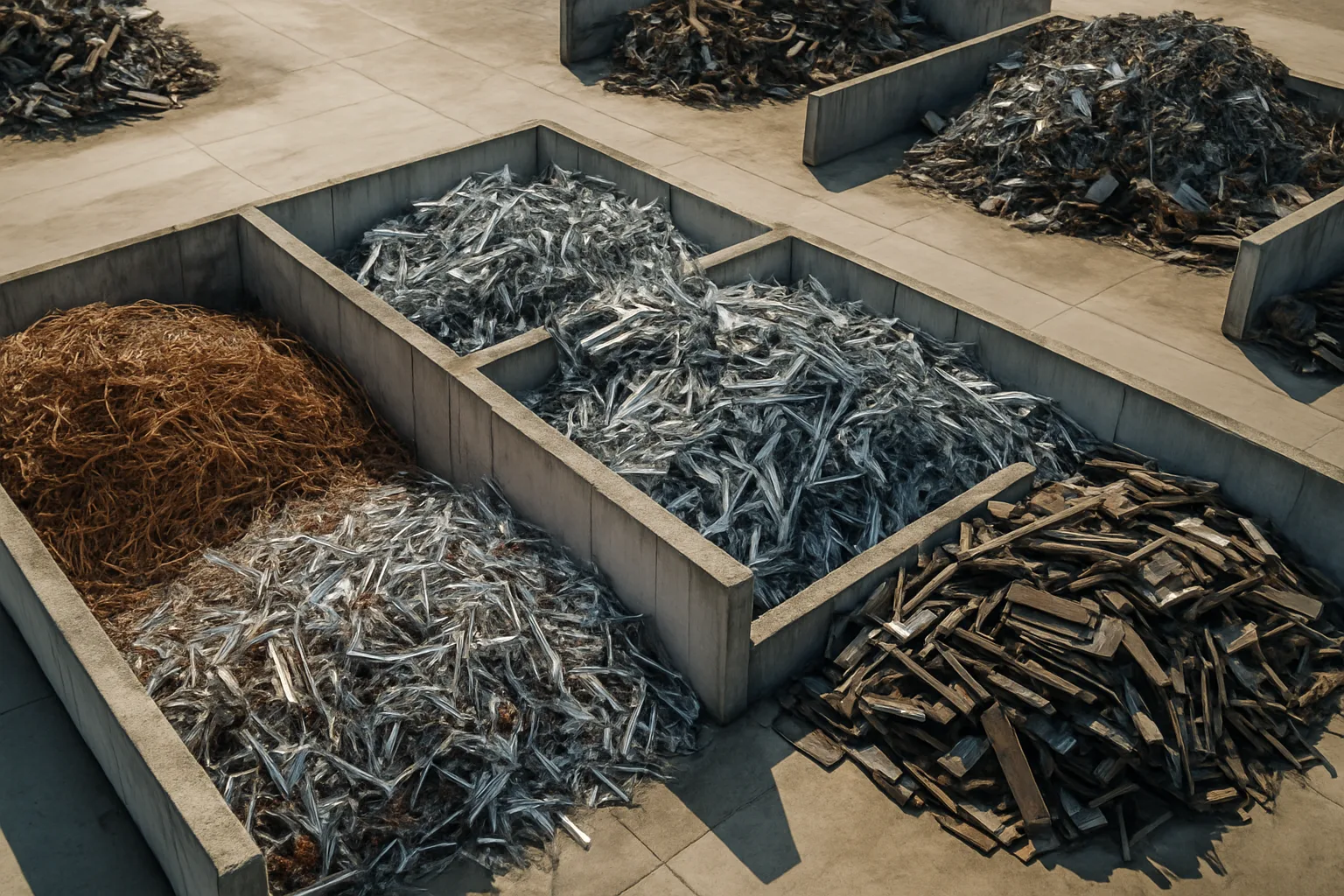
Most people Google "metal recycling near me Kitchener" and click the first result they find. That's a mistake. Not every scrap yard operates the same way, and the difference between a good yard and a bad one can cost you real money — or real time — on every load you bring in.
Whether you're clearing out a garage full of copper wire, scrapping a dead vehicle, or selling a batch of catalytic converters, finding the right buyer matters. This guide breaks down exactly what to look for so you walk away confident — not second-guessing yourself in the parking lot.
---Why Your Choice of Scrap Yard Actually Matters
Here's something yards don't advertise: pricing is not standardized. Two yards in the same city can quote you wildly different numbers for the same material on the same day. One might weigh your load on a scale that hasn't been calibrated in years. Another might classify your copper as a lower grade without explaining why.
That gap in price and process is exactly why doing a bit of homework upfront pays off. A reputable yard posts its current buy prices, explains its grading, and treats your time like it's worth something. A bad yard does the opposite — vague pricing, no paperwork, and a shrug when you ask questions.
In a market like Kitchener, you have options. Use them.
---What to Look For When Choosing a Scrap Metal Buyer Near Me in Kitchener
Not all the markers of a good scrap yard are obvious. Here's a practical checklist to run through before you commit to a yard — whether you're a first-timer or a regular seller looking to switch.
1. Transparent, Current Pricing
A trustworthy scrap metal buyer near me Kitchener will either post their prices publicly or give you a clear quote before you pull in. If a yard won't tell you what they're paying until your material is already on their scale, that's a red flag. Prices in scrap fluctuate daily based on commodity markets, but any yard worth dealing with should be able to give you today's rates upfront.
2. Licensed and Regulated
In Ontario, scrap dealers are subject to provincial regulations around documentation, ID requirements, and record-keeping — especially for high-theft materials like catalytic converters and copper. A compliant yard asks for ID, issues receipts, and keeps proper records. If a yard skips this step, they're not protecting you or themselves. Walk away.
3. Proper Scales and Weighing Practices
Certified trade scales are non-negotiable. Ask whether the yard's scales are provincially certified. You should be able to watch the weigh-in and receive a printed ticket. Any yard that eyeballs a load or rushes you through the weighing process without documentation is not somewhere you want to do repeat business.
4. Accepts Your Material
Not every yard takes everything. Some focus on ferrous metals (steel, iron). Others specialize in non-ferrous (aluminum, copper, brass). Auto salvage yards handle vehicles and parts. Before you load up a truck, call ahead and confirm they accept what you're bringing — whether that's a pallet of aluminum extrusion, a pile of mixed cores, or a car that's been sitting in your driveway since last winter.
5. Clear Hours and Availability
If you're searching for a scrap yard open today open now, hours matter. Many yards close early on Saturdays and stay closed Sundays. Others close without warning on holidays. Check Google Maps hours, but also call — hours on file aren't always updated in real time. A yard that's easy to reach and communicates clearly about hours is one that respects your time.
---Selling Catalytic Converters — Know Before You Go
Catalytic converters are one of the most valuable materials in the scrap stream — and one of the most regulated. In Ontario and across Canada, yards buying cats are required to follow strict documentation rules due to high theft rates. You'll need proof of ownership (vehicle title, bill of sale, or registration) to sell cats legally. No reputable yard bypasses this step.
If you're looking to sell catalytic converters online, platforms like SMASH have built documentation and serial tracking directly into the process. You photograph your converters, enter the serial numbers, and list them for competitive bidding from vetted buyers — all without cold-calling around to find someone who'll make you a fair offer. More buyers bidding on the same load means better price discovery. That's not a marketing line; it's how competitive markets work.
For sellers moving volume — multiple cats per week or per month — the difference between one buyer and five competing buyers adds up fast. You can find the best price for your scrap in Canada by creating real competition instead of accepting the first number someone throws at you.
---How SMASH Changes the Game for Metal Recycling in Ontario
The traditional model goes like this: you call your guy, he gives you a number, you take it or leave it. There's no way to know if that number reflects the actual market. You're guessing, and so is he — or he's not guessing at all, because he already knows what he can resell your material for and he's not sharing that information with you.
SMASH flips that model. Instead of one buyer and one price, you get multiple vetted buyers competing for your load through an auction format. Inventory goes in with photos, weights, VIN lookups where applicable, and serial tracking for regulated materials like cats. Buyers see the documentation. Competition can help reveal what the market is actually willing to pay.
There's no subscription fee. SMASH only earns when you sell. That alignment matters — it means the platform has a reason to get you the best possible outcome, not just any outcome.
For yards and sellers across metal recycling Ontario markets — including Kitchener and the surrounding region — SMASH works as a complement to your local yard relationships, not a replacement. Use it for loads where competition makes the biggest difference: high-value non-ferrous, cat loads, and bulk material where a few cents per pound on a large weight swings the final payout significantly.
You can also read Canadian scrap yard guides to learn more about how different materials are priced, graded, and sold across the country.
---Practical Tips for Getting the Most from Your Local Scrap Yard Visit
Finding the right yard is step one. Getting the most out of your visit is step two. A few habits that experienced sellers use consistently:
- Sort before you go. Mixed loads get priced at the lowest common denominator. Separate your copper from your aluminum, your stainless from your steel. Takes extra time upfront, pays off at the scale.
- Clean your material where it makes sense. Copper with insulation attached is worth less than bare bright copper. Aluminum with heavy iron contamination will get downgraded. Clean material commands cleaner pricing.
- Bring documentation for regulated materials. Cats, converters, and high-value non-ferrous materials require proof of ownership in Ontario. Don't show up without it.
- Get a receipt every time. A dated, itemized receipt protects you and creates a paper trail. Legitimate yards provide this automatically. If they don't, ask.
- Compare at least two or three yards for new material types. If you're selling a material for the first time — say, a lot of electric motor cores — don't assume the first quote you get is market rate. Make a few calls. Or list it on SMASH and let buyers tell you what it's worth.
- Check hours before you load up. Especially if you're searching for a scrap yard open today on a Saturday afternoon — hours vary significantly by yard and season.
These habits aren't complicated. But they separate sellers who consistently walk away satisfied from those who feel like they left money on the table.
---Finding Trusted Scrap Yards Across Canada — From Kitchener to Coast to Coast
Whether you're in Kitchener, Ontario or somewhere else entirely, the fundamentals of finding a good scrap yard don't change. You want licensed, transparent, well-reviewed operations that treat their sellers like repeat business — because the best yards know your business is worth keeping.
Local directories and platforms built specifically for the recycling industry make this easier than it used to be. Instead of relying on word-of-mouth or outdated Yellow Pages listings, you can find a scrap yard near you in Canada using a resource built for exactly this purpose — vetted locations, accurate information, and filters that help you match your material to the right buyer.
If you're moving volume or dealing in high-value material, pairing your local yard relationships with a competitive platform like SMASH gives you the best of both worlds: trusted local access plus market-driven pricing on the loads where it counts most.
For Kitchener sellers specifically, explore Kitchener scrap metal services to find local options that match your material type and schedule. And if you want to cast a wider net, locate the closest Canadian scrap yard to you using the full directory — coverage spans Ontario and well beyond.
The days of guessing your price and hoping for the best are over. Good information, the right platform, and a bit of prep work before you pull in — that's how you stop leaving money at the gate.
---Frequently Asked Questions
Q: How do I find a reputable metal recycling yard near me in Kitchener?
Start with the scrap-yard-near-me.ca directory to find vetted locations in Kitchener and across Ontario. Look for yards that post pricing publicly, require ID for regulated materials, use certified scales, and issue itemized receipts. Reviews on Google Maps are also a useful signal — look for consistent comments about fair pricing and professional service.
Q: What materials do most scrap yards in Kitchener accept?
Most full-service yards accept ferrous metals (steel, cast iron), non-ferrous metals (copper, aluminum, brass, stainless steel), catalytic converters, electric motors, and sometimes whole vehicles. Specialty materials like e-scrap or hazardous items may require a different facility. Always call ahead to confirm before you load up and drive in.
Q: Can I sell catalytic converters at a local scrap yard in Kitchener?
Yes, but Ontario regulations require proof of ownership — typically a vehicle title, bill of sale, or registration. You'll also need to provide valid ID. Platforms like SMASH also offer online listing for catalytic converters with serial number tracking, which can connect you with multiple buyers and help you understand what your specific cats are worth in the current market.
Q: How do scrap metal prices work and how often do they change?
Scrap metal prices are tied to global commodity markets and can shift daily. What copper pays today may differ from what it pays tomorrow based on exchange rates, industrial demand, and supply conditions. Always ask for current day pricing when you arrive — don't rely on prices you were quoted even a few days earlier. Prices listed in any guide are for reference only and should not be taken as current market rates.
Q: Is there a scrap yard open now near me in Kitchener?
Hours vary by yard. Most yards in the Kitchener area operate Monday through Friday with reduced Saturday hours and are closed Sundays. Your best bet is to check the yard's Google listing for current hours and call ahead if you're unsure — especially on holidays or long weekends when posted hours may not reflect actual availability.
---When you're ready to move your scrap, don't settle for the first number you hear. Find a trusted scrap yard near you in Canada — check locations at scrap-yard-near-me.ca and take the guesswork out of where to sell.
Stay sharp on scrap market trends and industry updates — follow SMASH on LinkedIn for regular insights on pricing, regulations, and what's moving in the Canadian scrap market.