Your First Visit to an Auto Recycling Yard: What Actually Happens (And How to Make the Most of It)
Most people show up to a scrap yard with a trunk full of metal and zero idea what happens next. That uncertainty costs them — in time, in money, and sometimes in missed opportunities. If you're headed to an auto recycling yard in Chilliwack or anywhere across British Columbia for the first time, here's the honest, unfiltered version of what to expect.
This isn't a glossy brochure. It's the practical breakdown you actually need before you pull through the gate.
What You'll See When You Pull In (And What to Do First)
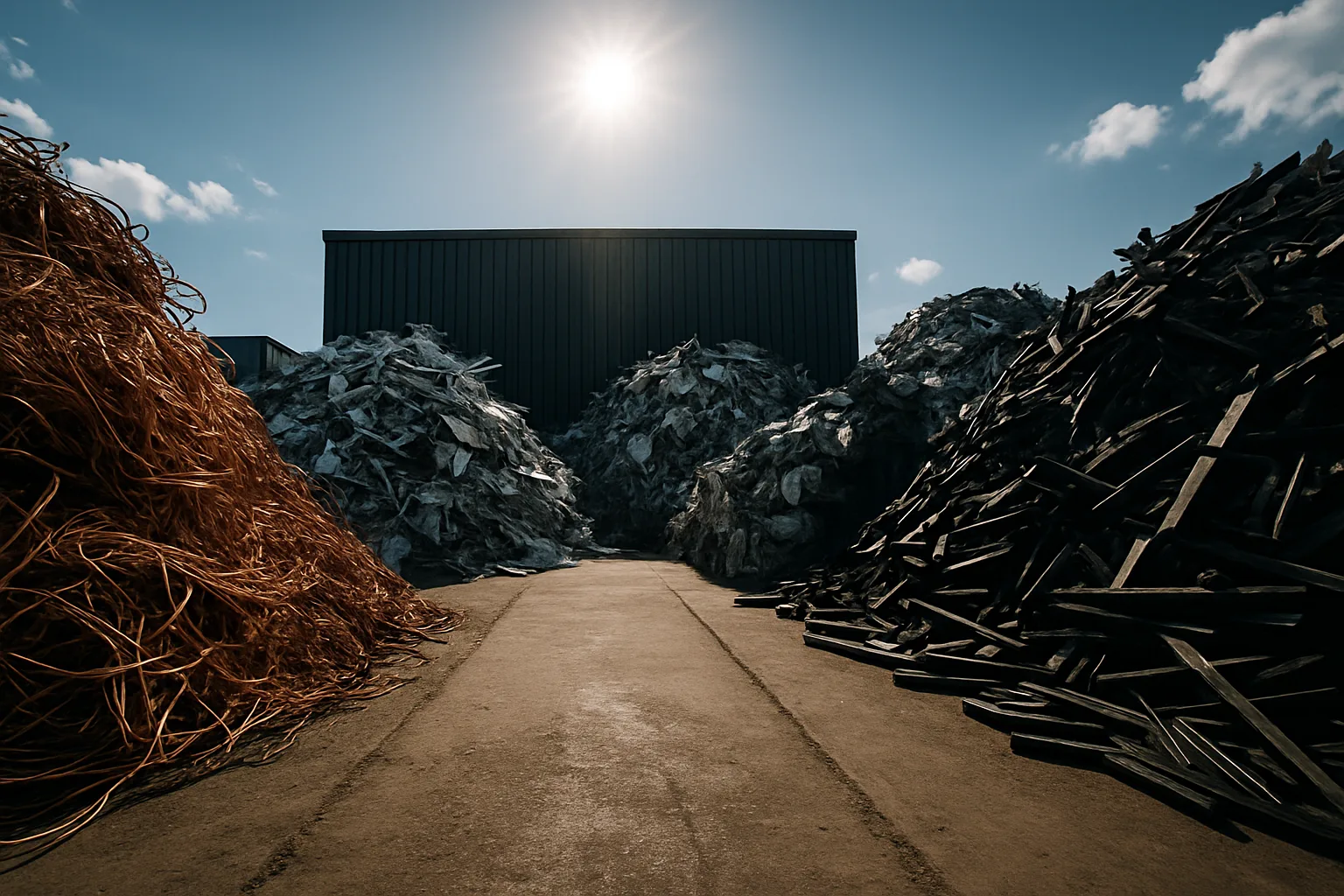
Scrap yards are working facilities. They're not retail stores. Expect equipment moving, stacked vehicles, sorted metal piles, and staff who are busy. When you arrive, look for a scale house or an office near the entrance — that's your first stop. Don't wander into the yard on your own.
You'll need to check in, show valid government-issued ID, and tell them what you've brought. Most yards in British Columbia require ID by law for every transaction — this is standard anti-theft practice across the province, and it applies whether you're dropping off a single catalytic converter or a full load of mixed metal.
- Bring your ID. Driver's licence or passport. No exceptions.
- Have your vehicle ownership documents if you're selling a car, truck, or van.
- Know what you're selling. "Misc metal" gets you a lower price than walking in and saying "I have 180 lbs of #1 copper wire and two cats."
- Call ahead if you can. Some yards have separate intake areas for vehicles, non-ferrous, and ferrous scrap. Knowing where to go saves you time.
If you're visiting a scrap yard near you in Chilliwack on a weekend, check whether it's open. Hours vary significantly — some yards are closed on Sundays entirely, and others run reduced weekend hours. Searching for a scrap yard near me open Sunday before you drive out is worth the 30 seconds.
How the Pricing and Weighing Process Works at a Scrap Yard
This is where most first-timers get confused. Scrap yards don't price things by the piece — they price by weight and metal type. Your load goes on a certified scale, gets weighed, and gets paid out at the current rate per pound or kilogram for each material category.
The rates you'll see posted at the yard are that day's rates. They move with global commodity markets — copper prices in London affect what you get paid in Chilliwack or anywhere else in British Columbia. Don't assume the price you looked up last week is still accurate.
Common metal categories you'll encounter:
- Ferrous metals — steel, cast iron. Lower value per pound, high volume.
- Non-ferrous metals — copper, aluminum, brass, stainless. Higher value per pound.
- Catalytic converters — priced separately based on make, model, and precious metal content. This is a specialized category. If you want to sell catalytic converters online, platforms like smashrecycling.ca can connect you with vetted buyers who compete for your load — which matters because cat values vary wildly.
- Vehicles (end-of-life) — priced based on weight, current scrap steel values, and whether the yard strips it for parts first.
- Auto parts — if you're visiting a junkyard near me for auto parts, these are typically priced individually, not by weight.
Ask the yard to break out your load by category before they weigh it together. Mixing copper wire in with steel scrap will cost you — the whole load may get graded down. Separation is simple and pays off.
The Reality of Selling Catalytic Converters at a Local Yard — And a Better Option
Cats deserve their own section. Catalytic converters are the single most valuable individual component in a vehicle for scrap purposes, and they're also the most commonly under-priced at the walk-in counter. A local yard may offer you a flat rate per unit. That flat rate doesn't account for the actual precious metal content inside — platinum, palladium, and rhodium — which fluctuates daily and varies significantly by vehicle make and model.
A Toyota Prius converter is not worth the same as a converter from a 2012 Ford F-150. If your yard doesn't differentiate, you're leaving real money on the table.
This is exactly where SMASH fills the gap. Rather than accepting whatever a single buyer offers, you can list your cats through SMASH and let vetted buyers compete. More buyers bidding on your load means better price discovery. It's not magic — it's competition doing what competition is supposed to do. If you're working with volume, or even a handful of high-value units, it's worth understanding what that market actually looks like before you accept the first number offered at a walk-in counter.
You can read Canadian scrap yard guides on this site to learn more about getting accurate value for catalytic converters and other specialty metals.
What to Bring, What to Leave Home, and How to Prepare Your Load
Preparation changes your payout. Yards deal with hundreds of loads — the ones that come in sorted, documented, and clean get processed faster and sometimes get better rates. Here's how to show up ready:
What to bring:
- Government-issued photo ID (required for all transactions in British Columbia)
- Vehicle registration and title if scrapping a full vehicle
- Bill of sale if you bought the scrap from someone else
- Photos of your load if you took them — some buyers and platforms use photo documentation to pre-quote loads before you haul them in
How to prep your load:
- Sort metals by type — don't mix copper with aluminum, or ferrous with non-ferrous.
- Remove plastic housing, insulation, and attachments where you can. Clean copper wire pays significantly more than insulated wire.
- If you have catalytic converters, keep them separate and know the vehicle they came from. VIN information can affect pricing on platforms that use VIN lookup tools.
- Take photos before you leave home. This gives you a record and helps if you're quoting loads to buyers remotely.
What not to bring:
- Household hazardous waste — batteries, fluorescent tubes, or propane tanks require separate drop-off
- Sealed containers you haven't checked — yards won't accept unknown contents
- Stolen material — yards are required to report suspicious loads, and legal consequences are serious
Finding the Right Auto Recycling Yard in Chilliwack and the Fraser Valley
Not every yard handles every material type. Some specialize in end-of-life vehicles. Others focus on industrial scrap. A few run as pull-a-part operations where you bring your own tools and remove parts yourself. The best scrap yard in Chilliwack for your situation depends on what you're bringing in.
If you're scrapping a full vehicle, look for a yard that handles the deregistration paperwork with ICBC — that removes your liability from the plate. In British Columbia, you're responsible for the vehicle until it's formally deregistered. Don't assume the yard handles that automatically. Ask.
If you're hunting for used auto parts, a junkyard near me for auto parts — sometimes called a u-pull or self-serve yard — gives you access to a lot of vehicles at low cost. You pull the parts yourself, which takes time but saves money compared to buying refurbished parts at a shop.
The best starting point for metal recycling in British Columbia is knowing who's operating in your area and what they accept. You can find a scrap yard near you in Canada using our directory — it's built specifically to help Canadians locate facilities that match what they're selling.
After Your First Visit: Building a Relationship That Pays Off
One visit teaches you the process. Regular visits build leverage. Yards pay better rates to customers who bring consistent volume. If you're a contractor, a mechanic, or a small business generating scrap regularly, you're not just a one-time walk-in — you're a client. Treat it like a business relationship, because it is one.
Track your loads. Document weights, metal types, and prices received. Over time, that data tells you whether you're getting fair market value or whether it's worth shopping your loads to other buyers. SMASH exists precisely for that reason — it gives sellers visibility into what the actual market is willing to pay, not just what one buyer is willing to offer on that Tuesday morning.
If you generate significant volume — whether that's a yard full of end-of-life vehicles, a recurring stream of catalytic converters, or regular non-ferrous loads — you deserve to know what a competitive market looks like. You can locate the closest Canadian scrap yard to start, and then explore auction-based selling options as your volume grows.
Ready to move forward? Find a trusted scrap yard near you in Canada — check locations at scrap-yard-near-me.ca and take the guesswork out of your first visit.
Frequently Asked Questions
Q: What do I need to bring to an auto recycling yard in Chilliwack for the first time?
Bring a valid government-issued photo ID — this is legally required for scrap transactions across British Columbia. If you're selling a vehicle, bring the registration and title. If your load includes catalytic converters, note the vehicle make, model, and year they came from — that information affects pricing.
Q: Is the best scrap yard in Chilliwack open on Sundays?
Hours vary by facility. Some yards in the Chilliwack area operate on reduced weekend hours, and Sunday availability is not guaranteed. Always call ahead or check the yard's website before making the trip — especially if you're hauling a full load.
Q: Can I sell catalytic converters online instead of walking into a yard?
Yes. Platforms like SMASH allow you to list catalytic converters and let vetted buyers compete for your load — which can result in better price discovery than a single flat-rate offer at a walk-in counter. If you have multiple units or high-value converters, it's worth comparing both options before committing.
Q: What's the difference between a junkyard and a scrap yard?
A junkyard (or auto recycler) typically focuses on end-of-life vehicles and used auto parts — you can often pull parts yourself from vehicles on the lot. A scrap yard buys metal by weight across all categories — ferrous, non-ferrous, and specialty metals. Many facilities in British Columbia do both, but it's worth confirming before you arrive.
Q: How do scrap metal prices work in Canada?
Scrap metal prices are tied to global commodity markets and change daily. What copper or steel fetches in Chilliwack today may be different from what it was last week. Always check current rates directly with the yard or through a market-aware platform before hauling a large load. Disclaimer: Prices fluctuate — verify current rates before selling.
Stay sharp on market movements and industry news by following SMASH on LinkedIn: linkedin.com/company/scrap-metal-auction-sales-hub. It's where scrap professionals track pricing trends, platform updates, and real talk about the recycling market across North America.