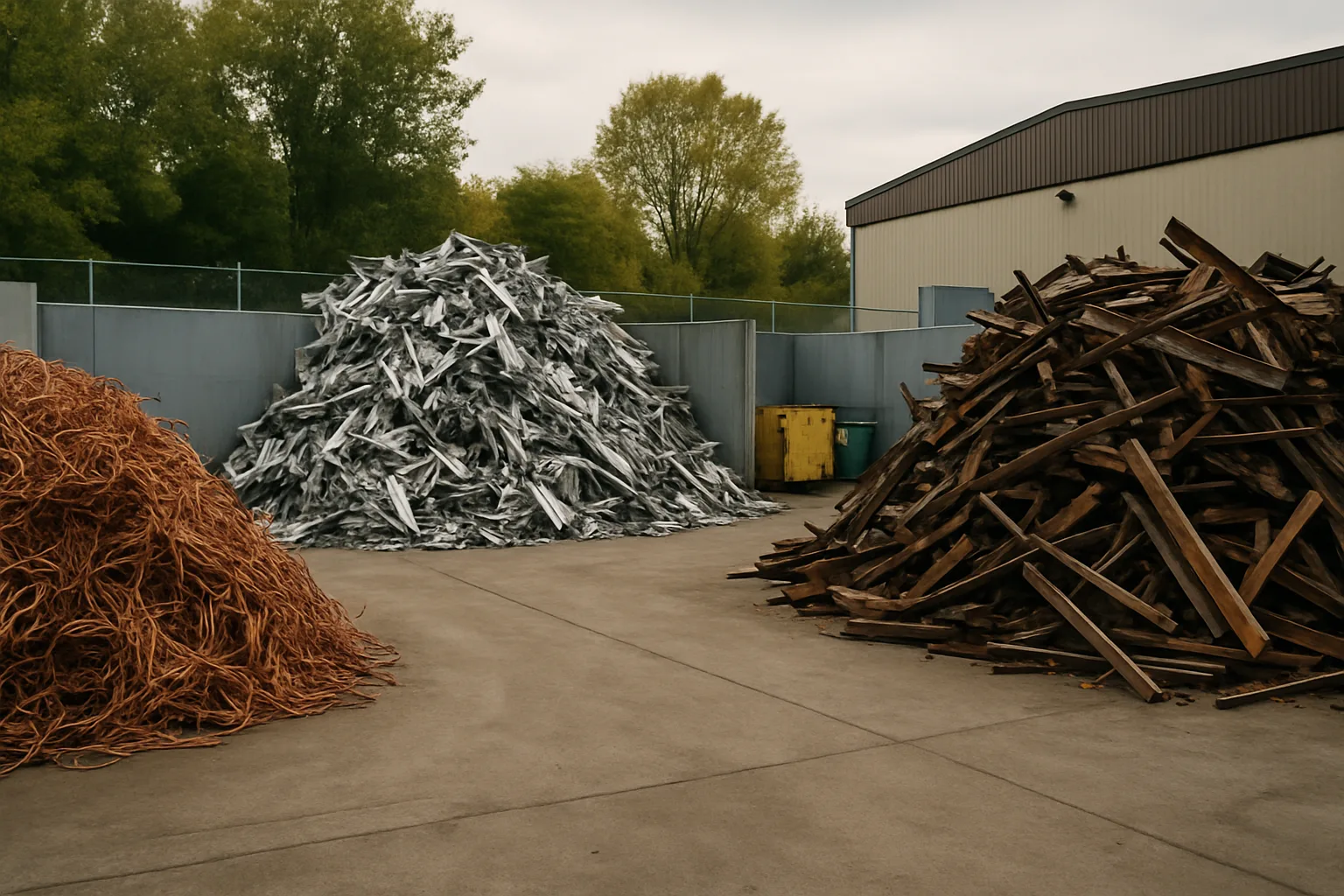
Most people don't think about scrap yards until they're standing in a driveway next to a dead Honda or a pile of copper stripped from a reno job. Then it hits: where do I actually take this? Not all scrap yards are equal. Prices vary. Service varies. Some yards are legitimate businesses that document everything and pay fairly. Others will lowball you without a second thought because they know you don't have a benchmark. If you're trying to find a local scrap yard in New Westminster — or anywhere in British Columbia — this guide cuts through the noise.
Here's what separates a scrap yard worth your time from one you should drive past.
---1. Licensed, Bonded, and Accountable — The Baseline for Any Scrap Yard Near You
Before you haul anything, confirm the yard is properly licensed to operate in British Columbia. This isn't bureaucratic box-checking. Licensed yards follow provincial regulations on metal purchasing, ID verification, and transaction records. That matters for you as a seller — it means there's a paper trail, accountability, and some protection if something goes sideways.
In B.C., scrap metal dealers are subject to regulations that require documentation of sellers and goods received. A legitimate yard will ask for your ID and record the transaction. If a yard doesn't ask for anything and just hands you cash with zero paperwork, that's not a feature — it's a red flag. You want a yard that takes compliance seriously, especially if you're selling higher-value materials like catalytic converters, copper wiring, or aluminum extrusions.
- Ask if they're licensed to buy scrap metal under B.C. regulations
- Expect to show ID — any reputable yard requires it
- Get a receipt — always, every time, no exceptions
- Check Google reviews — look for consistent complaints about short-weighting or bait-and-switch pricing
If you're in New Westminster and shopping around, word of mouth still carries weight. Local contractors, auto shops, and demo crews often have strong opinions about which yards play fair. Ask around before you load the truck.
---2. How Scrap Yards Price Metal — And Why Transparency Matters
Here's the reality: walk into a yard with no idea what your material is worth, and the price you get reflects that. Scrap yards set their own buy prices, and those prices can vary significantly from yard to yard on the same day for the same material. Some yards post their prices publicly. Others make you ask. The ones that make you ask usually aren't winning on price.
Before you find a scrap yard in New Westminster or anywhere in British Columbia, do the homework. Know what you have. Know the rough commodity category — is it #1 copper, #2 copper, bare bright? Is it cast aluminum or sheet? Is your cat a high-grade foreign or a domestic unit? The more you know going in, the harder it is to lowball you.
This is exactly where platforms like SMASH Recycling change the dynamic entirely. Instead of walking into one yard and taking whatever number they give you, SMASH puts your load in front of vetted buyers who compete for it. Competition reveals the market. One buyer giving you a number is a guess — or a margin grab. Multiple buyers bidding is actual price discovery.
- Ferrous metals (steel, iron): typically priced per gross ton — weigh your load before you go
- Non-ferrous metals (copper, aluminum, brass, stainless): priced per pound or kilogram, graded by purity and form
- Catalytic converters: priced by assay — precious metal content varies enormously by make, model, and condition
- Whole vehicles: typically bought by the ton unless parted out
Disclaimer: Scrap metal prices fluctuate with global commodity markets. Always check current rates before selling. The numbers above are structural guides, not current price quotes.
---3. What to Look for in a Local Scrap Yard — The Practical Checklist
Not every yard handles every material. This is one of the most common mistakes first-time sellers make — showing up with a specific load and finding out the yard doesn't buy it, or doesn't have the equipment to process it properly. Before you commit, run through this checklist.
Does the yard accept what you're selling?
Some yards are ferrous-only. Some focus on auto salvage. Others specialize in non-ferrous. If you're selling a mix — say, a demo haul with copper pipe, steel framing, and some aluminum flashing — you want a yard that handles all of it or you'll be making multiple trips. Call ahead. A quick phone call saves a wasted afternoon.
Do they have certified scales?
Certified scales mean the weight is accurate and verifiable. This matters a lot when you're selling by the pound or ton. Ask if the scales are certified — reputable yards will tell you without hesitation. In British Columbia, weights and measures compliance is regulated, and any legitimate buyer stands behind their scale readings.
What's their payment process?
Same-day payment is standard for most walk-in loads. Larger loads — especially if you're selling through a more formal process or on a platform — may involve invoicing and payment terms. Know what you're getting into before you drop the material.
Do they handle the paperwork?
BOLs, packing lists, transaction records — these aren't just bureaucracy. If you're a business selling scrap regularly, proper documentation protects you at tax time and keeps your records clean. A yard or platform that auto-generates this paperwork saves you hours.
- Certified scales ✓
- ID and transaction records required ✓
- Posted or disclosed pricing ✓
- Accepts your specific material ✓
- Same-day or clear payment terms ✓
- Proper receipts and documentation ✓
4. Selling Catalytic Converters — Why You Can't Just Walk Into Any Yard
Catalytic converters are in a category of their own. The precious metal content — platinum, palladium, rhodium — makes them high-value and heavily regulated. In British Columbia and across Canada, selling cats requires ID verification and proper documentation. Any yard buying cats without paperwork is operating outside the rules, and that's not a place you want your name attached to.
Pricing on catalytic converters is based on assay — what's actually inside the unit. That varies dramatically by vehicle make, model, year, and whether the unit is intact or cracked. A domestic cat from a mid-size sedan is a different number than a foreign cat from a diesel truck. If you're selling a volume of cats, the difference between one buyer's offer and what competitive bidding reveals can be substantial.
The ability to sell catalytic converters online through a platform like SMASH matters here. With photo documentation, serial tracking, and VIN lookup built into the process, you're not just getting a number — you're getting a documented, transparent transaction with vetted buyers. That protects you and gives buyers the confidence to bid competitively. More confidence from buyers means better price discovery for you.
Whether you're a yard selling accumulated cats or an individual with a handful of units, documentation is non-negotiable. Do it right or don't do it.
---5. Auto Salvage Yards vs. General Scrap Yards — Know the Difference Before You Go
If you're looking for auto salvage yards near you, know that these operate differently from general scrap yards. Auto salvage (also called auto wreckers or dismantlers) focuses on vehicles — buying end-of-life cars, stripping usable parts, and scrapping the remainder. General scrap yards buy mixed metals, demo material, and industrial scrap, but may not offer top dollar for a whole vehicle or have the equipment to process one efficiently.
If your vehicle still has sellable parts — a late-model engine, a usable transmission, doors in good condition — an auto salvage yard may give you more than a straight scrap price. They're buying the parts value, not just the weight. If the car is genuinely done — flood damage, fire, stripped already — a general yard may be faster and just as fair.
In New Westminster and the surrounding Lower Mainland, there are options for both. The key is matching your material to the right buyer. Use a tool like find a scrap yard near you in Canada to compare what's in your area and what each yard specializes in.
For businesses selling mixed loads — auto cores, non-ferrous, and ferrous together — SMASH handles the complexity. The platform's inventory tool lets you document and list what you have clearly, so buyers know exactly what they're bidding on. No ambiguity. No surprises at the scale.
---6. Finding a Scrap Yard Open Today Near You — The Practical Side of Timing
Scrap yards keep business hours, and those hours matter when you've got a loaded trailer or a rented truck ticking by the hour. Most yards in British Columbia operate Monday through Friday, with limited Saturday hours. Very few are open Sundays. Don't assume — always check before you go.
If you're searching for a scrap yard open today near you, the fastest path is a direct call to confirm hours and whether they're accepting walk-ins for your material type. Some yards limit walk-in volumes or require appointments for large loads. A quick call saves you a wasted trip across the Lower Mainland.
Timing also affects pricing. Commodity prices move daily. A load you sell on a Tuesday might get a different number than the same load on a Friday, depending on what happened in the copper or steel market overnight. If you're selling a significant volume, it's worth watching the market for a few days before you commit.
Want to compare options in your area and see what's available right now? You can locate the closest Canadian scrap yard and check hours and specialties before you make the drive. And if you want to go further than a single local offer, read Canadian scrap yard guides to understand how to get the most from your material regardless of where you're located.
---Closing: Don't Settle for One Number When More Buyers Are Available
The old way of selling scrap — one call, one offer, take it or leave it — doesn't serve sellers. It serves the buyer. The best local scrap yard in New Westminster is the one that pays you fairly for what you have. But "fairly" requires a benchmark. Competition creates that benchmark.
Whether you're a homeowner with a pile of copper pipe, a contractor moving demo loads, or a yard operator with accumulated cats and cores — know your material, verify the buyer, and don't skip the documentation. If you want to go beyond a single local offer and put your load in front of vetted buyers who actually compete, that's what SMASH is built for. No subscription. No guessing. Just real price discovery from real buyers.
Find a trusted scrap yard near you in Canada — check locations and compare your options at scrap-yard-near-me.ca.
---Frequently Asked Questions
Q: How do I find a local scrap yard in New Westminster that accepts walk-ins?
Call ahead before you drive. Most yards in New Westminster and the Lower Mainland accept walk-in loads during business hours, but some require appointments for large volumes or specific materials. Confirm hours, material acceptance, and any ID requirements before you load your vehicle.
Q: What should I bring when selling scrap metal at a yard in British Columbia?
Always bring government-issued photo ID. B.C. regulations require scrap dealers to record seller information, especially for non-ferrous metals and catalytic converters. Bring a bill of lading or packing list if you're selling a business load — good documentation helps both sides and protects you at tax time.
Q: Can I sell catalytic converters at any scrap yard near me in New Westminster?
Not all yards buy cats, and those that do must follow specific documentation rules under B.C. regulations. You'll need to provide ID and the transaction will be recorded. For higher volumes or better price discovery, platforms like SMASH allow you to sell catalytic converters online to vetted buyers who compete for the load.
Q: How do scrap yards determine what they pay for my metal?
Yards set buy prices based on current commodity market rates, their own processing costs, and margin. Prices vary by yard and change daily with the market. The best way to benchmark a fair price is to get more than one offer — or use a competitive auction platform like SMASH where multiple buyers bid on your load.
Q: What's the difference between a scrap yard and an auto salvage yard near me?
Auto salvage yards (wreckers) specialize in end-of-life vehicles — buying cars for parts value first, scrap value second. General scrap yards buy metal by weight and category. If your vehicle has usable parts, an auto salvage yard may offer more. If the vehicle is beyond parts use, a general scrap yard or direct auction through SMASH may be the faster, fairer route.
---Follow SMASH on LinkedIn for scrap metal market updates, industry news, and practical tips for sellers and buyers across North America.