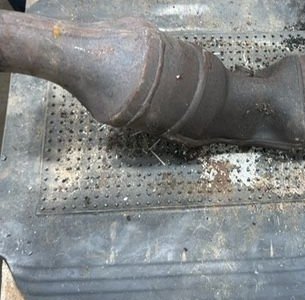
Catalytic converters are worth more than most people realize — and scrap yards know it. If you've ever wondered why your local recycler treats cats differently from a pile of sheet steel, the answer is sitting inside the converter itself: platinum, palladium, and rhodium. These are some of the most valuable metals on earth, and how Canadian scrap yards handle them in 2026 has changed significantly thanks to tighter regulations, better documentation requirements, and a growing push for price transparency.
If you're looking for metal recycling near me Quebec City, understanding how catalytic converters actually move through the recycling chain will help you get a fairer deal — and avoid getting burned by a buyer who lowballs you because you don't know what's inside the unit you're holding.
What's Actually Inside a Catalytic Converter (and Why It Matters)
The core of a catalytic converter contains a ceramic or metallic substrate coated with a precise mixture of platinum group metals (PGMs): platinum, palladium, and rhodium. These metals act as catalysts that neutralize harmful exhaust gases. The substrate itself is nearly worthless. The PGM loading on it is not.
Rhodium, palladium, and platinum values fluctuate constantly based on global demand, mining output, and industrial use — especially from the automotive sector. That's why scrap metal prices for cats don't work like copper or aluminum. You can't just look at a weight-per-pound rate. The value depends on:
- The specific vehicle make, model, and year
- The converter type (OEM vs. aftermarket)
- The PGM loading specific to that unit
- Current spot prices for platinum, palladium, and rhodium
- The processor your buyer uses and their assay method
Most full-service scrap yards in Quebec City don't refine catalytic converters on-site. They collect, sort, and ship them to a downstream processor — often a large-scale smelter or precious metals refinery. What you receive at the yard is a quote based on the buyer's current price list for that cat type, not a live assay result. That gap between quote and actual recovered value is where most of the margin lives.
How Quebec Scrap Yards Are Required to Document Catalytic Converter Purchases in 2026
Regulation around catalytic converter transactions in Quebec has tightened considerably. Theft of converters remains a serious problem across Canada — including in Quebec City — and provincial rules now require scrap metal buyers to collect detailed seller identification and documentation before completing any cat purchase.
As of 2026, most Quebec yards are required to:
- Verify and record the seller's government-issued photo ID
- Document the vehicle identification number (VIN) if the cat came from a vehicle on-site
- Record the quantity and type of converters being sold
- Retain transaction records for a minimum period as required by provincial or municipal regulations
- In many cases, delay or restrict cash payments for converter purchases above set thresholds
These rules exist to create a paper trail that discourages theft and helps law enforcement track stolen units. If you're a legitimate seller — a garage, a dismantler, an auto salvage yard — this documentation process should be familiar by now. If it's new to you, expect to present ID and vehicle paperwork. No reputable buyer skips this step in 2026.
Platforms like smashrecycling.ca are built with documentation in mind. Serial tracking, photo documentation, and VIN lookup are part of how SMASH handles converter inventory — giving buyers confidence and giving sellers a clear record of what they moved and when. That kind of transparency is exactly what the market needs right now.
Precious Metals Beyond Cats: What Else Scrap Yards Buy and Process
Catalytic converters get most of the attention, but they're not the only source of precious metals moving through metal recycling Quebec operations. If you're sourcing scrap for resale or cleaning out an industrial facility, you should know what else carries hidden value.
Common non-ferrous and precious metal sources that Quebec City scrap yards actively buy include:
- Electronic scrap (e-waste): Circuit boards, CPUs, memory chips, and connectors contain recoverable gold, silver, and palladium.
- Dental scrap: Old crowns, bridges, and dental alloys often contain gold, silver, and palladium — some specialized buyers pay premium rates.
- Industrial alloys: Thermocouples, medical equipment, and certain aerospace components can carry platinum or rhodium.
- Jewelry and silverware: More commonly handled by pawn shops or precious metal dealers, but some full-service yards will buy bullion-grade material.
- Electrical contacts and relays: Industrial surplus equipment often contains silver contacts worth recovering.
The key difference between these materials and standard scrap is that pricing is not straightforward. You're not selling by the pound at a posted rate. You're negotiating based on estimated or assayed PGM content. That's exactly why competition matters. One buyer's quote on a bag of mixed cats or a tote of e-scrap circuit boards can vary significantly from another buyer's quote for the same material. Getting multiple bids isn't just smart — it's the difference between leaving money on the table and knowing you got the market rate.
This is where tools like SMASH come into play. Rather than calling one buyer and accepting whatever they offer, you can sell scrap metal online through a platform that brings vetted buyers to your material — including specialty buyers who price cats and precious-metal-bearing scrap competitively. More buyers means better price discovery. That's not a slogan; it's how markets work.
How to Prepare Your Catalytic Converters Before You Sell
How you present your material affects what you get paid. Buyers discount for uncertainty. The more information you give them upfront, the more confident they can be in their bid — and the less they'll shave off for unknowns. If you want to find the best scrap metal buyer near me Quebec City, preparation is half the battle.
Before you bring cats to a yard or list them through an online platform, do the following:
- Identify what you have. Use VIN lookup tools or converter ID databases to match each unit to a vehicle. OEM converters from known makes and models have documented PGM loading ranges. Knowing what you have removes the buyer's excuse to lowball for "unknown" material.
- Photograph each unit. Take clear photos of both ends of the converter, the shield (if present), and any visible serial numbers or markings. This is good practice for your own records and meets documentation requirements most buyers now expect.
- Don't cut or damage the substrate. Broken or crushed converters reduce recoverable value. Some buyers will downgrade damaged units significantly.
- Keep OEM and aftermarket units separate. Aftermarket cats contain much less PGM material and are priced differently. Mixing them reduces your average return.
- Document where the material came from. VIN records, work orders, or purchase receipts from vehicles you dismantled are your paper trail. Have them ready.
If you're a Quebec City garage or dismantler moving volume, this documentation process pays off in two ways: faster transactions at the yard and stronger negotiating position when multiple buyers are competing for your load. You can also read Canadian scrap yard guides to sharpen your approach before your next sale.
Finding a Reputable Scrap Metal Buyer for Cats and Precious Metals Near Quebec City
Not every yard that buys scrap aluminum or steel is equipped to properly handle catalytic converters and precious metal scrap. For high-value material, you want a buyer who has downstream connections to reputable processors, transparent pricing references, and a documentation process that protects you as much as it protects them.
When evaluating a buyer for your cats or precious metal scrap, ask:
- What price list or reference database do they use to quote cats?
- Do they offer assay or lot settlement options for large volumes?
- What are their documentation requirements, and do they comply with current Quebec regulations?
- Can they provide references or proof of downstream processor relationships?
- Do they offer any form of competitive bidding, or is it take-it-or-leave-it pricing?
Quebec City has active scrap recycling infrastructure, but for specialty material like cats and PGM-bearing industrial scrap, your best buyer may not be the closest one. That's one reason it makes sense to look beyond your immediate geography when the material warrants it. Use resources like find a scrap yard near you in Canada to identify options across the region, and consider platforms that bring buyers to you rather than forcing you to cold-call yards and hope you landed on a good one.
If you're a yard operator in Quebec looking to move a load of cats through a competitive process, Quebec City scrap metal services connected through SMASH give you access to vetted buyers without subscription fees. No subscription. No guessing. Just competition on your material.
For individuals and businesses alike, the bottom line is the same: scrap metal prices today for cats and precious metals are dynamic, and you won't know if you got a fair price unless multiple buyers saw your material. The old way — one phone call, one offer, accept or walk — leaves too much on the table. When you're ready to sell, locate the closest Canadian scrap yard or use a platform like SMASH to put your material in front of buyers who compete for it.
Disclaimer: Precious metal and scrap metal prices fluctuate daily based on global commodity markets. Always check current rates before selling. No pricing information in this article should be treated as a live quote or guaranteed offer.
Frequently Asked Questions
Q: Why do scrap yards pay different amounts for catalytic converters?
Pricing depends on the specific converter type, vehicle make and model, the PGM loading of that unit, and current spot prices for platinum, palladium, and rhodium. These variables mean no two cats are priced the same way, and different buyers using different processor relationships may quote very different amounts for the same material.
Q: What ID do I need to sell catalytic converters at a scrap yard in Quebec City?
Quebec regulations require scrap buyers to record seller identification for converter transactions. Bring a valid government-issued photo ID. If the converters came from a vehicle, have your VIN documentation or proof of ownership ready. Requirements can vary by municipality, so call ahead to confirm what your specific yard needs.
Q: Can I sell catalytic converters online in Canada?
Yes. Platforms like SMASH allow you to list catalytic converters and other precious metal scrap for competitive bidding by vetted buyers across Canada. This can result in better price discovery than accepting a single yard's offer. Documentation requirements still apply — you'll need to provide ID and sourcing records regardless of how you sell.
Q: How do I find a reputable metal recycling buyer near me in Quebec City?
Start by identifying yards that specialize in non-ferrous and high-value scrap, not just ferrous loads. Ask about their downstream processor relationships and their pricing reference database for cats. You can also use scrap-yard-near-me.ca to find verified scrap yards near Quebec City and compare your options before committing to a sale.
Q: Are catalytic converter thefts still a problem in Quebec in 2026?
Yes. Converter theft remains an active issue across Canada, including in Quebec. This is why provincial and municipal regulations continue to require detailed transaction documentation from scrap buyers. Legitimate sellers should expect — and welcome — these requirements, as they also protect you from being associated with stolen material.
When you're ready to move your scrap, don't settle for one offer from one buyer. Find trusted yards and buyers across Canada at scrap-yard-near-me.ca — and if you're moving volume, let SMASH put competition to work for your loads.
Follow SMASH on LinkedIn for ongoing updates on scrap metal market conditions, regulation changes, and industry news that affects what your material is worth.