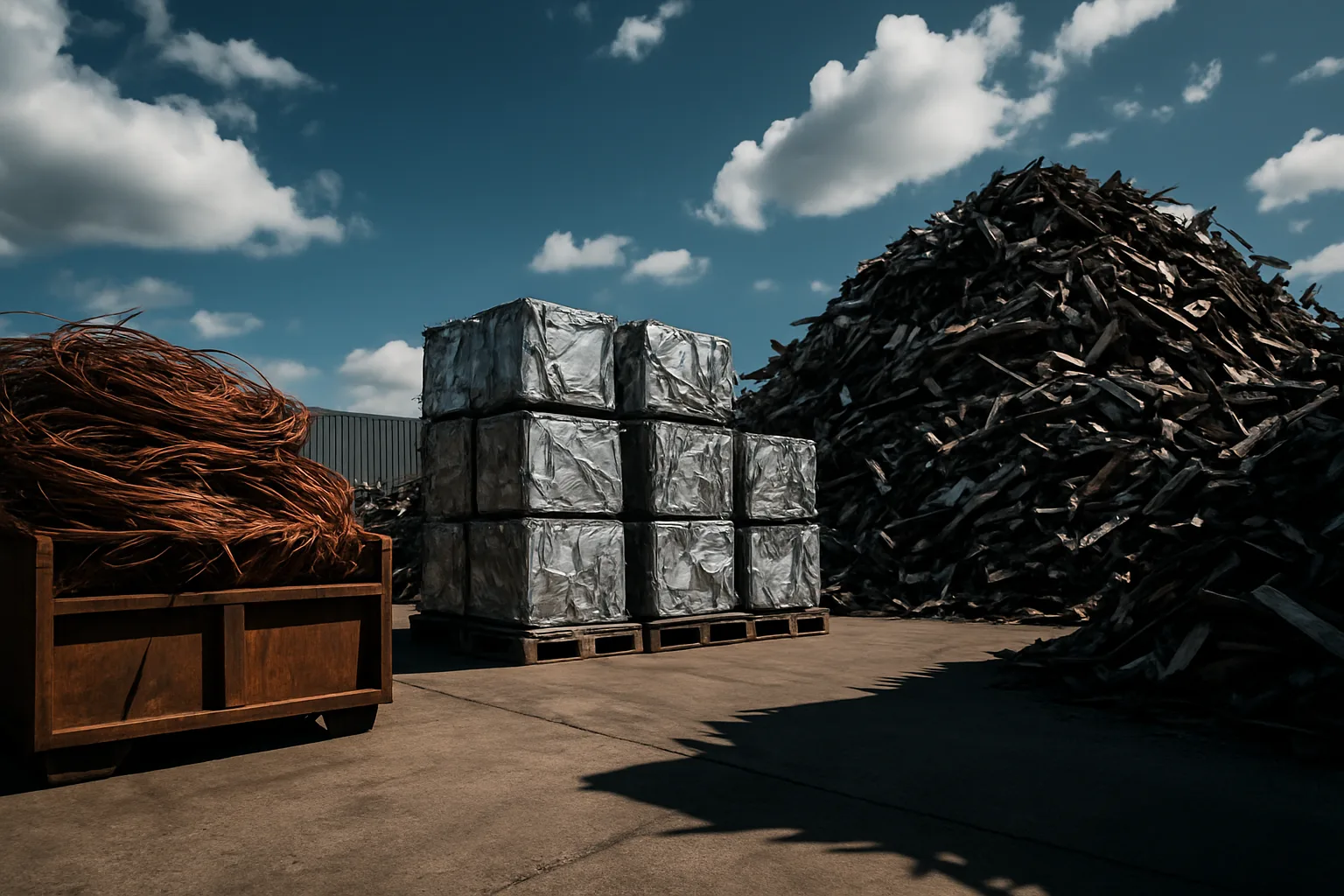
Why Your Scrap Yard Relationship Is Worth More Than the Metal
Most people treat their local scrap yard like a vending machine — show up, dump the load, take the cheque, leave. That's leaving serious money on the table. Yards that know you, trust you, and understand your inventory consistently offer better service, faster processing, and more accurate pricing than they give to strangers walking in off the street.
If you're searching for a scrap yard near me Moncton, you're probably already thinking about where to take your metal. But the smarter question is: how do you build a relationship that pays off over time? Whether you're clearing a shop, running a demolition business, or offloading catalytic converters and non-ferrous loads regularly, here's what actually works.
---Start With Consistency — Show Up With Clean, Sorted Loads
Nothing earns yard trust faster than a seller who sorts their material before arrival. Showing up with mixed loads — copper tangled with insulated wire, cast aluminum thrown in with sheet — forces the yard to do your work. It slows processing, introduces uncertainty about grades, and signals that you're not a serious seller.
Sort your metals before you arrive. Separate your ferrous from non-ferrous. Break out your copper grades — bare bright, #1, #2, insulated wire. Keep your aluminum clean and segregated by form: cast, extrusion, sheet, breakage. If you're bringing cores or catalytic converters, don't mix them with general scrap. Clean, separated loads are faster to process, easier to grade accurately, and get priced with more confidence.
- Ferrous: Steel, iron, stainless — keep them separate
- Non-ferrous: Copper, aluminum, brass, lead, zinc — each in their own container
- Cats and cores: Separate bag or bin, clearly labelled if possible
- Electronics and e-scrap: Never mix with general metal
A yard operator who sees a clean, consistent load thinks: this person knows what they have. That changes the conversation. You're not a random drop-off anymore — you're a reliable supplier they want to see again.
---Learn How Scrap Metal Yards in Moncton Price Their Material
Prices at any scrap metal yard Moncton don't come from thin air. They're built off commodity markets — LME copper prices, domestic steel indices, North American aluminum benchmarks — adjusted for local demand, processing costs, and what the yard can actually move. Understanding this makes you a better seller and a more credible counterpart when you're negotiating.
Ask your yard directly: how often do you update your price board? Is pricing daily, weekly, or tied to a specific index? Some yards post prices publicly; others prefer to quote on arrival. Either way, knowing the rhythm helps you time larger loads when the market is favorable. Metal recycling in New Brunswick follows the same commodity logic as anywhere else in North America — local conditions like freight costs and buyer demand just add a layer on top.
Platforms like get competitive bids for your scrap in Canada use auction-style bidding to show you what multiple buyers are actually willing to pay for your material. That kind of price discovery is useful even if you ultimately choose to sell locally — it gives you a real benchmark, not a guess. More buyers means better price discovery, and that's true whether you're in a major market or selling catalytic converters from a shop in Moncton.
---Build the Relationship Through Communication — Not Just Transactions
The yards that work hardest for their best sellers are the ones who actually know those sellers. That sounds obvious, but most people never get past the scale house interaction. Building a real relationship means communicating before, during, and after the sale — not just when you need a cheque.
Call ahead when you're bringing a large or unusual load. If you have 2,000 lbs of mixed non-ferrous coming in, give them a heads-up. This lets them prepare the right staff, equipment, or bin space. It also signals that you respect their operation, which goes a long way. When you're consistent about this, the yard starts calling you — asking if you have material they need, or letting you know when prices are up on a specific grade.
Ask questions when you have them. Good yards want educated sellers. Questions like "how are you grading this copper?" or "what's your current spread on catalytic converters?" are normal business conversations. You don't need to be combative — just curious and direct. The operators who answer these questions clearly are usually the ones worth staying with long-term.
If you're newer to the process and want to read Canadian scrap yard guides before your first visit, that kind of preparation shows when you arrive. You'll ask better questions. You'll sort better. You'll get treated like a pro faster.
---Document Your Loads — Photos, Weights, and Records Matter
The most common source of friction between sellers and yards is disagreement over weight or grade. You bring in what you think is 400 lbs of #1 copper; the yard weighs it at 370 lbs and grades part of it as #2. Without documentation on your end, you have no basis for a meaningful conversation.
Start photographing your loads before you leave your shop or yard. Weight your containers if you have access to a scale — even a rough pre-load weight helps. Keep records of what you brought in, when, and what you received. This isn't adversarial — it's professional. Yards actually respect sellers who track their own material, because it means disputes are rare and fast to resolve when they do come up.
For higher-value items like catalytic converters, serial tracking and proper documentation matters even more. Platforms like SMASH support photo documentation and serial tracking built into the listing process — which is part of why vetted buyers bid more confidently on documented material. If you ever want to get competitive bids for your scrap in Canada, having clean records makes the process faster and more accurate from the start.
For businesses generating regular scrap — auto shops, demolition contractors, HVAC companies — keeping a simple log of outgoing loads is basic good practice. It makes tax season easier too. Metal recycling in New Brunswick generates real business income, and treating it like a business means documenting it like one.
---Understand What Scrap Yards Do With Your Metal — And Why It Matters
One of the best ways to build a stronger relationship with your yard is to understand what happens to your material after you sell it. Scrap yards aren't the end of the chain — they're processors and aggregators. They sort, grade, bale, shred, or sort material into loads large enough to move to the next buyer downstream. That might be a mill, a foundry, a smelter, or an export buyer depending on the commodity.
If you've ever wondered who scrap yards sell metal to, the short answer is: it depends on the metal. Ferrous scrap — steel and iron — typically moves to mini-mills or integrated steel producers. Non-ferrous material like copper, aluminum, and brass goes to smelters and secondary refiners. Catalytic converters go to precious metal refiners who recover the platinum group metals (PGMs) inside. Every material has a chain, and the yard's margin is the spread between what they pay you and what they receive at the next step.
Understanding this helps you negotiate smarter. If you know a certain grade of copper is tight in the market right now, and you know the yard is moving that material to a refiner, you have context for why pricing might be moving. It also helps you understand why documentation and clean sorting improves your price — a buyer downstream pays more for predictable, graded material. That premium, when the yard passes it on, is what you're working toward when you build a real supplier relationship.
If you want to find a scrap yard near you in Canada that communicates openly about pricing and material flow, that transparency is a signal worth paying attention to. The best yards run like businesses, not black boxes.
---Make SMASH Part of Your Selling Strategy
A good local yard relationship is valuable — but it shouldn't be your only option. Markets move. Volumes change. Some loads are better sold through competitive auction than over a single phone call. SMASH gives you exactly that: vetted buyers, auction-format bidding, auto-invoicing, and no subscription fees. You only pay when you sell.
For higher-value material — a large load of cats, a non-ferrous clean-out, a significant copper pull — putting that load in front of multiple buyers can help reveal the actual market. That's not disloyalty to your local yard. That's knowing your options. The best scrap metal prices near me don't always come from the closest buyer. Sometimes competition does the work.
If you're selling catalytic converters online or managing regular non-ferrous volume, SMASH handles the documentation, buyer verification, and invoicing so you don't have to chase paperwork. Use locate the closest Canadian scrap yard for local drop-offs, and lean on SMASH when the load warrants competitive bidding.
Whether you're in Moncton dropping off a truck bed of aluminum or running a shop that pulls a hundred cats a month, building a layered selling strategy — local yard for speed and convenience, SMASH for competitive price discovery on significant loads — is how experienced sellers consistently get better outcomes.
Ready to get started? Find a trusted scrap yard near you in Canada — check locations at scrap-yard-near-me.ca, and explore Moncton scrap metal services if you're local to the area.
---Frequently Asked Questions
Q: How do I find a reliable scrap yard near me in Moncton?
Start with yards that post prices openly, communicate clearly about grading, and have a track record in the area. Ask other local trades or shops who they use. Online directories like scrap-yard-near-me.ca list verified locations across Canada, including Moncton and the surrounding New Brunswick region, so you're not guessing.
Q: Can I sell catalytic converters at a local scrap metal yard in Moncton?
Yes, most scrap metal yards accept catalytic converters, but pricing varies significantly depending on the make, model, and PGM content of the converter. Bring documentation if you have it — VIN numbers and vehicle records help establish converter value. Platforms like SMASH also allow you to sell catalytic converters online to vetted buyers if you want competitive bids rather than a single quote.
Q: How often do scrap metal prices change at yards near me?
Many yards update pricing daily or several times per week based on commodity market movements. Copper, aluminum, and steel prices all fluctuate with global demand, trade conditions, and local supply. Always confirm the current rate before you haul a large load — prices from last week may not apply today. Disclaimer: prices fluctuate and you should verify current rates directly with your yard or platform before selling.
Q: What's the benefit of using an auction platform like SMASH versus just selling locally?
A local yard gives you speed and convenience — you drop off, get paid, done. An auction platform puts your load in front of multiple vetted buyers, which can help reveal the true market price for your material, especially on higher-value loads like non-ferrous metal or cats. The two approaches aren't mutually exclusive — many sellers use both depending on the load.
Q: Do scrap yards in New Brunswick require ID or paperwork when I sell?
Yes. Most scrap yards across Canada, including New Brunswick, require valid government-issued ID for sellers, especially for non-ferrous metal and catalytic converters. Some yards also require vehicle registration or proof of ownership for auto parts. These requirements exist to comply with anti-theft regulations — come prepared and the process is fast.
---Stay current on scrap metal market trends and recycling industry news — follow SMASH on LinkedIn for regular updates and insights built for people who actually work in this industry.