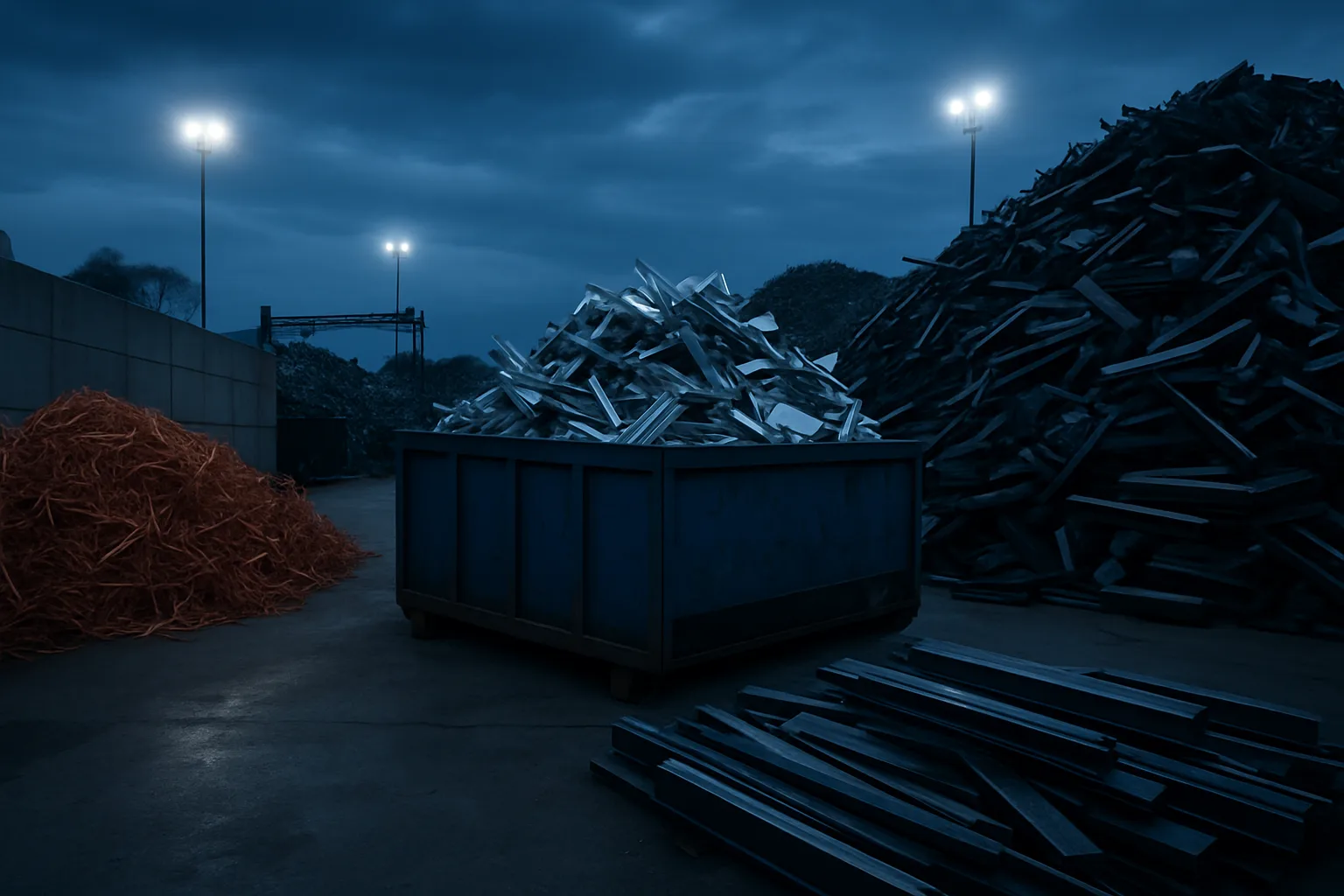
What Really Happens to Your Metal After You Drop It Off at a Scrap Yard
Most people pull up to a scrap metal yard in Hamilton, unload their load, collect their cash, and drive away without a second thought. But what happens behind the scale house is a lot more involved than most sellers realize — and understanding it can actually help you get paid better. Knowing how yards sort, grade, and process metal tells you exactly why preparation matters and why showing up with a clean, sorted load puts more money in your pocket.
Processing scrap metal is a skilled, equipment-heavy operation. It's not just a pile of junk getting crushed. Modern scrap facilities — including busy ones across Ontario — run XRF analyzers, shredders, balers, and cranes to move, identify, and upgrade raw material into something mills and foundries will actually buy. The gap between "unprocessed scrap" and "mill-ready material" can be significant in terms of price per pound.
How a Local Scrap Yard in Hamilton Receives and Grades Incoming Metal
The moment your truck rolls onto the scale, the grading process has already started. The scale operator is eyeballing your load — are the metals mixed? Is there contamination? Plastic, rubber, or insulation attached to copper or aluminum drops its grade immediately. A yard buying #1 bare bright copper won't pay that rate for wire still wrapped in insulation. The difference in price per pound between grades can be substantial.
After weighing, material moves to a sorting area. Larger operations in Hamilton and across Ontario use a combination of:
- Visual inspection — experienced sorters identify alloys by color, weight, and surface texture
- XRF guns (X-ray fluorescence analyzers) — handheld devices that identify exact alloy composition in seconds
- Magnet testing — the fastest way to separate ferrous (iron-based) from non-ferrous metals
- Spark testing — used for steel and iron grades when visual ID isn't enough
- Water float testing — less common, but used to separate certain light alloys
Each stream gets separated into its own bin or bay. Ferrous metals — steel, iron, stainless — go one way. Non-ferrous materials like copper, aluminum, brass, lead, and zinc go another. From there, grades get split further. Sheet aluminum is a different commodity than cast aluminum or aluminum extrusion. Mills pay differently for each, so yards have every incentive to sort accurately.
Processing Equipment: What Yards Actually Use to Upgrade Scrap Metal
Receiving and sorting is just step one. Before most material leaves a yard, it gets processed — physically transformed to reduce volume, remove contamination, and meet the spec a buyer or mill requires. If you've ever wondered why a yard might pay differently for a loose pile of steel versus a dense bale of it, this is why.
Common processing equipment at full-service scrap facilities includes:
- Shredders — auto shredders reduce whole vehicles and large appliances into fist-sized fragments, then downstream systems separate ferrous from non-ferrous automatically
- Balers — compress loose sheet metal, cans, and light steel into dense, stackable bales that are easier and cheaper to ship
- Shears and guillotines — cut heavy structural steel, beams, and pipe down to a manageable size for melting
- Wire granulators — strip insulation from copper wire without burning it, preserving metal quality and avoiding the emissions violations that come with burning
- Torch cutting stations — human operators cut oversized iron, machinery, and castings to specification
- Eddy current separators — used downstream of shredders to pull non-ferrous metals from shredded material automatically
This equipment isn't cheap, and running it isn't cheap either. That processing cost is factored into the buy price a yard offers you. A yard paying a lower rate for unprepared, mixed material isn't being unfair — it's pricing in the work it still has to do before that metal becomes sellable.
Scrap Metal Yard Fire Risk: Why Sorting and Safety Protocols Matter
Here's the secondary keyword that most sellers never connect to their own behavior: scrap metal yard fire risk is real, and a significant portion of it comes from what gets mixed in with incoming loads. Sealed containers, propane tanks, lithium-ion batteries, aerosol cans, and pressurized cylinders regularly sneak into scrap loads — sometimes by accident, sometimes because a seller didn't know better.
When those materials hit a shredder or get compressed in a baler, the results can be catastrophic. Lithium-ion battery fires in particular are a growing problem across North American scrap facilities. They're difficult to extinguish, they reignite, and they can destroy equipment, inventory, and buildings. Ontario-based yards have increasingly strict intake protocols around batteries — especially as electric vehicle adoption increases the volume of high-capacity battery packs in the waste stream.
The takeaway for sellers: before you load up your truck, check your material. Remove propane tanks. Pull batteries out of old tools, appliances, and equipment. Flag anything sealed or pressurized before it hits the scale. Yards that get surprised by hazardous material in a load have every right to reject it — and they will. It protects their workers, their equipment, and their insurance. Showing up prepared isn't just courteous — it keeps the facility running safely for everyone.
Can You Sell Scrap Metal for Cash in Canada? What You Need to Know
Can you sell scrap metal for cash? In Canada, the answer depends on the yard, the province, and the type of metal. Most yards across Ontario and the rest of Canada still offer cash payouts for smaller loads — especially non-ferrous material like copper, aluminum, and brass. For larger loads or commercial sellers, payment by cheque or electronic transfer is increasingly standard as yards tighten anti-theft compliance protocols.
Ontario has historically had regulations around cash payments for certain metals — particularly copper and catalytic converters — to reduce metal theft. These rules have continued to evolve. Before assuming you'll walk out with cash in hand, it's worth calling ahead to your Hamilton scrap metal services provider to confirm their current payment policy and any ID requirements they enforce.
A few practical notes on getting paid:
- Bring valid government-issued ID — most yards require it for non-ferrous material, especially copper
- Separate your metals before arrival — sorted loads process faster and sometimes command better rates
- Ask about the grading scale before unloading — knowing whether your copper is being bought as #1, #2, or bare bright helps you evaluate the offer
- For larger volumes, consider platforms that put multiple buyers in competition for your load
That last point matters. Selling to a single yard on a single phone call means you're accepting one price from one buyer who has every incentive to offer less. Platforms like SMASH Recycling connect sellers with vetted buyers across Canada, letting competition do what it's supposed to do: reveal the actual market price for your material. That's not a knock on individual yards — it's just how markets work.
How to Prepare Your Load Before Visiting a Scrap Metal Recycling Facility in Canada
The difference between a well-prepared load and a messy one isn't just philosophical — it shows up in your payout. Yards that have to sort your material themselves factor that labour into the price they offer. Showing up with clean, separated, contamination-free metal sends a signal that you're a professional seller, and it streamlines the intake process so everyone moves faster.
Here's a simple prep checklist before heading to any local scrap yard in Hamilton or elsewhere in Ontario:
- Separate ferrous from non-ferrous — keep steel and iron away from copper, aluminum, and brass
- Strip what you can — bare copper wire is worth significantly more than insulated wire
- Remove batteries and pressurized containers — this is a safety requirement, not optional
- Document your load — photos, weights if you have them, and a basic inventory help for larger loads
- Know your grades — understand whether you're bringing sheet aluminum, cast aluminum, or extrusion; each has a different value
- Call ahead for large loads — some yards require scheduling for commercial volumes
For businesses moving regular volumes of scrap — auto shops, demolition crews, manufacturers — preparation compounds over time. Building a system for sorting at the source means every trip to the yard is faster and pays better. And if you're moving enough volume to consider the auction route, find a scrap yard near you in Canada that suits your needs, or explore what competitive bidding on a platform like SMASH can do for your margins.
The scrap metal recycling process in Canada is more sophisticated than most sellers assume. The yards doing it right — grading accurately, processing efficiently, paying fairly — are the ones worth building a relationship with. You can read Canadian scrap yard guides to compare options and understand what a good yard experience actually looks like, or use locate the closest Canadian scrap yard to your location to find vetted facilities nearby.
If you're in the Hamilton or broader Ontario market and you're moving any meaningful volume of metal, don't guess at your price. Know what preparation gets you, know how yards grade, and know that more than one buyer exists for your material. The market rewards sellers who show up informed.
Frequently Asked Questions
Q: How does a scrap metal yard in Hamilton sort different types of metals?
Yards use a combination of visual inspection, magnet testing, and XRF analyzers to identify and separate ferrous metals (steel, iron) from non-ferrous metals (copper, aluminum, brass). Each grade is sorted into separate streams because mills and foundries pay different prices depending on alloy type and purity. Showing up with pre-sorted material speeds up the process and can improve your payout.
Q: Can you sell scrap metal for cash at a local scrap yard in Hamilton?
Many yards in Hamilton and across Ontario still offer cash for smaller loads of non-ferrous metal, but policies vary. Regulations around cash payments for certain metals — particularly copper — have tightened in recent years to address metal theft. Always call ahead and bring valid government-issued ID, as most yards require it for non-ferrous material regardless of payment method.
Q: What causes scrap metal yard fires, and how do yards prevent them?
Scrap metal yard fires are often triggered by hazardous materials mixed into incoming loads — sealed containers, propane tanks, aerosol cans, and increasingly, lithium-ion batteries. When these items go through shredders or balers, they can ignite or explode. Responsible yards have strict intake inspections, and sellers should always remove batteries and pressurized containers before dropping off a load.
Q: What metals are worth the most at a Hamilton scrap yard?
Non-ferrous metals consistently command the highest prices. Bare bright copper, high-grade aluminum, and clean brass are typically at the top of the value scale. Stainless steel and certain specialty alloys also fetch strong prices. Ferrous metals like common steel and iron are worth less per pound but can add up quickly at volume. Prices fluctuate with global commodity markets — always check current rates before assuming what your load is worth.
Q: How do I find a reputable scrap metal recycling facility near me in Ontario?
Start by looking for yards that are transparent about their grading system, publish or disclose current prices, and have clear intake procedures. Reading reviews and asking about payment policies upfront are good filters. For larger volumes, platforms like SMASH connect sellers with vetted buyers across Canada and put competitive pressure on pricing rather than leaving you to negotiate alone.
Whether you're clearing out a shop, scrapping a vehicle, or running a regular commercial load, knowing how the process works puts you in a stronger position every time you pull up to the scale. If you're ready to find a facility that matches what you're selling, find a trusted scrap yard near you in Canada — check locations at scrap-yard-near-me.ca.
Stay current on scrap metal market trends and industry news by following SMASH on LinkedIn — practical updates for sellers and buyers who want to stay ahead of the market.