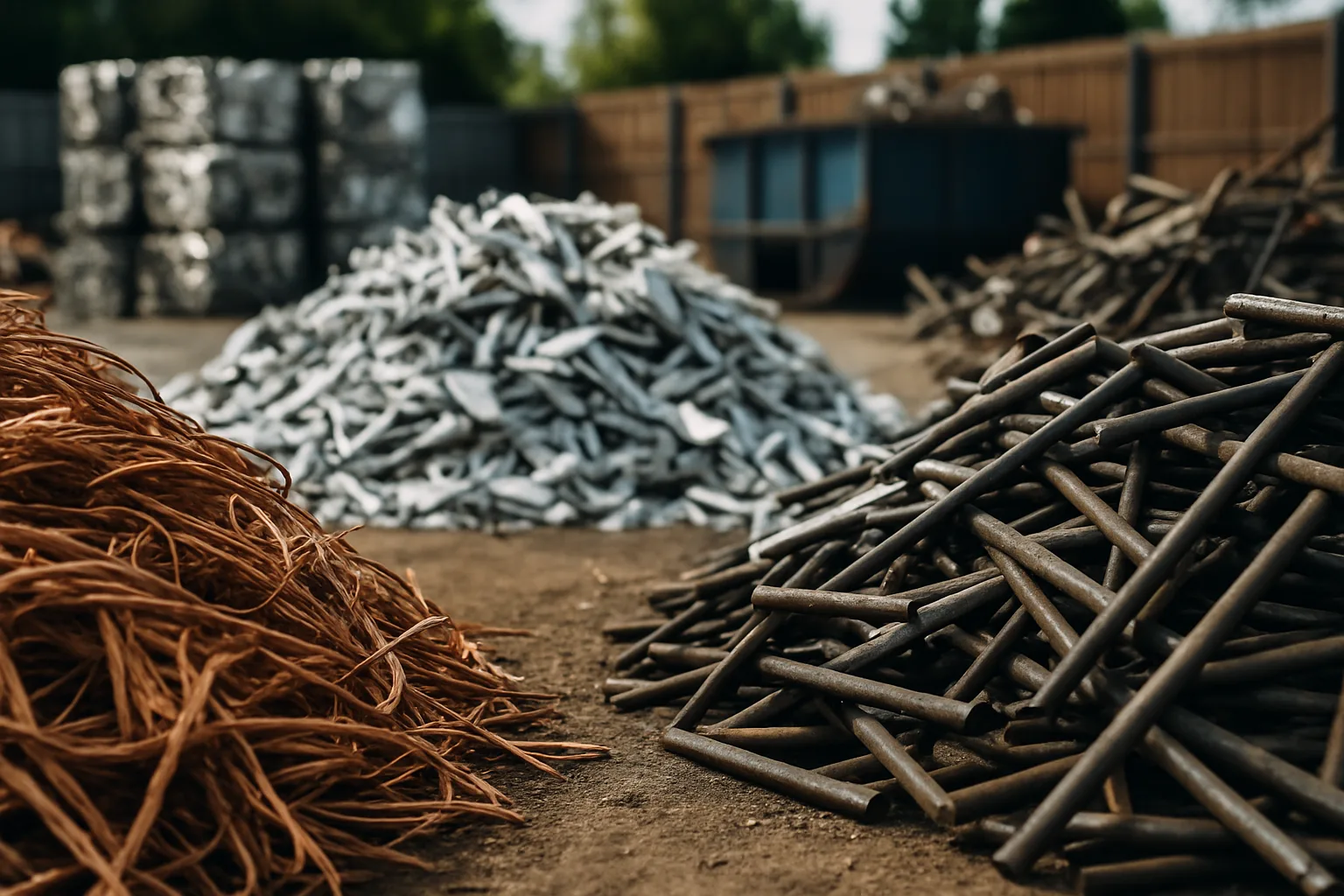
Most people drop off their scrap, pocket the cash, and never think about it again. But if you've ever wondered where that pile of copper wire, old radiators, or stripped-out appliances actually goes — the answer is more interesting than you'd expect. And understanding the journey helps you make smarter decisions about where you sell and how you get paid.
If you're looking to find a scrap yard near you in Canada, knowing what happens downstream can change how you think about the whole transaction. The yard isn't just buying your metal — they're reselling it into a global supply chain. That means competition, pricing pressure, and real market forces are at work every time you drop off a load.
This week's roundup breaks down the full lifecycle of scrap metal — from your truck to the smelter — and explains why the process matters to you as a seller in Richmond, British Columbia, or anywhere else across Canada.
---Step One: Sorting and Grading at the Scrap Yard
When your metal hits the scale, the yard's job is to figure out exactly what they have. Not all metal is equal. A load of clean #1 copper is worth significantly more than insulated wire. Shredder-ready steel is graded differently than prepared plate and structural. The yard sorts, separates, and grades every load before it moves anywhere.
This is where documentation matters — for them and for you. Yards that use photo documentation, weight records, and grading notes can move inventory faster and attract better buyers downstream. Sloppy recordkeeping slows everything down and introduces risk into the chain.
- Ferrous metals (iron, steel) get sorted by grade — shredder scrap, heavy melt, plate and structural
- Non-ferrous metals (copper, aluminum, brass, zinc) get sorted by alloy type and cleanliness
- Catalytic converters (cats) get sorted by make, model, and VIN-verified where possible
- E-scrap gets flagged for separate processing — circuit boards, motors, and transformers have their own recovery stream
The tighter the sort, the higher the value downstream. Yards that do this well consistently get better offers from buyers. That's not a coincidence — it's how commodity markets work.
---How Scrap Yards in Richmond and Across British Columbia Move Their Inventory
Once sorted and graded, the yard needs buyers. Traditionally, that meant cold calls to the same two or three processors they've worked with for years. One call, one offer, take it or leave it. That's how scrap pricing stayed opaque for decades — sellers didn't know if they were getting a fair number, and yards didn't always know if they were leaving money on the table.
That model is changing. Platforms like the SMASH Recycling auction platform let yards post documented loads and let vetted buyers compete for them. No subscription fees. No guessing. Just price discovery driven by actual market demand. For yards in Richmond moving non-ferrous loads or high-value cat inventories, that competition can mean a meaningful difference in what they net per load.
The old way was one phone call and a handshake. The new way is documented inventory, multiple buyers, and a clear paper trail. If you're evaluating Richmond scrap metal services, it's worth asking whether the yard you're selling to has access to competitive buyer networks — because that affects what they can offer you at the scale.
---From the Yard to the Processor: The Middle Stage of Metal Recycling
After the yard sells a load, it moves to a processor or broker. This is the middle layer of the scrap supply chain — companies that aggregate large volumes, further refine grades, and sell to mills or smelters. In Canada, several major processors operate regional hubs that pull from yards across British Columbia and beyond.
This stage is where BOLs (bills of lading) and packing lists become critical. A load leaving a yard in Richmond heading to a processor in the Lower Mainland — or being exported through the Port of Vancouver — needs accurate documentation. Weight, grade, lot numbers, and in many cases serial tracking for high-value items like cats and cores.
- Ferrous loads typically move to mini-mills or electric arc furnace (EAF) operations that melt and recast steel
- Copper and aluminum go to smelters that refine the metal back to specification-grade material
- Cats and cores go to specialized PGM (platinum group metal) refiners that extract platinum, palladium, and rhodium
- E-scrap goes to certified e-waste processors — in Canada, this is regulated under provincial Extended Producer Responsibility (EPR) programs
Every stage of this chain has a margin built in. The processor makes money. The smelter makes money. The mill makes money. Understanding this helps you see why the price you get at the yard is always below spot — the yard needs room to move the metal profitably through all of these downstream layers.
---What the Smelter and Mill Do With Your Old Metal
This is where scrap metal becomes raw material again. Steel scrap gets charged into an electric arc furnace alongside virgin ore, melted down, refined, and cast into billets or coils that get rolled into rebar, structural sections, or sheet steel. Your old car door might end up as a steel beam in a construction project six months from now.
Non-ferrous metals go through a different process. Copper scrap gets melted and refined into cathode copper — the same high-purity material used in electrical wiring, motors, and electronics. Aluminum goes through a similar refining process and re-enters the market as ingot, billet, or rolled sheet. The recycled content in North American aluminum production is enormous — recycling aluminum uses a fraction of the energy needed to produce it from bauxite.
This is why scrap metal recycling in Canada isn't just about convenience — it's a core input to manufacturing. The automotive sector, construction industry, and electronics manufacturers all depend on reliable scrap supply to keep production costs manageable. When you sell your scrap, you're not just clearing out your yard. You're feeding a supply chain.
---Why Price Discovery Matters for Every Seller in the Chain
Here's the thing most sellers don't fully appreciate: the price you receive at the yard is directly connected to how much competition exists at every level above you. If the yard can only sell to one buyer, their margin gets squeezed — and that squeezes your payout. If the yard has access to ten vetted buyers competing for their load, price discovery improves across the board.
This is the core argument for why platforms like SMASH exist. More buyers means better price discovery. Documented inventory gives buyers more confidence to bid aggressively. No subscription fees means the yard keeps more of what they earn. That math flows down to you as the original seller.
Whether you're a homeowner dropping off a few hundred pounds of aluminum or a contractor hauling mixed non-ferrous loads, the system you sell into affects your outcome. You can read Canadian scrap yard guides to understand how different yards operate and what to look for when you're comparing options.
If you want to locate the closest Canadian scrap yard with transparent practices and access to competitive buyers, that information is worth having before you load the truck.
---What This Means for You as a Seller in Richmond
Knowing the downstream journey of your scrap changes how you approach the sell. Clean, sorted, well-documented loads move faster and attract stronger bids at every level. If you're bringing in a mix of copper, aluminum, and steel, pre-sorting at your end saves the yard time — and yards often reflect that in better per-pound rates.
For sellers in Richmond and the surrounding Lower Mainland, the logistics work in your favour. Proximity to major processors, port access for export loads, and a competitive yard market means you have real options. Use them. Don't default to the first number you're quoted. Compare. Ask about the buyer network. Ask how loads get priced and sold.
The scrap market in 2026 is more transparent than it's ever been — but only for sellers who push for it. The old way of one buyer, one phone call, one offer is still out there. You just don't have to accept it.
Ready to find a trusted scrap yard near you? Whether you're in Richmond, elsewhere in British Columbia, or across Canada, scrap-yard-near-me.ca is the straightforward way to locate facilities near you and make a more informed decision before your next drop-off.
---Frequently Asked Questions
Q: How do I find a scrap yard near me in Richmond, BC?
You can search online or use a directory like scrap-yard-near-me.ca to locate verified facilities near Richmond. Look for yards that list their accepted materials, hours, and pricing policies upfront — transparency at the front counter usually reflects how they operate overall.
Q: What metals get the best prices at scrap yards in Richmond?
Non-ferrous metals consistently command higher prices than ferrous scrap. Clean copper, aluminum extrusion, brass fittings, and stainless steel typically return the strongest per-pound rates. Catalytic converters can also carry significant value depending on make, model, and PGM content — VIN documentation helps here.
Q: Does sorting my scrap before drop-off actually change my payout?
Yes — in most cases, it does. Yards price mixed loads more conservatively because sorting takes time and labour on their end. Bringing in pre-sorted, clean material signals a better-quality load and reduces handling cost. Many yards will reflect that with a stronger offer per pound.
Q: How long does it take for scrap metal to be fully recycled after I sell it?
Timelines vary by metal type and processor capacity. Ferrous loads moving to a regional mini-mill might be processed within a few weeks of leaving the yard. Non-ferrous material headed to a smelter can take longer depending on lot sizes and logistics. The yard sells the load; after that, the processor and mill set the pace.
Q: Are scrap metal prices in Canada different from U.S. or overseas markets?
Yes — Canadian scrap prices are influenced by domestic demand, exchange rates, and regional logistics costs. Global commodity benchmarks (like LME copper pricing) affect the ceiling, but what you receive at a Canadian yard reflects local supply, processor demand, and transport costs. Always check current rates directly with your yard before selling, as prices fluctuate regularly.
---Prices and market conditions referenced in this article are general in nature. Scrap metal prices fluctuate based on commodity markets, regional demand, and individual yard policies. Always confirm current rates directly with your local yard before selling.
Stay current on scrap metal market trends and industry news by following SMASH on LinkedIn — it's worth a follow if you're selling metal regularly or managing yard inventory.