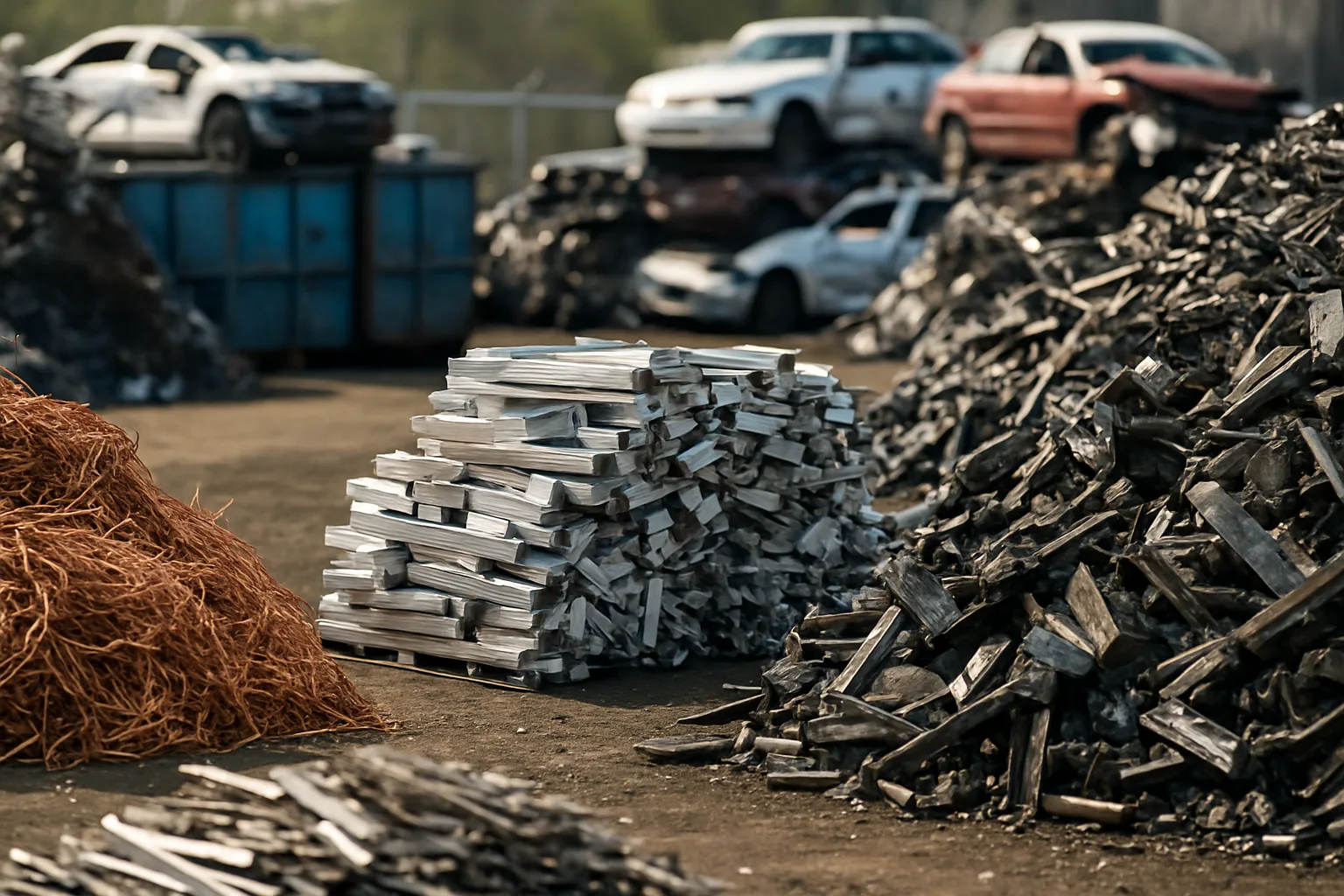
Most scrap yards still run the same way they did in 1995. Paper logs. One buyer on speed dial. A price guess that changes depending on who answers the phone. That gap between what the old way delivers and what technology now makes possible? It's costing yard operators real money — and for sellers, it means leaving value on the table every single time.
If you're trying to sell an old vehicle, a load of non-ferrous, or a pile of catalytic converters, the auto recycling yard Kitchener landscape is shifting fast. Yard operators across Ontario are starting to adopt tools that bring real price discovery, digital documentation, and buyer competition into a business that's historically run on gut feel and handshakes. Here's what that actually looks like on the ground — and why it matters to you.
Why the Old Way of Selling Scrap Stopped Working
The traditional scrap yard model is built on information asymmetry. The buyer knows the market. The seller doesn't. One phone call, one price offer, one decision made without any real benchmark. That's not negotiation — that's hoping.
For decades, sellers didn't have much choice. You loaded the truck, drove to the yard, took what they offered, and moved on. If you were lucky, you knew somebody who knew somebody and got a slightly better number. But "slightly better" isn't a pricing strategy. It's luck.
Technology is changing that equation entirely. Digital platforms, photo documentation tools, VIN lookup, and auction-style formats are pulling the curtain back on a market that's been opaque by design. Sellers who understand these tools are getting real price discovery — not an educated guess from a single buyer with no competition breathing down their neck.
What Technology-Driven Scrap Yards Actually Look Like in 2026
The modern scrap yard isn't just a different coat of paint on the same operation. The infrastructure has changed. Inventory management is digital. Loads are documented with photos at intake. Serial numbers get tracked. BOLs and packing lists are generated automatically. That might sound like back-office noise, but it has a direct impact on what you get paid.
Here's why: documented inventory gives buyers more confidence. When a buyer knows exactly what's in a load — weights verified, photos attached, VINs confirmed — they bid more aggressively. Ambiguity is expensive. Transparency rewards everyone except the guy who was profiting from the information gap.
Some of the specific changes happening at forward-thinking yards in 2026 include:
- Digital intake and photo documentation — every load photographed at drop-off, reducing disputes and building buyer trust
- VIN lookup tools — faster processing for end-of-life vehicles, accurate part identification
- Serial tracking — especially important for catalytic converters and cores, where fraud risk is high
- Auto-invoicing — no more waiting three days for paperwork; transactions close faster
- Auction-style selling — instead of calling one buyer, loads go to multiple vetted buyers simultaneously
That last point is where the biggest dollar impact happens. Competition can help reveal the market. One buyer makes an offer. That's a ceiling. Ten vetted buyers competing? That's a floor with room to climb.
How Scrap Metal Auction Platforms Are Changing Price Discovery
A scrap metal auction platform does something the old model couldn't: it creates competition at the point of sale. Instead of a yard operator calling their usual buyer and accepting whatever number comes back, loads get listed with documentation and pushed to a network of vetted buyers who bid against each other.
This matters because scrap metal prices aren't fixed. They move with global commodity markets, regional supply levels, and what buyers actually need that week. A single buyer can shade their offer based on what they know about your situation. A pool of competitive buyers can't hide behind that — they have to bid to win the load.
Platforms like SMASH are built specifically for this. SMASH connects scrap yards with vetted buyers across North America, runs competitive auctions on documented loads, and handles the transaction infrastructure — GST/HST handling, auto-invoicing, packing lists — so yards aren't drowning in admin after the sale closes. No subscription fees. SMASH only wins when the seller wins.
For sellers in Ontario, this kind of tool means you're no longer dependent on who happens to answer the phone at a scrap yard near me Ontario search result. You're plugged into actual market demand. More buyers means better price discovery. That's not a marketing line — it's basic economics.
What This Means for Auto Recycling in Kitchener Specifically
Kitchener sits in the middle of one of the most industrially active corridors in Ontario. Manufacturing, automotive supply chain, construction — all of it generates scrap. And as that region's recycling infrastructure modernizes, sellers have more options than ever for moving metal at competitive prices.
If you're looking for Kitchener scrap metal services, the shift toward digitized operations means you should be asking better questions before you pull into any yard. Does the yard document intake? Do they work with multiple buyers, or are they locked into one relationship? Can they tell you how your price was determined? A yard that can't answer those questions clearly is probably still running the 1995 model.
The auto recycling sector in Kitchener has historically been solid but fragmented. Small independent yards, a few larger operations, no standardized process. Technology is starting to close that gap — and the yards that adopt better tools will be the ones worth driving to. When you find a scrap yard near you in Canada, it's worth taking five minutes to verify what their intake and pricing process actually looks like before you load the truck.
The Transparency Factor: Documentation as a Competitive Advantage
Here's a shift that doesn't get talked about enough: documentation isn't just about compliance or avoiding disputes. It's a sales tool. Loads that come in with clear photos, accurate weights, and proper paperwork sell faster and attract more serious buyers.
Think about it from the buyer's side. Two loads hit their inbox at the same time. One is described in three vague lines with no photos. One has detailed documentation, weights, photos of the material, and a clear packing list. Which one do they bid on with confidence? The documented one — every time.
This is why yards that invest in digital tools aren't just making their own operations more efficient. They're creating inventory that the market actually wants to buy. It's a competitive advantage that shows up directly in final sale prices. Sellers who understand this can use it to choose which yards to work with — and to push for better terms when they know their load is well-documented and desirable.
For anyone selling catalytic converters or cores, the serial tracking piece is especially critical in 2026. Regulatory pressure on cat theft has tightened documentation requirements across Ontario and beyond. Yards with proper tracking tools aren't just legally protected — they're operationally cleaner and more attractive to buyers who can't afford compliance risk.
Finding the Right Yard When Technology Matters
Not every yard has made the leap. And that's fine — choosing where to sell is still your call. But knowing what to look for gives you leverage. When you're searching for the best scrap yard Kitchener has to offer, technology adoption is a real differentiator worth asking about.
Questions worth asking any yard before you show up:
- Do you photograph loads at intake?
- How do you price non-ferrous material — one buyer or multiple?
- Can you track serial numbers on cats and cores?
- Is invoicing same-day or delayed?
- Do you use a platform to access competitive bids, or do you call one buyer?
A yard that can answer those confidently is operating in the current decade. One that can't — or that gets defensive — is probably still running on instinct and relationships that benefit them more than you.
Platforms like SMASH are raising the floor on what sellers should expect. When competitive auctions, digital documentation, and vetted buyers become the baseline, the yards that can't match that standard lose business. That's market pressure doing what it's supposed to do. You can read Canadian scrap yard guides to get sharper on what questions to ask and what red flags to avoid before you drive anywhere.
Whether you're an individual clearing out an old car or a business moving regular loads of non-ferrous, the tools now exist to get real price discovery instead of a single take-it-or-leave-it number. Locate the closest Canadian scrap yard that actually uses them — and use that information to negotiate like you know what your load is worth. Because now you can.
Disclaimer: Scrap metal prices fluctuate based on commodity markets, regional demand, and material grade. Always verify current rates directly with your yard or buyer before finalizing any sale.
Frequently Asked Questions
Q: What should I look for in an auto recycling yard in Kitchener?
Look for yards that document intake with photos, use digital inventory tools, and work with multiple buyers rather than just one. In Kitchener's competitive market, the best yards are transparent about how they set prices and can generate proper invoicing quickly. Ask directly how they determine what they'll pay you — a good yard will answer without hesitation.
Q: Are scrap metal prices the same at every yard in Kitchener?
No. Prices vary depending on the yard's buyer relationships, overhead, and how they access the market. A yard plugged into a competitive auction platform will typically have better price discovery than one calling a single buyer. Always get more than one quote before committing a load, especially for non-ferrous metals or catalytic converters.
Q: What is a scrap metal auction platform and how does it help sellers?
A scrap metal auction platform connects yards and sellers with multiple vetted buyers who compete for loads. Instead of one buyer making a single offer, multiple buyers bid — which means the final price reflects actual market demand rather than one buyer's best number. Platforms like SMASH operate this way across North America, including Ontario.
Q: How do I find a reputable scrap yard near me in Ontario?
Start by searching specifically for yards that use digital intake processes and work with multiple buyers. Scrap-yard-near-me.ca lists trusted facilities across Canada, including Ontario, so you can identify options near you without calling around blindly. Check what documentation process they use before you drive out — it matters for both price and compliance.
Q: Does technology really affect what I get paid at a scrap yard?
Yes, directly. Documented loads attract more confident bids. Competitive auction formats create buyer pressure that single-buyer models can't replicate. Yards using modern tools process transactions faster and with fewer pricing disputes. The technology gap between the old way and the new way shows up in the final number — which is the only number that actually matters to you.
The scrap industry is changing faster than most people realize — and the sellers who understand that are the ones getting fair value for their material. Whether you're dropping off a load of copper, recycling an end-of-life vehicle, or moving regular tonnage through your business, the right yard and the right platform make a measurable difference. Find a trusted scrap yard near you in Canada and start asking better questions — check locations at scrap-yard-near-me.ca.
Stay current on scrap metal market trends and industry updates by following SMASH on LinkedIn — practical insights for yards and sellers across North America, without the fluff.
```