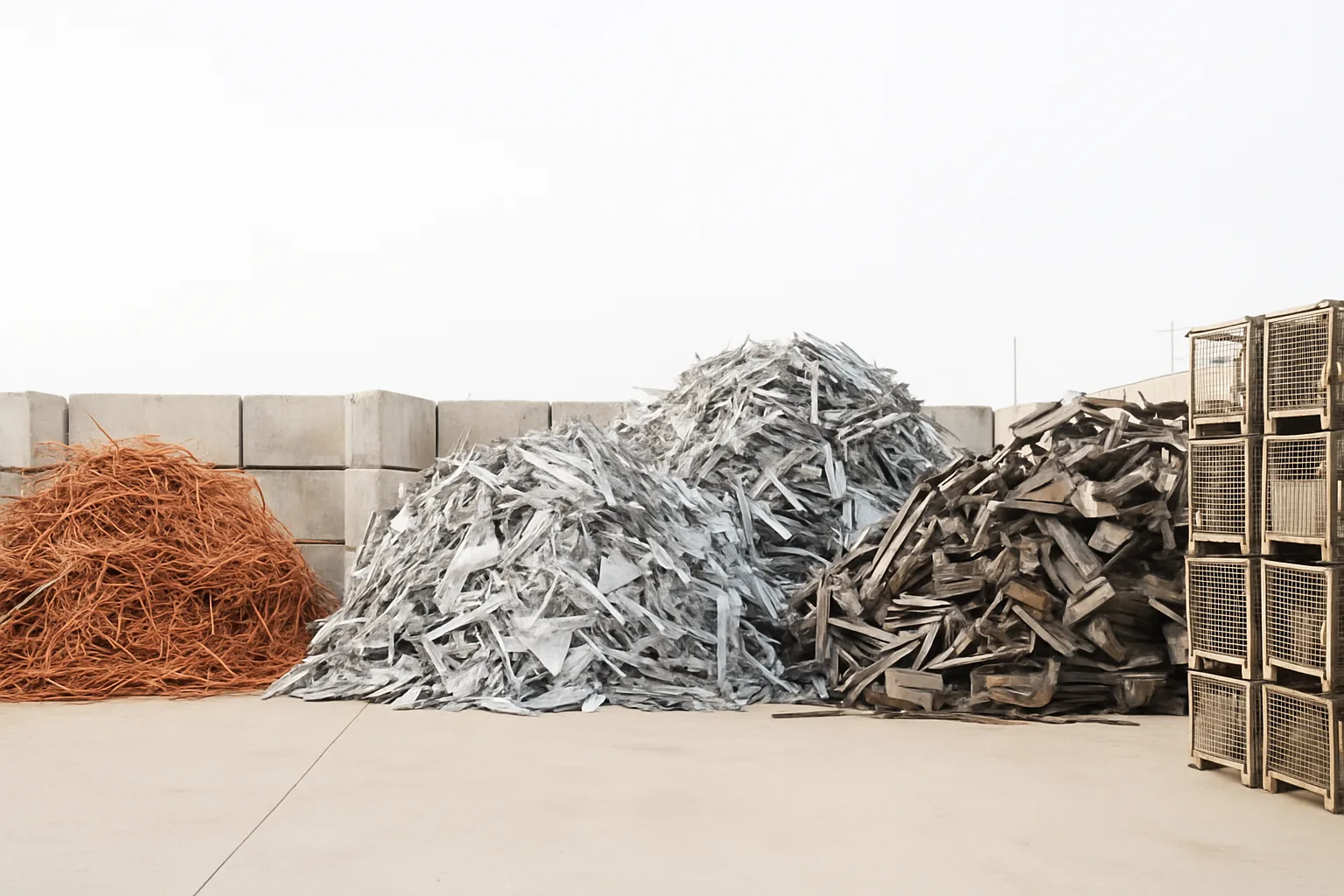
Most people searching for metal recycling near me Red Deer are focused on one thing: getting paid. That's fair. But the yard you choose to sell to isn't just about price — it's about whether that yard is operating legally, responsibly, and in a way that won't land you or them in regulatory trouble. Environmental compliance isn't a bureaucratic checkbox. It's what separates a legitimate recycling operation from a liability waiting to happen.
In Alberta, scrap yards operate under some of the most defined environmental requirements in the country. If a yard can't show you they're compliant, that's a problem. And in 2026, enforcement isn't getting lighter — it's getting sharper. Here's what the rules actually require, why it matters when you're selling metal, and how platforms like SMASH are helping connect sellers with buyers who operate above board.
---What Environmental Regulations Actually Govern Scrap Yards in Alberta
Scrap and metal recycling facilities in Alberta fall under several overlapping regulatory frameworks. The Environmental Protection and Enhancement Act (EPEA) is the primary legislation. It governs how facilities handle hazardous materials, manage stormwater runoff, store scrap on-site, and dispose of contaminants. Facilities that process vehicles, appliances, or industrial scrap must hold the appropriate approvals or registrations under this act.
On top of that, yards dealing with end-of-life vehicles must comply with Alberta's requirements around fluid drainage — oil, coolant, brake fluid, and refrigerants must be removed and managed before a vehicle shell can be crushed or shredded. This isn't optional. Improperly drained vehicles sitting in a yard lot can leach into soil and groundwater. Regulators in Alberta have the authority to issue stop orders, levy fines, and require full site remediation — costs that can run into the hundreds of thousands of dollars for non-compliant operators.
Key regulatory touchpoints for Alberta scrap yards include:
- EPEA registration or approval — required for larger or higher-risk operations
- Hazardous waste manifesting — proper documentation when moving or disposing of regulated materials
- Stormwater management — yards must prevent runoff from contaminated areas reaching drainage systems
- PCB and refrigerant handling — specific rules around older electrical equipment and appliances
- Record-keeping requirements — transaction logs, material tracking, and in some cases, government reporting
A yard operating without these systems isn't cutting corners — it's operating outside the law. When you find a scrap yard near you in Canada, checking for compliance signals is part of doing your homework.
---Why This Matters When You're Selling Scrap Metal in Red Deer
Red Deer sits in the geographic centre of Alberta, surrounded by agricultural land, the Red Deer River watershed, and industrial infrastructure supporting the energy corridor. That context matters. Environmental regulators in this region pay close attention to how industrial operations — including scrap yards — manage their footprint. A yard that skips fluid management or ignores runoff controls isn't just a regulatory risk. It's a community risk.
For sellers, there's a practical angle here too. Reputable scrap metal buyers near me Red Deer who operate compliantly tend to run tighter, more professional operations overall. They have proper scales. They document transactions. They issue legitimate receipts. That documentation protects you as a seller — especially if you're dealing in higher-value loads of non-ferrous metals, catalytic converters (cats), or copper cores where provenance and paper trails matter.
If you're bringing in a load of aluminum, a pallet of cores, or a stripped-out vehicle, a compliant yard will:
- Weigh your load on certified equipment
- Issue a written receipt or payout documentation
- Ask for ID on regulated materials (cats, copper, certain grades)
- Have visible signage about accepted and rejected materials
- Be able to answer questions about where your material goes downstream
Those aren't just nice-to-haves. In many cases, they're required. And they tell you something important about who you're dealing with.
---The Paperwork Side: BOLs, Packing Lists, and Material Tracking
Environmental compliance in the scrap industry isn't just about what happens to the material on-site. It extends through the entire chain of custody. When a yard ships a load of prepared steel or baled non-ferrous material to a mill or downstream buyer, that transaction needs documentation. Bills of lading (BOLs), packing lists, and in some cases serial tracking for regulated items are part of how the industry demonstrates accountability.
This is where the gap between informal yard operations and professional ones becomes visible. A yard that's doing things right maintains records. They can tell you where your copper went. They can produce a packing list on a load of cats or cores. They can account for the VIN on a vehicle they processed. Platforms like smashrecycling.ca build this kind of documentation into the transaction flow — photo documentation, inventory tools, serial tracking — so buyers and sellers both have a clear record.
When you sell scrap metal online through a platform with these tools built in, you're not just getting access to competitive buyers. You're getting a transaction that holds up to scrutiny. That matters more than most sellers realize until they need it.
---How Compliant Yards Affect Scrap Metal Prices and Market Transparency
Here's the uncomfortable truth: some non-compliant yards can offer slightly higher payouts in the short term because they're not absorbing the cost of proper fluid handling, hazardous waste disposal, or stormwater infrastructure. Those costs are real. Legitimate operators build them into their margins.
But chasing that marginal price difference is a short game. Compliant yards that operate with full documentation and vetted downstream buyers tend to price more accurately against the actual market. There's no guesswork. When you use a platform designed around metal recycling Alberta sellers — one where multiple vetted buyers compete for your load — you get price discovery based on real competition, not a single buyer's offer on a phone call.
SMASH is built on that model. No subscription fees. No single buyer calling the shots. Just documented inventory, vetted buyers, and an auction format that lets the market speak. Whether you're running Red Deer scrap metal services or processing loads from across central Alberta, that kind of transparency changes how you think about pricing.
More buyers seeing the same documented load — weights, grades, photos, chain of custody — means more confidence in the bid. That's not a pitch. That's how competitive markets work.
---What to Look for in a Compliant Scrap Yard Near You
Not every seller needs to audit a yard before dropping off a load of steel pipe. But if you're moving volume — vehicles, non-ferrous, industrial scrap — knowing the signals of a compliant operation protects you. Here's a practical checklist when evaluating a yard.
Visible compliance indicators:
- Paved or lined yard areas (not bare dirt under stored scrap)
- Fluid collection equipment for vehicles
- Clear signage about accepted materials and ID requirements
- Certified scales with calibration documentation
- Proper receipt issuance for every transaction
Questions worth asking:
- Are you registered or approved under Alberta's EPEA?
- Do you issue BOLs on outbound loads?
- How do you handle refrigerants from appliances?
- Do you track serial numbers on catalytic converters?
A yard that answers these questions confidently and without hesitation is running a clean shop. If the answer is a shrug or a redirect, that's information too. To locate the closest Canadian scrap yard with the right credentials, using a directory or platform that pre-vets operations is the fastest path to a trustworthy transaction.
For deeper reading on what makes a reliable recycling operation, read Canadian scrap yard guides covering everything from pricing to what different yards accept.
---Why Selling Through a Vetted Platform Changes the Game for Alberta Sellers
Finding a compliant, competitive yard used to mean driving around, making cold calls, and comparing single-buyer offers with no way to know if you were leaving money on the table. That model works fine until you realize the buyer's job is to buy low. Their goal and yours aren't aligned.
A vetted auction platform flips that dynamic. When buyers compete, the seller wins more often. And when that platform requires documentation — photo evidence, inventory records, packing lists — it naturally filters for buyers who operate at a professional level. You're not just getting a better price process. You're getting a more trustworthy counterparty on the other side of the transaction.
SMASH does exactly this. The platform is built around competitive auctions, documented loads, and vetted buyers across North America. No subscription fees. No cold calls. Just real market competition and a transaction trail that holds up. If you're processing scrap in Red Deer or anywhere across metal recycling Alberta operations, it's worth knowing your options extend well beyond your nearest phone book listing.
Find a trusted scrap yard near you in Canada — check locations at scrap-yard-near-me.ca and connect with facilities that operate the right way, every time.
---Frequently Asked Questions
Q: Do scrap yards in Red Deer need to follow environmental regulations?
Yes. Scrap yards operating in Red Deer and across Alberta must comply with the Environmental Protection and Enhancement Act (EPEA), which governs hazardous material handling, stormwater management, and waste disposal. Larger or higher-risk facilities require formal registration or approval from Alberta Environment. Operating without these approvals can result in fines, stop orders, and remediation requirements.
Q: What should I look for in a reputable metal recycling facility near me?
Look for certified scales, proper documentation (receipts, BOLs), visible fluid collection equipment for vehicles, and staff who can answer questions about their compliance status. A legitimate yard will also require ID for regulated materials like catalytic converters and copper. These aren't inconveniences — they're signs the yard is running a clean, accountable operation.
Q: Can I sell scrap metal online to buyers in Alberta without going to a physical yard?
Yes. Platforms like SMASH allow sellers to list documented loads — with photos, weights, and grade information — and have vetted buyers compete for them through an auction format. This approach gives you price discovery without relying on a single local buyer's offer. It works especially well for larger or more valuable loads like non-ferrous, catalytic converters, or cores.
Q: Why do some yards pay more than others for scrap metal near me in Red Deer?
Pricing differences come down to buyer demand, overhead costs, downstream connections, and how competitive their buying process is. Yards with lower compliance costs (often because they're cutting corners) may appear to offer more, but that creates risk. Transparent, competitive platforms tend to reflect actual market value more accurately than single-buyer cold quotes.
Q: Are catalytic converters subject to special rules at Alberta scrap yards?
Yes. In Alberta, regulations around catalytic converter (cat) transactions have tightened significantly. Most compliant yards require seller ID, vehicle information, and in many cases serial number documentation on cats. This is part of broader provincial efforts to address metal theft and ensure chain-of-custody accountability. Platforms with serial tracking built into their inventory tools make this process straightforward for both sellers and buyers.
---Stay current on scrap metal market movements and industry news — follow SMASH on LinkedIn for regular updates on pricing trends, regulations, and what's moving in the recycling industry across North America.