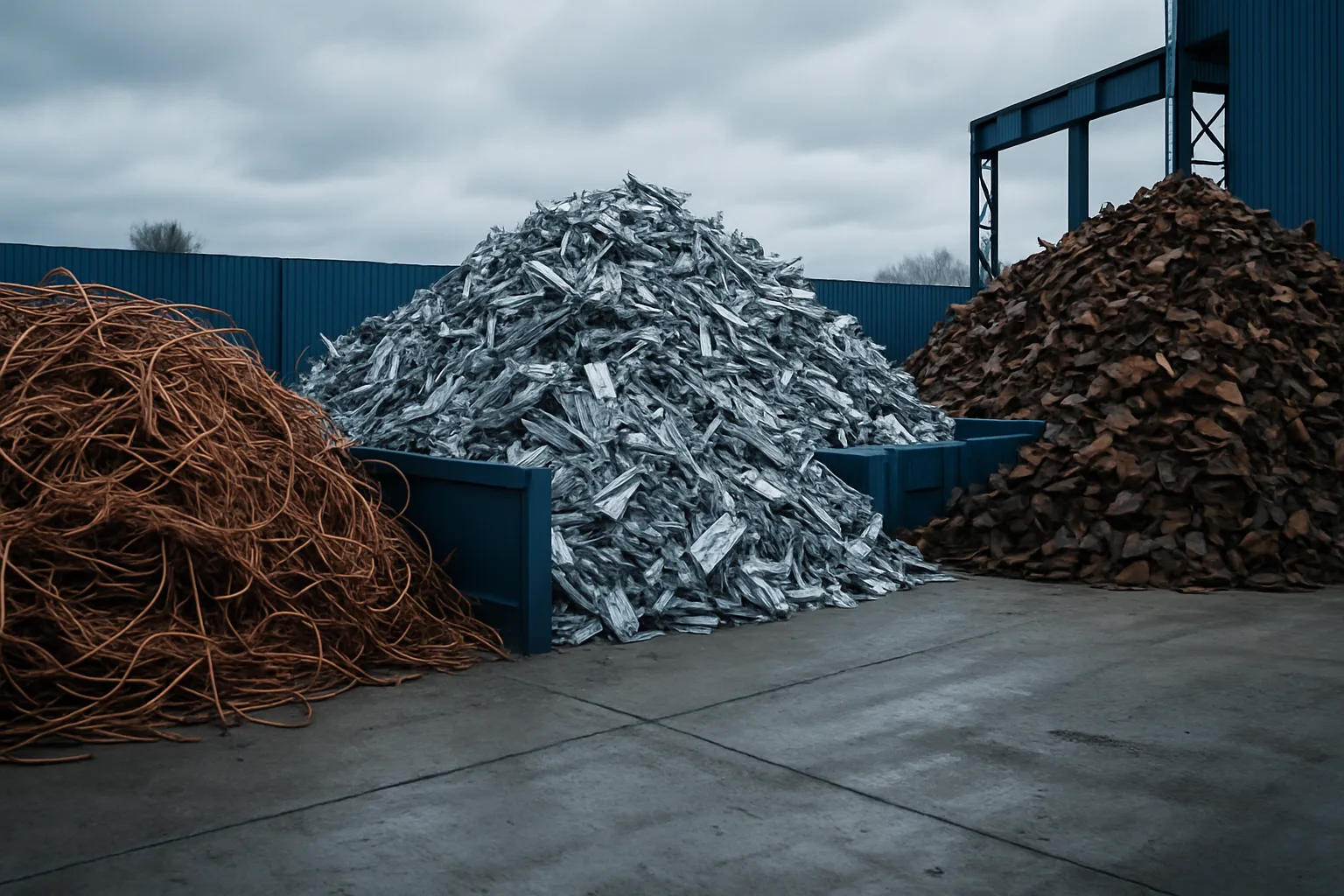
The scrap yard of 2026 looks nothing like it did a decade ago. Digital platforms, AI-assisted pricing tools, and online auction systems have rewritten the rules — and yards that haven't adapted are feeling it. If you operate an auto recycling yard in Burnaby or anywhere else in British Columbia, the technology curve isn't something you can ignore much longer.
This week's roundup breaks down what's actually changing, what it means for sellers and buyers, and how platforms like SMASH are giving yards a real competitive edge.
---From Phone Calls to Digital Auctions: The Old Way Is Broken
For decades, selling a load of scrap meant calling your guy, taking whatever price he quoted, and hoping it was fair. No comparison. No competition. No data. You either trusted the relationship or you didn't — and either way, you had no leverage.
That model is collapsing. Yards across North America are moving toward digital auction platforms where multiple vetted buyers compete on the same load. That competition matters. More buyers means better price discovery — full stop. You stop guessing what your copper, aluminum, or catalytic converters are worth and start seeing what the market will actually pay.
In a city like Burnaby, where industrial density and vehicle volume keep scrap supply high, the difference between one buyer and five buyers bidding on your cats or non-ferrous loads can be significant. Technology makes that competition possible without adding hours of phone work to your day.
---Digital Inventory Tools Are Replacing the Clipboard
Walk into most traditional scrap yards and you'll still find paper logs, handwritten tags, and someone's memory serving as the primary inventory system. That works — until it doesn't. A disputed load, a missing BOL, or a buyer who questions your core count can turn into a costly argument fast.
Modern yard management tools change that completely. Photo documentation, VIN lookups, serial tracking, and digital packing lists create a paper trail that protects both sides of the transaction. When a buyer bids on a load, they're not guessing at condition — they're looking at documented inventory. That confidence shows up in the offers.
Key capabilities that technology now brings to yard operations:
- VIN lookup tools — verify vehicle history before committing to a purchase price
- Serial number tracking — critical for catalytic converters and regulated components
- Photo documentation — time-stamped images attached to every lot or load
- Digital BOLs and packing lists — no more lost paperwork at pickup
- Auto-invoicing — closes the loop on transactions without the administrative back-and-forth
Yards using these tools spend less time disputing and more time selling. That's not a small thing when you're moving volume.
---The Catalytic Converter Auction Market Is Maturing Fast
Catalytic converters have been one of the most volatile corners of the scrap market for years — high value, hard to price accurately, and prone to disputes over grade and condition. The traditional approach of calling a processor and accepting a quote worked when volumes were lower and prices moved slowly. Neither of those things is true anymore.
The catalytic converter auction model is gaining real traction in 2026. Instead of accepting a single quote on a batch of cats, yards can now post their inventory with photos and serial documentation, then let multiple buyers compete. The process forces transparency on both sides. Buyers who want to lowball lose. Sellers who overgrade their cats also lose — because documented inventory holds them accountable too.
For an auto recycling yard in Burnaby processing a steady volume of end-of-life vehicles, this kind of structured auction process can meaningfully change how cats are priced and sold. It's not magic — competition can help reveal the market, not guarantee a number. But knowing what multiple buyers will pay beats knowing what one buyer told you over the phone.
Platforms built specifically for this — like compare scrap metal bids from Canadian buyers — bring vetted buyers to the table and handle the documentation requirements that provincial regulations increasingly demand around high-value components.
---Who Do Scrap Yards Actually Sell Metal To — and How Is That Changing?
This question comes up constantly, especially from newer operators or sellers who've always dealt with a single broker. The short answer: scrap yards sell to processors, smelters, brokers, and export buyers — depending on the material and volume. A yard in Burnaby moving non-ferrous might sell locally to a regional processor, or export aluminum and copper to buyers across North America.
The longer answer is that the buyer network is no longer defined by who you happen to know. Technology is opening access to buyers that smaller yards never had relationships with before. That's where the model shift is most visible.
Here's how the buyer landscape breaks down for most yards:
- Regional processors — handle bulk ferrous and common non-ferrous, closest to the yard geographically
- Specialty buyers — focus on high-value materials like cats, exotic alloys, or electronics
- Export brokers — aggregate material for overseas smelters, often the best price on large clean loads
- End-use smelters — direct relationships for high-volume yards, best margins but high minimums
Most small to mid-sized yards in British Columbia only have access to one or two of those buyer types. A digital platform with vetted buyers across all four categories changes what's possible — especially for yards that don't have the sales staff to manage multiple relationships manually.
If you're still working off a single buyer relationship for your cats or non-ferrous, it's worth asking whether that's by design or by default.
---Finding the Best Scrap Yard in Burnaby Just Got Easier for Sellers Too
Technology isn't just changing how yards operate internally. It's changing how individual sellers — vehicle owners, contractors, demolition crews — find and choose a yard. Search behaviour in 2026 is highly local and intent-driven. Someone with a vehicle to scrap in Burnaby isn't browsing yellow pages. They're searching "scrap yard near me British Columbia" or "best scrap yard Burnaby" and expecting real, current information immediately.
That means yards that show up with accurate hours, documented pricing, clear intake processes, and actual reviews will win the walk-in and call-in business. Yards that haven't updated their online presence since 2021 are losing that traffic to competitors who have.
For sellers trying to navigate the options, aggregator tools that let you find a scrap yard near you in Canada with current location data save real time. Instead of calling three yards to ask if they take certain materials, you can filter by what you have and where you are.
For yards, the implication is clear: your digital presence is now part of your yard's intake process. If a seller can't find you or trust what they find, they'll drive past you to the next option.
---What the Best Scrap Metal Prices Have in Common: Transparency and Competition
Ask any yard operator what drives the best scrap metal prices and you'll hear different answers. Timing. Relationships. Volume. Material quality. All of those matter. But the common thread in consistently strong sale outcomes is almost always competition and transparency working together.
When buyers know they're competing, they sharpen their offers. When sellers have documented inventory, buyers trust the material enough to bid confidently. That combination — competitive bidding on well-documented loads — is what technology is making scalable in 2026 in a way it simply wasn't five years ago.
Platforms like SMASH are built specifically around that dynamic. No subscription fees. Vetted buyers. Auction format. Auto-invoicing. The platform only wins when the seller closes a deal — which means the incentives are actually aligned with the yard, not just the buyer.
If you're an operator who wants to locate the closest Canadian scrap yard to benchmark what others in your area are doing, or if you're a seller trying to understand what your load should actually be worth, the information is more accessible now than it's ever been. Use it.
The yards and sellers winning in this market aren't waiting for prices to improve. They're building systems — documentation, buyer access, digital processes — that put them in a stronger position regardless of where the market sits. Whether you're running an auto recycling operation in Burnaby or read Canadian scrap yard guides to understand the landscape better, the shift is real and it's moving fast.
Find a trusted yard, understand your options, and stop leaving money on the table by defaulting to whoever picks up the phone first.
---Frequently Asked Questions
Q: How do I find the best auto recycling yard in Burnaby?
Search for yards that clearly list the materials they accept, their current intake process, and have verifiable reviews. Comparing multiple yards — or using a platform that aggregates verified locations — saves time and helps you avoid driving across Burnaby only to find out they don't take what you have.
Q: What technology do modern scrap yards use to price catalytic converters?
Many processors now use serial number databases and photo documentation to grade cats before pricing. Auction-based platforms let multiple buyers compete on documented cat inventory, which produces more transparent pricing than a single quote over the phone. The condition, grade, and documentation quality all affect what you'll get.
Q: Who buys scrap metal from yards in British Columbia?
Yards typically sell to regional processors, specialty buyers, export brokers, and sometimes directly to smelters depending on volume and material type. Technology platforms are expanding access to buyer types that smaller yards in British Columbia couldn't previously reach without dedicated sales staff.
Q: Are there no-subscription platforms for selling scrap metal in Canada?
Yes. Platforms like SMASH operate without subscription fees — they earn when a transaction closes, which aligns their incentives with the seller's. This is different from SaaS-style yard management tools that charge monthly regardless of whether you sell anything.
Q: How accurate are online scrap metal prices for Burnaby or British Columbia?
Published spot prices give a general directional sense of the market but don't reflect what your specific load will sell for. Actual offers depend on material condition, volume, local demand, and buyer competition. Always get multiple quotes or use a competitive auction format before accepting a price.
---Prices and market conditions referenced in this article reflect general 2026 market dynamics. Scrap metal prices fluctuate daily — always verify current rates directly with buyers or through a competitive bidding process before selling.
Stay current on the scrap metal market — follow SMASH on LinkedIn for weekly industry updates, pricing insights, and platform news.