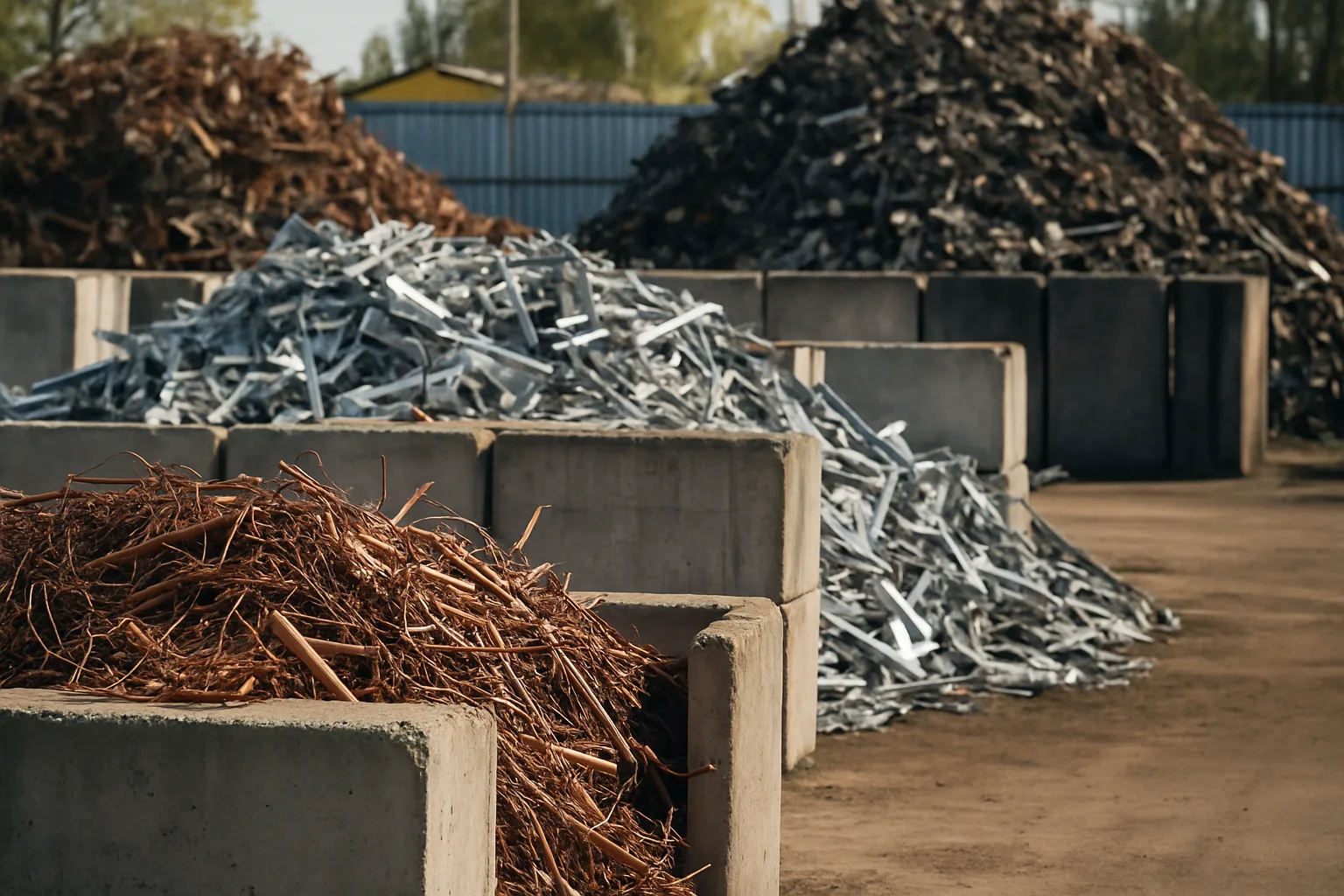
Canada recycles millions of tonnes of metal every year — and most of it moves through a network of scrap yards that most people drive past without a second thought. If you've ever wondered what actually happens to that old truck frame, those copper pipes, or the catalytic converter you pulled from a junked vehicle, the answer starts at your local scrap yard. Whether you're looking to find scrap yard Lethbridge options or simply understand where your metal ends up, this guide breaks it down plainly.
What the Circular Economy Actually Means for Metal
The circular economy isn't a buzzword. It's a practical system where materials — including metal — get used, collected, processed, and returned to production instead of buried in a landfill. Metal is one of the best candidates for this cycle because it doesn't degrade when recycled. Steel smelted from scrap performs the same as steel made from raw ore. Aluminum recycled from a crushed car door saves roughly 95% of the energy that primary production requires.
Scrap yards sit at the centre of this loop. They're the collection point — the bridge between end-of-life metal and the mills, smelters, and foundries that turn it back into usable material. Without scrap yards functioning efficiently, that loop breaks. Metal ends up stockpiled, abandoned, or undervalued. The circular economy depends on a reliable, well-connected scrap collection network across every region, including southern Alberta.
How Scrap Yards Process Metal Before It Gets Recycled
Most people assume you drop metal off at a scrap yard and that's it — done. The reality is more involved. Before any ferrous or non-ferrous metal leaves a yard heading for a mill, it goes through several steps that determine its value, its grade, and whether it's accepted at all.
Here's a basic breakdown of what happens at a functioning scrap yard:
- Receiving and weighing: Loads are weighed on a certified scale. The weight determines what you get paid, so accuracy matters.
- Sorting by material: Copper, aluminum, steel, stainless, and cast iron all go to different areas. Mixed metal loads often get penalized on price because someone has to sort them.
- Contamination checks: Fluids, insulation, plastics, and other non-metal materials get flagged. Yards reject or discount contaminated loads because they create processing problems downstream.
- Processing: Shredders, balers, and shears compress, cut, and densify material so it can be transported efficiently to end buyers.
- Outbound logistics: Processed material ships out as loads — often with BOLs and packing lists — to mills and smelters that melt it back into raw stock.
Each of these steps adds or protects value. A yard that runs this process well gives you a fair price and keeps material flowing properly. A yard that doesn't? You're guessing at your price and hoping the load gets accepted. That uncertainty is exactly what platforms like the SMASH Recycling auction platform were built to address — bringing competition and transparency to the selling side of this equation.
Finding a Scrap Yard in Lethbridge and Southern Alberta
If you're in Lethbridge or the surrounding area, you have access to scrap yards that handle everything from light iron and household appliances to full vehicle hulks, catalytic converters, and non-ferrous loads. Southern Alberta generates a significant volume of agricultural scrap — old equipment, irrigation hardware, worn-out implements — alongside the usual residential and industrial material.
When you're trying to find a scrap yard near you in Canada, a few factors matter more than just proximity:
- Does the yard accept your material type? Not every yard takes vehicles, and not every yard handles specialty non-ferrous like brass or insulated wire without deducting heavily.
- Are their scales certified? This isn't optional in Alberta — certified scales protect you on the transaction.
- Do they post their prices, or do you have to call and guess? Yards that publish rates give you something to compare against.
- Will they buy your load outright, or are you entering a competitive process? Competitive processes — auctions — generally produce better price discovery than a single-buyer phone call.
For Lethbridge scrap metal services, it's worth doing a bit of homework before you haul. Fuel, time, and labour add up. Know what the yard accepts and roughly what you're looking at before you load the truck.
Scrap Metal Prices Today: What Drives the Numbers
If you've ever searched scrap metal prices today, you've probably noticed that prices move — sometimes significantly — from week to week. That's not yards being arbitrary. Metal pricing connects to global commodity markets, shipping costs, the strength of manufacturing demand, and currency movements. What copper fetches in August 2026 reflects what foundries across North America and Asia are willing to pay for raw material right now.
A few factors that directly affect the price you get at the yard:
- Grade and purity: Clean copper wire gets a different price than insulated wire. Bare bright copper pays more than mixed copper with solder or fittings attached.
- Load size: Larger loads have more negotiating power. A few pounds of aluminum doesn't move the needle. A full pallet does.
- Market timing: Prices can shift week to week. If you're sitting on a significant load, watching the market before you sell can make a real difference.
- Buyer competition: One buyer, one price. Multiple buyers bidding on your load? That's price discovery. More buyers means better outcomes on average.
Disclaimer: Metal prices fluctuate based on market conditions. Always check current rates with your local scrap yard or platform before committing to a sale.
This is where the SMASH scrap metal auction model creates real value. Instead of accepting the price a single yard offers, SMASH connects sellers to vetted buyers in a competitive auction format. No subscription fees. SMASH only earns when the seller sells. That alignment matters — especially when you're moving a load worth real money.
Junkyard Near Me Car Parts: How Vehicles Fit Into Metal Recycling
Vehicles are one of the most recycled products on the planet — and southern Alberta generates plenty of end-of-life units every year. When you search junkyard near me car parts, you're tapping into an ecosystem that's deeply connected to the circular economy. A single vehicle contains steel, aluminum, copper wiring, lead-acid batteries, catalytic converters loaded with platinum group metals, and fluids that all need to be managed properly.
Here's how a vehicle typically moves through the recycling process:
- Depollution: Fluids get drained first — coolant, oil, brake fluid, refrigerant. This is a regulatory requirement in Alberta, not optional.
- Parts harvesting: High-value parts — engines, transmissions, doors, catalytic converters — get pulled and either resold as used parts or processed separately. Cats go to specialized refiners. Serial tracking and VIN documentation matter here, especially for compliance.
- Hulk shredding: What's left after depollution and parts removal goes to the shredder. Steel comes out the other side ready for a mill.
- Material recovery: Shredder output gets separated magnetically and through eddy current systems. Ferrous goes one way, non-ferrous the other.
If you're selling a whole vehicle, understand what you're actually transferring. The hulk price matters, but so does whatever's still attached — converters, copper harnesses, aluminum components. A yard that accounts for all of it gives you a more accurate picture of value than one that quotes you a flat bulk price. You can locate the closest Canadian scrap yard handling vehicle recycling through scrap-yard-near-me.ca and know exactly what you're walking into before you show up.
Why Scrap Yards Are Essential Infrastructure — Not Just Junkyards
The word "junkyard" undersells what a functioning scrap yard actually does. These operations are licensed businesses, often with environmental compliance obligations, certified weighing equipment, and established logistics networks that connect local sellers to regional and national buyers. In a city like Lethbridge, a well-run yard serves farmers, contractors, auto recyclers, manufacturers, and residential sellers — each with different materials and different volume needs.
The scrap industry also creates jobs that aren't going anywhere. Sorting, processing, logistics, compliance, and purchasing roles exist because metal recycling is labour-intensive work. Every tonne of steel recycled locally is a tonne that doesn't have to be extracted from raw ore somewhere else. That's not sentiment — it's an economic and environmental calculation that mills and manufacturers use when deciding where to source material.
To go deeper on how yards operate and what to look for when selling your material, read Canadian scrap yard guides covering everything from how yards grade your metal to what documentation to bring when you show up with a load.
Whether you're a yard operator looking to reach more buyers, or a seller trying to get a fair price for a load of non-ferrous or a pile of agricultural scrap from a farm outside Lethbridge, the system works better when there's real competition and real transparency at every step. That's the gap SMASH was built to close.
Ready to stop guessing? Find a trusted scrap yard near you in Canada — check locations and connect with verified buyers at scrap-yard-near-me.ca.
Frequently Asked Questions
Q: How do I find a scrap yard in Lethbridge that accepts my type of metal?
Start by identifying your material — ferrous (steel, iron) or non-ferrous (copper, aluminum, brass). Then check with local yards to confirm they accept your grade and volume. Scrap-yard-near-me.ca lists verified yard locations across Alberta so you can confirm what each facility handles before you make the drive.
Q: What are scrap metal prices today in Lethbridge?
Metal prices change based on global commodity markets, so there's no fixed number to publish here. Copper, aluminum, and steel all trade differently and shift week to week. Contact your local Lethbridge yard directly for current rates, or use a competitive platform like SMASH to let buyers bid on your load rather than taking a single quoted price.
Q: Can I sell a whole car to a scrap yard in Lethbridge?
Yes — most scrap yards in Alberta that handle vehicle recycling will buy whole end-of-life vehicles. Depollution is required before the hulk can be processed. Bring your vehicle title or proof of ownership. Some yards also pull and resell usable parts before shredding the frame, which can affect the overall value they quote you.
Q: What is the SMASH scrap metal auction and how does it help sellers?
SMASH is a B2B auction platform that connects scrap metal sellers with vetted buyers across North America. Instead of accepting a single buyer's price, your load goes through a competitive auction process. There are no subscription fees — SMASH earns only when a sale closes. This format supports better price discovery, especially on larger or higher-value loads.
Q: Do I need to sort my metal before bringing it to a scrap yard?
Sorting helps — significantly. Mixed loads often get graded down or priced conservatively because the yard has to do the separation work. Separating copper from aluminum, pulling steel from non-ferrous, and removing insulation or plastic contamination before you arrive almost always results in a better price per pound. It takes extra effort upfront but pays off at the scale.
Stay current on scrap metal markets and recycling industry news — follow SMASH on LinkedIn for regular updates and insights.