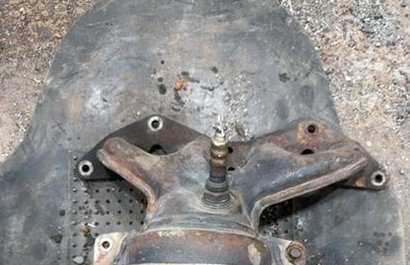
Most people have no idea what's hiding inside a catalytic converter. That small, unassuming canister bolted to your exhaust system contains platinum, palladium, and rhodium — some of the most valuable metals on the planet. In 2026, a single catalytic converter can be worth anywhere from a modest $50 to well over $500 depending on the vehicle and the metals inside. If you're selling scrap in Victoria or anywhere across British Columbia, understanding how scrap yards handle cats could be the difference between a fair payout and leaving serious money on the table.
This case study walks through how the catalytic converter and precious metals process actually works at the yard level — and how platforms like SMASH are changing what sellers can expect.
Why Catalytic Converters Are the Most Misunderstood Scrap Item at Any Junkyard Near Me in Victoria
Walk into most scrap yards and ask what your cat is worth. Nine times out of ten, you'll get a vague number or a flat rate that doesn't reflect what's actually inside the unit. That's not always the yard's fault — assaying precious metals requires lab testing, and most small yards don't have that capability in-house. But it does create a real information gap between what a seller receives and what the metals are actually worth on the market.
Catalytic converters contain three primary precious metals: platinum (Pt), palladium (Pd), and rhodium (Rh). The concentrations vary significantly based on the vehicle make, model, year, and engine size. A catalytic converter from a late-model diesel truck is a very different unit from one pulled off a compact sedan from the early 2000s. This is exactly why serial number tracking and proper documentation matter so much — and why selling blind to a single buyer rarely works in your favour.
- Platinum: Used primarily in diesel vehicle converters
- Palladium: Common in gasoline engine converters; experienced significant price swings in recent years
- Rhodium: Rare, expensive, and highly variable — even small quantities have outsized value
- Ceramic substrate: The honeycomb core that holds the metals — its condition affects recovery rates
If you're searching for a junkyard near me Victoria to unload a batch of cats, the first question to ask isn't just "what do you pay?" It's "how do you price them?" A yard that offers a blanket per-unit price is likely averaging across all units — which benefits them, not you.
How Reputable Scrap Yards Actually Process Precious Metals
The journey from a catalytic converter on your truck to a precious metals payout is more involved than most sellers realize. Here's how a proper process looks at an established recycling facility:
- Intake and identification: The converter is logged by serial number or VIN lookup when vehicle-specific. Photo documentation is captured at this stage. This protects both buyer and seller and helps verify the unit's identity against known price databases.
- Sorting and grading: Units are separated by type — domestic, foreign, diesel, small foreign, large foreign, and specialty categories. Each grade has a different precious metal loading. A high-grade foreign converter from a luxury vehicle commands a premium over a small domestic unit.
- Decanning or direct assay: Larger operations decant the ceramic substrate from the steel shell, then either send material to a toll refiner or sample it in-house. Smaller yards typically consolidate loads and ship to a processor who assay and pays out on actual metal recovery.
- Settlement: Payment is issued based on the assay results — the confirmed platinum, palladium, and rhodium content in the processed lot. This can take days to weeks depending on the processor and the size of the batch.
The gap between what a yard pays you upfront and what the actual assay returns is where margin lives. That's not inherently predatory — yards carry risk between purchase and assay settlement. But it does underscore why competitive pricing and transparency in the buying process benefit sellers.
Platforms like compare scrap metal bids from Canadian buyers through an auction format precisely because competition tends to surface better price discovery on high-value items like catalytic converters and non-ferrous metal loads.
Scrap Yard Prices Victoria: What Drives the Numbers on Cats and Precious Metals
When sellers look up scrap yard prices Victoria, they often find generic guides that don't reflect real conditions. Here's what's actually moving prices in 2026:
Global precious metal markets are the biggest factor. Platinum, palladium, and rhodium are traded internationally. Price swings of 10–20% over a quarter are not unusual. What a buyer pays for your cats today reflects where the refiner's book sits, not just what the yard wants to pay. This volatility is exactly why locking in with a single buyer on a bad week costs you — and why getting multiple offers on the same day matters.
Vehicle type and origin matter enormously. Catalytic converters from European and Japanese vehicles — common in markets like Victoria, British Columbia where import vehicles are prevalent — often carry higher precious metal loads than older North American domestic units. A yard that treats all cats the same is leaving value on the table for both parties.
Condition of the substrate is a real factor. A cracked, rattling, or de-cored converter is worth significantly less. Sellers who document condition upfront — with photos and serial numbers — tend to have cleaner transactions and fewer disputes at settlement time.
Regulatory environment also plays a role. British Columbia has seen tightening regulations around catalytic converter sales documentation in recent years, aimed at curbing theft. Reputable yards will ask for ID and vehicle ownership. This is a feature, not a friction point — it keeps the supply chain clean and protects legitimate sellers. You can read Canadian scrap yard guides for more detail on what documentation to bring when selling cats in BC.
A Real-World Scenario: Selling a Load of Cats the Old Way vs. the SMASH Way
Consider a small auto dismantler operating out of a facility in Victoria who regularly accumulates catalytic converters from end-of-life vehicles. Under the old process, this operator would call their regular buyer, get a per-unit quote, load the cats, drop them off, and receive a check. Simple — but limited.
The problem: that single buyer sets their price based on their own margin requirements and current book. The seller has no visibility into competing offers. There's no way to know if the price quoted reflects actual market conditions or just what the buyer needs to pay that week to hit their own targets. Over a year's worth of loads, this gap can add up to real money.
Now consider the same operator using a scrap metal auction platform. The load is documented — serial numbers, photos, unit count by type. The inventory is uploaded. Multiple vetted buyers review the lot and submit competing bids. The seller sees what the market actually thinks the load is worth on that specific day. No subscription fees. The platform only earns when the seller does. Find a scrap yard near you in Canada through scrap-yard-near-me.ca, and for higher-value loads, let competition do the pricing work for you.
SMASH was built exactly for this. The platform's serial tracking, photo documentation tools, and vetted buyer network exist specifically because high-value non-ferrous items — cats, cores, and specialty metals — deserve more than a single phone call and a handshake price. Whether you're operating in Victoria or selling from a yard in Toronto, the dynamic is the same: more buyers means better price discovery.
What to Bring When Selling Catalytic Converters at a Scrap Yard Near Me in British Columbia
If you're planning to sell catalytic converters — whether individually or as a commercial load — preparation matters. British Columbia's documentation requirements for cat sales are among the more rigorous in Canada. Walking in prepared saves time and prevents rejected loads.
- Government-issued photo ID — required by most licensed yards in BC
- Vehicle title or registration if the converter came from a specific vehicle you own
- Bill of lading (BOL) for commercial loads — document the unit count, grades, and origin
- Serial numbers where legible — these help buyers price accurately and reduce disputes
- Photos of the load condition, especially for high-value or specialty units
Yards that ask for nothing should raise a flag. Legitimate facilities follow the documentation chain not just for legal compliance, but because it protects the integrity of the transaction. Locate the closest Canadian scrap yard through scrap-yard-near-me.ca to find verified facilities that handle cats and precious metals properly.
For larger commercial volumes, connecting directly with SMASH — where buyers compete for vetted, documented loads — can streamline the process while ensuring the market sets your price, not a single buyer's appetite that day.
Whether you're an individual who pulled a converter off your own vehicle or a dismantler in Victoria sitting on a pallet of mixed cats, Victoria scrap metal services are more accessible than ever. Use the tools available. Document your material. Don't settle for the first number you hear.
Frequently Asked Questions
Q: How do I know if I'm getting a fair price for my catalytic converter at a scrap yard in Victoria?
The best way is to get more than one quote on the same day. Prices shift with precious metal markets, so a quote from Tuesday may not reflect Friday's conditions. Documenting your units by serial number and type gives buyers more confidence and typically produces more accurate pricing. Platforms like SMASH allow multiple vetted buyers to bid on your load, which helps reveal the market rate rather than relying on a single offer.
Q: Why do scrap yard prices in Victoria vary so much for catalytic converters?
Because no two cats are the same. Precious metal loading varies by vehicle make, model, year, and origin. A converter from a late-model European import carries different metals than one from a domestic compact car. Yards that don't sort and grade properly tend to flatten everything to an average — which benefits the buyer. Understanding what you have before you sell is the first step to a better outcome.
Q: Do I need paperwork to sell a catalytic converter at a junkyard near me in Victoria?
Yes. British Columbia regulations require scrap yards to collect identification and, in many cases, documentation showing lawful possession of the converter. This includes government-issued photo ID and vehicle registration or title if applicable. Commercial sellers should have a bill of lading. This paperwork requirement is standard at reputable yards and protects legitimate sellers.
Q: What is a scrap metal auction platform and how does it help sellers?
A scrap metal auction platform like SMASH connects sellers — yards, dismantlers, and commercial recyclers — with a network of vetted buyers who compete for loads through a bidding process. Instead of calling one buyer and accepting their price, sellers can list documented loads and receive competing offers. This creates price discovery through competition rather than negotiation with a single party. There are no subscription fees; the platform earns only when a sale completes.
Q: Can I sell car parts and catalytic converters at the same scrap yard near me in British Columbia?
Many full-service yards handle both vehicle parts and catalytic converters, though not all yards are equipped to properly grade and price precious metals. It's worth calling ahead to confirm their capabilities before hauling a load. For higher-value non-ferrous materials like cats, cores, and specialty metals, verifying that the yard has a documented pricing process — or using a platform like SMASH to access multiple buyers — protects you from leaving value behind.
If you're sitting on catalytic converters or a mixed non-ferrous load and wondering where to start, the answer isn't a single cold call to your nearest yard. Get documentation in order, understand what you have, and let competition do the pricing work. Find a trusted scrap yard near you in Canada — check locations at scrap-yard-near-me.ca and connect with verified facilities that handle precious metals the right way.
For ongoing scrap metal market insights, industry news, and updates on how the recycling landscape is evolving across North America, follow SMASH on LinkedIn — it's worth knowing what the market is doing before you sell your next load.
Disclaimer: Metal prices fluctuate based on global commodity markets. All price references in this article are general in nature. Always verify current rates directly with buyers or through market indices before making selling decisions.