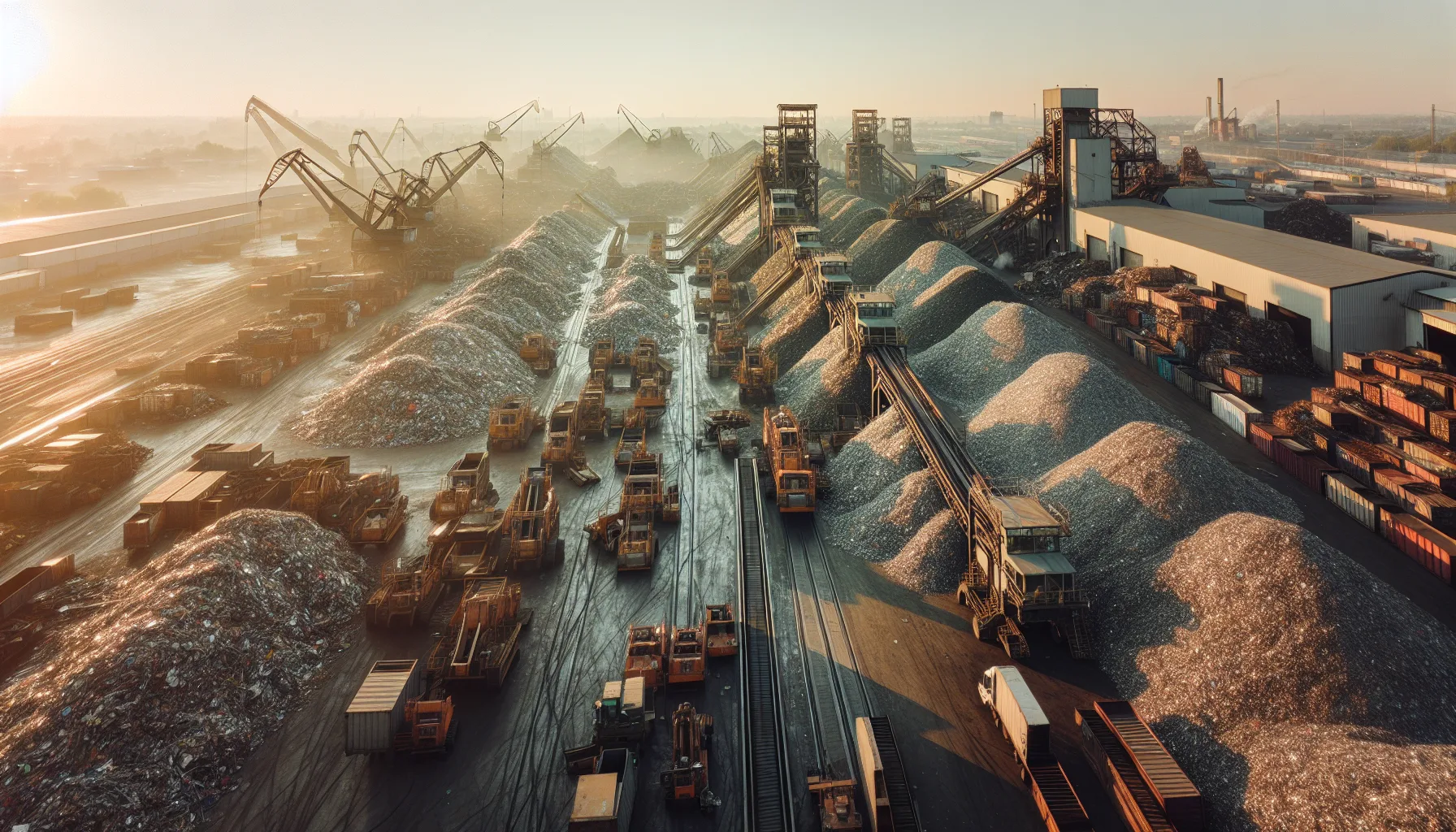
Every day, Canadian scrap yards process over 14 million tons of metal waste through sophisticated sorting systems that transform rusty car parts into valuable raw materials. Understanding how these facilities operate can help you get better prices when selling your scrap metal and choose the right scrap yard near me Winnipeg for your specific materials.
Modern scrap yards use a combination of manual sorting, magnetic separation, and advanced technology to categorize metals by type and grade. This process directly impacts what you'll earn for your materials — whether you're selling a catalytic converter, copper wire, or an entire vehicle.
How Scrap Yards Receive and Inspect Incoming Materials
The sorting process begins the moment you drive through the gates of a scrap metal yard Winnipeg facility. Staff conduct visual inspections to identify obvious material types and check for hazardous substances that require special handling. They look for items containing mercury, lead paint, or refrigerants that need separate processing protocols.
Weight measurement happens immediately using certified truck scales. This initial weighing establishes baseline tonnage before processing begins. Staff also photograph high-value items like catalytic converters to document condition and verify authenticity during the sorting phase.
Documentation requirements vary by material type. Vehicle sellers need ownership papers, while businesses bringing industrial scrap must provide waste manifests. These records help yards maintain regulatory compliance and establish clear chain of custody for valuable metals.
Quality assessment determines processing routes. Clean copper wire goes directly to high-grade bins, while contaminated materials head to cleaning stations. This early categorization streamlines the entire sorting operation and maximizes recovery rates.
Magnetic Separation: The First Line of Metal Sorting
Powerful electromagnets represent the workhorses of scrap yard operations across Manitoba. These systems separate ferrous metals (containing iron) from non-ferrous materials in seconds. Conveyor-mounted magnets lift steel and iron pieces automatically, creating the first major material category.
Overhead magnets handle larger items like car bodies and appliances. These industrial-strength systems can lift several tons of ferrous material simultaneously. The separated steel goes directly to designated storage areas for eventual shipment to steel mills.
Magnetic separation removes approximately 70% of incoming materials at most facilities. This dramatic reduction allows staff to focus manual sorting efforts on the remaining non-ferrous metals where expertise makes the biggest difference in value recovery.
Advanced facilities use eddy current separators to further refine non-ferrous materials. These systems create magnetic fields that repel aluminum and copper, allowing gravity to separate different metal types automatically.
Manual Sorting Techniques for High-Value Non-Ferrous Metals
Experienced sorters identify metals using visual cues, weight differences, and simple tests. Copper's distinctive reddish color makes it easy to spot, while aluminum's lightweight properties distinguish it from other metals. Staff test questionable items using file marks, magnet responses, and color changes from chemical indicators.
Catalytic converters receive special attention due to their valuable platinum group metals. Sorters examine serial numbers, manufacturer markings, and internal honeycomb structures to determine precious metal content. This detailed inspection helps facilities offer competitive prices when you sell catalytic converters online through platforms like SMASH.
Wire sorting requires particular expertise. Sorters strip insulation to reveal pure copper, separate different copper grades, and identify aluminum wiring that looks similar to copper. This process significantly increases material value compared to mixed wire pricing.
Brass and bronze items get sorted by composition percentages. Red brass (85% copper) commands higher prices than yellow brass (60% copper). Experienced sorters use color variations and weight differences to make these distinctions accurately.
Advanced Technology in Modern Scrap Processing
X-ray fluorescence (XRF) analyzers provide instant metal composition analysis. These handheld devices identify exact alloy percentages in seconds, ensuring accurate sorting of stainless steel grades, aluminum alloys, and specialty metals. The technology eliminates guesswork and maximizes material values.
Optical sorting systems use cameras and artificial intelligence to identify materials by color, shape, and surface characteristics. These systems excel at separating aluminum cans from other materials and distinguishing different plastic types attached to metal components.
Density separation tables use water and air currents to separate metals by weight differences. Lighter materials float while denser metals sink, creating clean separations between aluminum, copper, and lead materials.
Infrared spectroscopy identifies material composition through molecular signatures. This technology proves especially valuable for separating similar-looking alloys and identifying contaminated materials that require different processing approaches.
Quality Control and Grade Classification Systems
Scrap yards classify metals using industry-standard grades that determine market prices. Number 1 copper wire (bright and clean) sells for premium prices, while Number 2 copper (oxidized or contaminated) receives lower valuations. These grade distinctions directly impact what you earn for your materials.
Quality control checkpoints throughout the sorting process catch misclassified materials. Random sampling and re-testing ensure grade accuracy before materials enter final storage areas. This quality assurance protects both yard profitability and customer satisfaction.
Documentation systems track material grades from initial inspection through final shipment. Digital records help yards maintain consistent grading standards and provide transparency for customers questioning their material classifications.
Regular calibration of testing equipment ensures measurement accuracy. XRF analyzers and scales receive daily verification checks against known standards. This maintenance protects against equipment drift that could affect sorting accuracy or customer payments.
Environmental and Safety Protocols During Processing
Environmental protection measures govern every aspect of scrap processing in Winnipeg and throughout Canada. Facilities capture and treat runoff water to prevent soil contamination. Dust collection systems protect air quality during shredding and processing operations.
Hazardous material identification prevents dangerous substances from entering standard recycling streams. Mercury switches, PCB-containing transformers, and radioactive materials require specialized handling procedures. Staff training includes recognition techniques for these problematic items.
Safety protocols protect workers during sorting operations. Personal protective equipment requirements include safety glasses, steel-toed boots, and cut-resistant gloves. Regular safety meetings address specific hazards associated with different material types.
Regulatory compliance involves multiple government levels. Provincial environmental regulations, federal transportation rules, and municipal zoning requirements all impact facility operations. Regular inspections ensure ongoing compliance with evolving standards.
When you need to locate the closest Canadian scrap yard, understanding these sorting processes helps you prepare materials for maximum value. Platforms like SMASH make it easy to connect with facilities that use advanced sorting technology and fair grading practices. Whether you're selling individual items or clearing out an entire property, knowing how yards process different metals helps you choose the right facility and get competitive prices for your materials. For ongoing insights about metal recycling and market conditions, read Canadian scrap yard guides that keep you informed about industry developments.
Frequently Asked Questions
Q: How long does the sorting process take at a typical scrap yard near me in Winnipeg?
Most scrap yards can process and sort standard materials within 30-60 minutes of arrival. Complex items like catalytic converters or mixed electronic waste may require additional time for proper identification and grading. Large loads or contaminated materials can extend processing time to several hours.
Q: Do Winnipeg scrap yards sort materials differently than facilities in other parts of Canada?
Sorting processes remain largely consistent across Canada due to standardized industry practices and federal regulations. However, Manitoba facilities may emphasize certain materials based on local industrial demand and transportation logistics to processing mills.
Q: Can I improve my scrap metal prices by pre-sorting materials before bringing them to the yard?
Yes, pre-sorting significantly increases your earnings. Separating copper from aluminum, removing steel attachments from non-ferrous metals, and cleaning materials removes processing costs that yards typically deduct from your payment. Clean, sorted materials always command premium prices.
Q: What happens to materials that can't be properly identified during sorting?
Unknown or contaminated materials typically get classified at the lowest applicable grade until proper identification occurs. Some facilities may refuse questionable materials entirely if they pose safety or environmental risks. This is why choosing reputable yards with advanced testing equipment proves beneficial.
Q: How do scrap yards ensure accurate sorting when processing large volumes of mixed metals?
Modern facilities use multiple sorting stages including magnetic separation, manual inspection, and technology-assisted identification. Quality control checkpoints and random sampling catch misclassified materials. SMASH scrap platform connects you with yards that maintain high sorting standards and transparent grading practices.
Find a trusted scrap yard near you in Canada — check locations at scrap-yard-near-me.ca to connect with facilities that use advanced sorting technology and offer competitive prices for your materials.
Follow SMASH on LinkedIn for industry updates and scrap metal market insights.