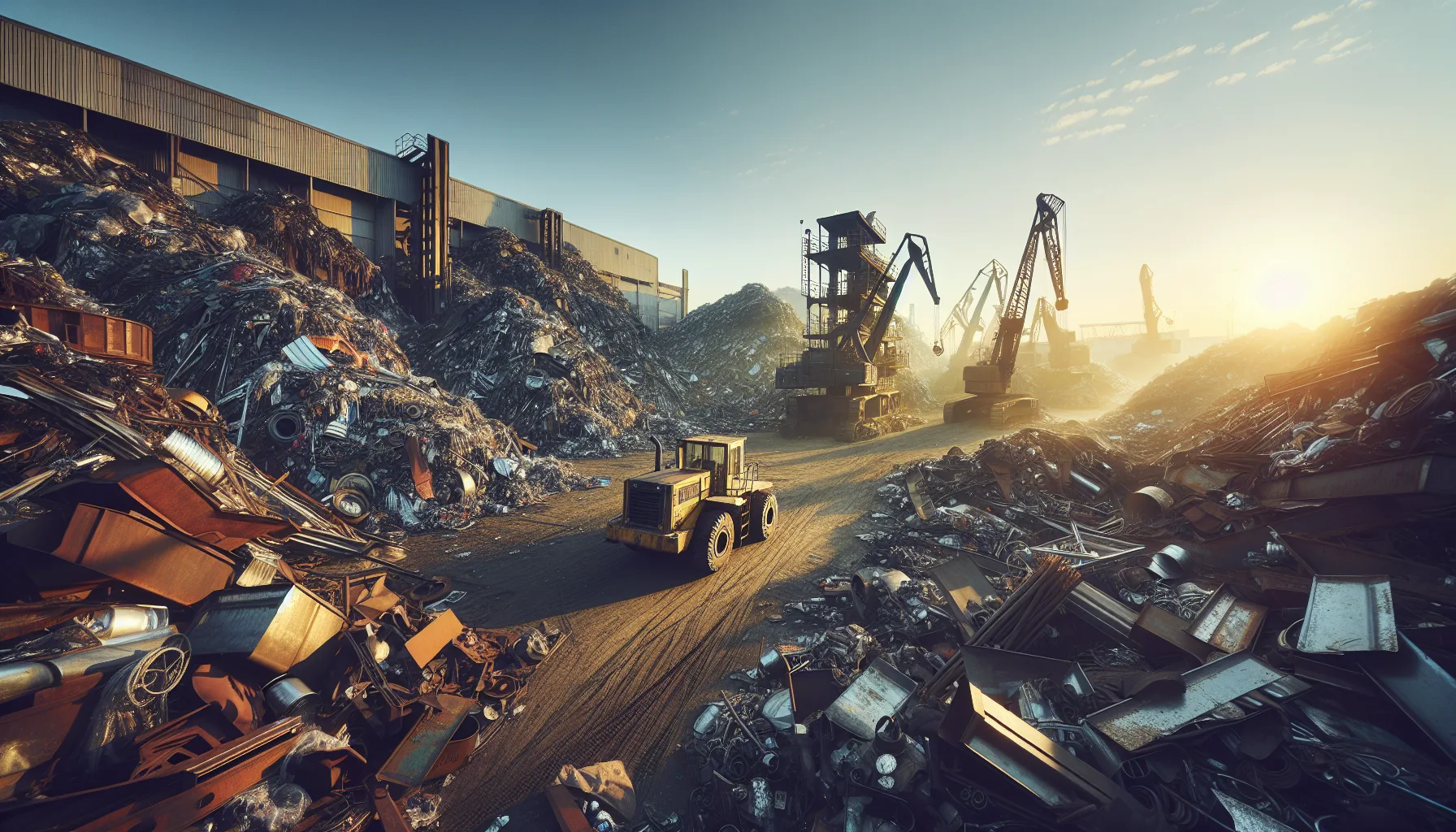
Walking into a scrap metal yard with the wrong materials can cost you time, money, and serious frustration. Nearly 40% of first-time scrappers arrive with items that yards simply cannot accept, turning a profitable trip into a wasted afternoon. Understanding what scrap metal yards take — and what they absolutely refuse — makes the difference between a smooth transaction and an embarrassing rejection at the gate.
Finding the right scrap metal yard St. John's residents can trust starts with knowing their acceptance policies inside and out. Not all scrap yards operate the same way, and what one facility welcomes with open arms, another might turn away completely. This comprehensive guide breaks down exactly what materials scrap yards accept, what they reject, and how to prepare your items for maximum value.
What Scrap Yards Readily Accept: The Profitable Materials
Most scrap yards across Canada build their business around a core list of highly valuable metals and materials. These items move quickly through their processing systems and command strong market prices throughout 2026.
Ferrous Metals (Iron and Steel-Based) represent the bread and butter of most scrap operations. Car bodies, appliances, structural steel, cast iron pipes, and steel beams fall into this category. These materials are magnetic and typically weigh significant amounts, making them profitable despite lower per-pound prices. A typical refrigerator weighs 200-250 pounds and contains roughly 75% recyclable steel.
Non-Ferrous Metals command premium prices and scrap yards actively seek these materials. Copper wire, aluminum cans, brass fittings, stainless steel cookware, and lead pipes generate the highest returns. Copper prices in 2026 range from $8-12 per pound for clean wire, while aluminum averages $1.50-2.25 per pound depending on grade and cleanliness.
When you need to find a scrap yard near you in Canada, these materials guarantee acceptance at virtually every facility. Local scrap yard St. John's operations particularly value clean, separated metals that require minimal processing before resale.
Catalytic converters remain extremely valuable, though most yards now require proof of ownership due to theft concerns. Expect to show vehicle registration or purchase receipts when selling these high-value items. Legitimate scrap yards in Newfoundland and Labrador follow strict documentation requirements to combat catalytic converter theft.
Automotive Parts and Vehicles: What Works and What Doesn't
Complete vehicles represent major revenue streams for scrap yards, but not every car qualifies for acceptance. Most facilities require clear titles, valid identification, and proof of ownership before processing any vehicle.
Accepted Automotive Items:
- Complete cars, trucks, and motorcycles with proper documentation
- Engines and transmissions (cast iron and aluminum)
- Radiators and heat exchangers
- Wheels and rims (aluminum and steel)
- Exhaust systems and mufflers
- Brake rotors and drums
- Battery cables and wiring harnesses
Vehicle batteries deserve special mention because they contain both valuable lead and hazardous acid. Most scrap yards pay $15-25 per battery and handle proper disposal of the acid components. Some facilities offer battery exchange programs for regular customers.
Rejected Automotive Components typically include anything containing fluids, hazardous materials, or difficult-to-process plastics. Gas tanks require complete draining and certification before most yards accept them. Tires face rejection at most scrap facilities because rubber recycling requires specialized equipment and processes.
Platforms like SMASH connect sellers with scrap metal yards open today that specialize in automotive materials, ensuring you find facilities equipped to handle your specific items properly.
Household Items and Appliances: The Good, Bad, and Complicated
Home renovations and appliance replacements generate steady streams of scrap metal, but not everything from your house qualifies for scrap yard acceptance.
Welcome Appliances:
- Refrigerators and freezers (after proper refrigerant removal)
- Washing machines and dryers
- Water heaters and boilers
- Stoves and ovens
- Air conditioning units (with refrigerant recovery)
- Dishwashers and garbage disposals
Large appliances contain substantial amounts of steel, copper, and aluminum. A typical washing machine yields 150-200 pounds of recyclable metal. However, appliances containing refrigerants require professional removal of these substances before scrap yards accept them. Never attempt refrigerant removal yourself — it requires EPA certification and proper equipment.
Smaller household items like pots, pans, tools, and metal furniture generally find acceptance, especially when properly sorted by metal type. Copper plumbing fixtures command premium prices, while cast iron bathtubs and radiators provide excellent weight-based returns.
Problematic Household Items include anything with significant plastic components, electronic circuit boards, or mixed materials difficult to separate. Old computers and electronics often get rejected because extracting valuable metals requires specialized processing beyond most scrap yard capabilities.
Industrial and Commercial Materials: High-Value Opportunities
Businesses generate some of the most valuable scrap materials, and yards actively court commercial accounts for their consistent, high-volume streams.
Premium Industrial Materials:
- Structural steel beams and girders
- Industrial copper wire and cable
- Stainless steel process equipment
- Aluminum extrusions and sheet
- Brass and bronze fittings
- Heavy machinery components
- Metal roofing and siding
Construction and demolition projects produce enormous quantities of recyclable metal. A single commercial building demolition can yield 100-500 tons of structural steel. Smart contractors establish relationships with local scrap yards to maximize returns on these materials.
Industrial equipment often contains exotic metals like titanium, inconel, or specialized alloys that command exceptional prices. However, proper identification requires expertise — mixed loads of unknown alloys might face rejection until properly sorted and identified.
A B2B scrap metal marketplace like SMASH helps businesses connect with yards specializing in specific industrial materials, ensuring optimal pricing for specialized alloys and high-volume loads.
What Scrap Yards Absolutely Will Not Accept
Understanding rejection criteria saves time and prevents potentially dangerous situations at scrap facilities. These restrictions exist for safety, legal, and practical processing reasons.
Hazardous and Regulated Materials:
- Radioactive materials and medical devices
- Asbestos-containing materials
- PCB-contaminated transformers and capacitors
- Mercury-containing devices
- Pressurized tanks and cylinders
- Materials contaminated with chemicals or oils
These materials require specialized disposal through licensed hazardous waste facilities. Attempting to bring radioactive or asbestos-contaminated materials to regular scrap yards violates federal regulations and creates serious liability issues.
Items That Damage Equipment:
- Concrete-filled steel posts or structures
- Materials with excessive dirt, grease, or foreign substances
- Extremely rusty or corroded metals
- Mixed materials difficult to separate
- Items containing significant amounts of plastic or rubber
Scrap yards operate expensive shredding and processing equipment that concrete, excessive dirt, or hard plastics can damage. Clean preparation of materials before delivery significantly improves acceptance rates and pricing.
When you locate the closest Canadian scrap yard, call ahead to verify their current acceptance policies. Requirements change based on market conditions, equipment availability, and regulatory updates.
Preparation Tips for Maximum Acceptance and Value
Proper preparation transforms questionable materials into welcomed inventory. Smart preparation also maximizes your returns and streamlines the selling process.
Cleaning and Sorting Strategies:
- Remove all non-metal components (plastic, rubber, fabric)
- Separate metals by type (ferrous vs. non-ferrous)
- Clean excessive dirt, grease, or corrosion
- Cut oversized items to manageable pieces
- Remove fluids from automotive components
- Strip insulation from copper wire for premium pricing
Clean copper wire commands $8-12 per pound, while wire still wrapped in insulation drops to $3-5 per pound. The extra preparation time pays substantial dividends, especially for larger quantities.
Documentation becomes crucial for high-value items or large loads. Maintain receipts, titles, and proof of ownership for vehicles, catalytic converters, and expensive equipment. Legitimate scrap yards require this documentation and suspicious items might face rejection regardless of value.
SMASH simplifies the preparation process by connecting sellers with yards that specialize in specific material types. Rather than guessing what each facility accepts, you can find the best price for your scrap in Canada while confirming acceptance policies upfront.
Market timing affects both acceptance and pricing. Scrap yard near me prices fluctuate based on global commodity markets, local demand, and seasonal factors. Spring and summer typically see higher construction-related scrap volumes, while winter brings more automotive and appliance materials.
Building relationships with reliable yards in St. John's creates long-term advantages. Regular customers often receive priority service, better pricing, and flexibility on borderline materials that might face rejection from unknown sellers.
Understanding what scrap yards accept and reject transforms potentially frustrating experiences into profitable transactions. Whether you're clearing out a garage, demolishing a building, or running a business with regular scrap generation, knowing these acceptance criteria ensures smooth operations and maximum returns. For comprehensive information about scrap yard policies and current market conditions, you can read Canadian scrap yard guides that provide detailed insights into regional variations and industry best practices.
Finding a trusted scrap yard near you in Canada becomes simple when you understand what they need and what they cannot handle — check locations at scrap-yard-near-me.ca for facilities that match your specific materials and requirements.
Frequently Asked Questions
Q: Do scrap yards in St. John's accept catalytic converters without a vehicle title?
Most legitimate scrap yards require proof of ownership for catalytic converters due to theft concerns. You'll need vehicle registration, purchase receipts, or other documentation proving legal ownership. Some yards may accept converters from licensed auto repair shops with proper business documentation.
Q: What's the difference between prepared and unprepared scrap metal pricing?
Prepared scrap metal has been cleaned, sorted, and stripped of non-metal components, commanding premium prices. Unprepared materials contain attachments, dirt, or mixed metals that reduce value by 20-40%. The extra preparation time usually pays for itself in higher per-pound rates.
Q: Can I bring old electronics and computers to scrap metal yards?
Most scrap yards reject electronics because extracting valuable metals requires specialized processing equipment. Look for dedicated electronics recycling facilities or programs that handle circuit boards, hard drives, and computer components properly.
Q: How do I find scrap yards that are open on weekends in Newfoundland and Labrador?
Operating hours vary significantly between facilities. Many yards close on Sundays, while Saturday hours are common but shorter than weekdays. Call ahead or check online listings to confirm weekend availability before making the trip.
Q: What should I do if a scrap yard rejects my materials?
Ask specifically why materials were rejected and if preparation changes would make them acceptable. Different yards have varying policies, so rejection at one facility doesn't mean universal rejection. Consider contacting specialized recyclers for unusual materials that general scrap yards cannot handle.
Stay connected with industry trends and market insights by following SMASH on LinkedIn at https://www.linkedin.com/company/scrap-metal-auction-sales-hub for the latest updates on scrap metal markets and recycling opportunities across Canada.