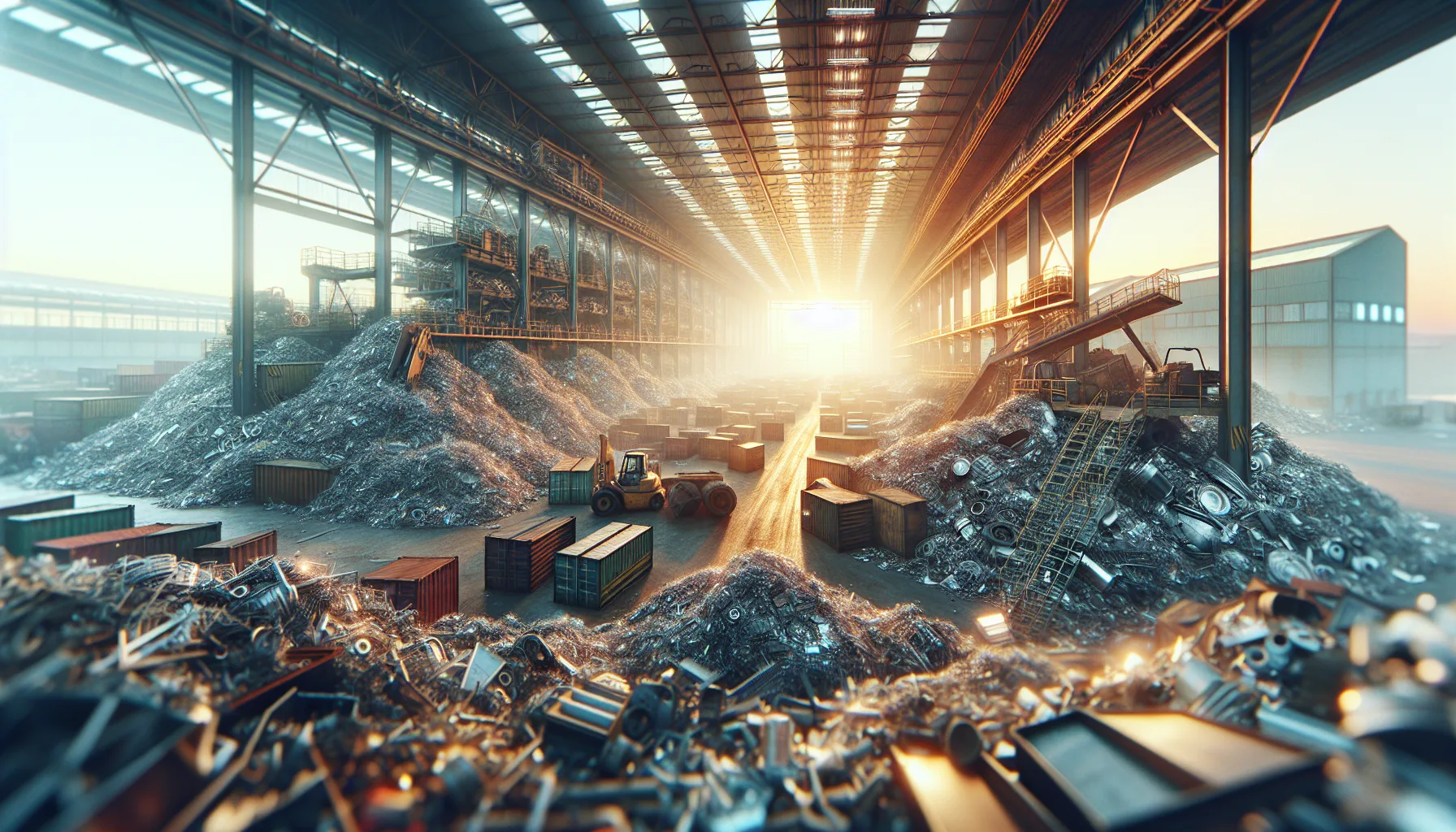
Ever wondered what happens to your copper pipes, aluminum cans, or steel beams after you sell them to a scrap yard? The journey your scrap metal takes after leaving your hands is fascinating and crucial for Canada's circular economy. When you find a scrap yard near you in Canada, you're participating in a sophisticated recycling network that transforms discarded materials into valuable resources. Understanding this process helps you make better decisions about where and when to sell your metal, especially if you're looking to find scrap yard Dartmouth facilities that offer competitive pricing.
The scrap metal recycling industry processes millions of tons of material annually across Canada. Your contribution matters more than you might think.
The Initial Processing Stage at Canadian Scrap Yards
After you sell your scrap metal to a Dartmouth facility, the material enters an immediate sorting and processing phase. Yard workers separate different metal types using magnetic separators, eddy current separators, and manual sorting techniques. Ferrous metals like steel and iron get pulled aside by powerful magnets, while non-ferrous materials like copper, aluminum, and brass require different separation methods.
The sorting process is critical because contamination reduces metal value significantly. Workers remove non-metal attachments like plastic, rubber, or wood. They also separate different grades of the same metal — for instance, clean copper wire commands higher prices than insulated copper cable.
Quality control happens at this stage. Metals get tested for purity levels and classified into industry-standard grades. This classification determines the final sale price to processing facilities or mills. The better the initial sorting, the higher the value retention throughout the supply chain.
Modern Dartmouth scrap yards use advanced technology including handheld XRF analyzers to identify metal composition instantly. This technology ensures accurate sorting and prevents valuable metals from being misclassified or contaminated.
Transportation to Regional Processing Centers
Once sorted and processed, your scrap metal leaves local Dartmouth yards bound for regional processing centers across Nova Scotia and beyond. Transportation logistics play a huge role in the economics of metal recycling. Yards accumulate materials until they have full truckload quantities to maximize shipping efficiency.
Steel typically travels to integrated steel mills or electric arc furnace facilities. Canada has several major steel production centers that rely heavily on scrap metal as feedstock. These facilities prefer receiving large, consistent volumes of properly sorted material.
Non-ferrous metals often travel longer distances to specialized processing facilities. Aluminum might head to smelters in Quebec or Ontario, while copper could travel to refineries in different provinces depending on market conditions and processing capacity.
The transportation network connects small local operations with major industrial facilities. Platforms like SMASH create efficiencies in this system by connecting scrap yards with processors, reducing transportation costs and improving material flow.
What's the Highest Paying Scrap Metal Right Now in 2026?
Copper consistently ranks as one of the highest-value scrap metals, with clean copper wire typically bringing $8-12 per kilogram at Canadian scrap yards in 2026. Brass and bronze follow closely behind, especially clean plumbing fixtures and electrical components. Aluminum pricing varies significantly by grade — clean aluminum sheet commands premium prices while mixed aluminum brings lower rates.
Specialty metals like titanium, nickel alloys, and certain stainless steel grades can bring exceptional prices when available in sufficient quantities. However, these materials are less common in typical household or business scrap streams.
Precious metal content in electronic scrap also drives high values. Computer components, circuit boards, and telecommunications equipment contain recoverable gold, silver, and platinum group metals. The key is finding metal recycling near me Dartmouth facilities equipped to handle electronic waste properly.
Market conditions fluctuate based on global demand, supply chain factors, and industrial production levels. Staying informed about current pricing helps maximize returns when you decide to sell.
Industrial Processing and Refinement
Your scrap metal undergoes intensive processing at industrial facilities designed to return materials to original purity levels. Steel scrap enters electric arc furnaces where temperatures exceed 1,800°C, melting the metal completely while removing impurities through carefully controlled chemical processes.
Aluminum processing involves cleaning, melting, and purification stages that restore the metal to primary-grade specifications. The energy required to recycle aluminum is approximately 95% less than producing new aluminum from bauxite ore, making your recycling contribution environmentally significant.
Copper refinement includes electrolytic processes that achieve 99.9% purity levels. This refined copper becomes the raw material for new electrical wiring, plumbing components, and industrial applications.
Quality control throughout processing ensures recycled metals meet or exceed industry specifications for strength, conductivity, and other performance characteristics. Modern recycling technology produces materials virtually indistinguishable from virgin metals.
Back into the Manufacturing Supply Chain
Processed metals re-enter manufacturing supply chains as raw materials for new products. Your old copper pipes might become wiring in new construction projects. Steel from demolished buildings transforms into rebar for concrete reinforcement or new structural steel.
The B2B scrap metal marketplace connects processors with manufacturers efficiently. Digital platforms streamline transactions and improve material tracking throughout the supply chain. SMASH facilitates these connections, ensuring recycled materials reach appropriate end users quickly.
Manufacturers increasingly prefer recycled metal feedstock because it reduces environmental impact while maintaining quality standards. Many companies have sustainability targets that drive demand for recycled content in their products.
The circular economy model keeps materials in productive use indefinitely. Your decision to locate the closest Canadian scrap yard contributes directly to this sustainable system.
Understanding the complete recycling journey helps you appreciate the value of proper metal disposal. Whether you're clearing out a renovation project or managing industrial waste, finding reputable facilities that offer the best scrap metal prices ensures your materials enter this system efficiently. For more detailed information about recycling processes and market trends, read Canadian scrap yard guides or visit smashrecycling.ca for industry insights.
Ready to participate in Canada's metal recycling network? Find a trusted scrap yard near you in Canada — check locations at scrap-yard-near-me.ca to connect with facilities that will properly process your materials through this remarkable supply chain.
Frequently Asked Questions
Q: What's the highest paying scrap metal right now?
Copper consistently offers the best returns, especially clean copper wire at $8-12 per kilogram in 2026. Brass, bronze, and specialty stainless steel grades also command premium prices at Canadian scrap yards.
Q: What are current scrap prices near me in Dartmouth?
Scrap prices fluctuate daily based on global markets. Contact local Dartmouth scrap yards directly for current pricing, as rates vary by facility and material grade. Most yards update prices weekly or bi-weekly.
Q: How long does the recycling process take from scrap yard to new product?
The timeline varies by metal type and processing facility capacity. Steel recycling typically takes 2-6 weeks from yard collection to new product manufacturing, while specialty metals may require longer processing periods.
Q: Do scrap yards in Dartmouth handle all metal types?
Most Dartmouth facilities accept common metals like steel, aluminum, and copper. Specialty metals or hazardous materials may require specific facilities with appropriate processing capabilities and environmental permits.
Q: What happens to contaminated scrap metal?
Contaminated materials undergo additional cleaning processes or may be downgraded to lower-value applications. Severe contamination can make materials unsuitable for recycling, emphasizing the importance of proper preparation before sale.
Follow SMASH on LinkedIn for industry updates and scrap metal market insights.