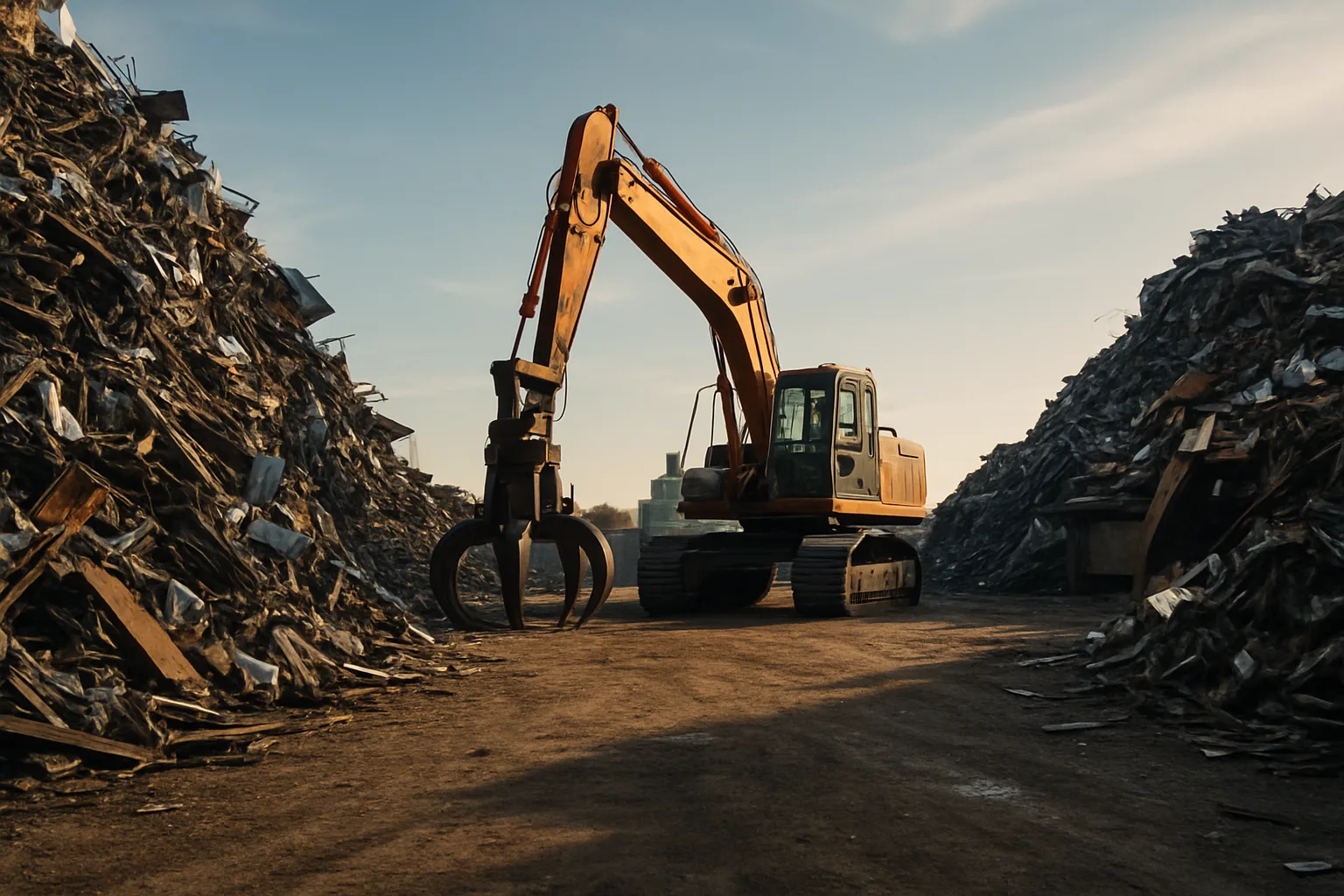
What Every Surrey Driver Should Know Before Visiting a Junkyard Near Me
Most people pulling into a scrap yard are thinking about one thing: what their old car or pile of metal is worth. What they rarely think about is the regulatory framework keeping that yard from becoming an environmental disaster. In British Columbia, that framework is real, detailed, and actively enforced — and it directly affects which yards are worth your time and which ones you should avoid.
If you've been searching for a junkyard near me Surrey, understanding what a legitimate, compliant yard looks like will help you make a smarter decision. Not every yard operating in the Lower Mainland meets the same standard. Here's what the rules actually require — and why it matters to you as a seller.
Why Environmental Regulations at Auto Recycling Yards in Surrey Actually Matter to Sellers
It's easy to assume environmental compliance is someone else's problem — the yard's, the government's. But when you bring a vehicle or a load of scrap metal to an auto recycling yard Surrey that cuts corners, you expose yourself to real risk. Vehicles contain hazardous fluids: engine oil, transmission fluid, coolant, brake fluid, refrigerants, and battery acid. Tires, catalytic converters, and airbag modules all carry specific end-of-life handling requirements under provincial law.
In British Columbia, the Environmental Management Act and its associated regulations set the baseline for how these materials must be handled, stored, and disposed of. Yards that ignore these rules can face fines, closure orders, or prosecution — and in some cases, sellers who knowingly use non-compliant facilities have faced liability questions of their own. Choosing a compliant yard isn't just the right thing to do. It's the practical thing to do.
- Fluid management: All hazardous fluids must be drained and stored in approved containers before vehicle crushing or dismantling.
- Freon recovery: Air conditioning refrigerants must be recovered by a certified technician — not vented to atmosphere.
- Battery handling: Lead-acid batteries must be sent to an approved recycler, not landfilled.
- Tire disposal: British Columbia's Tire Stewardship Program governs how tires must be managed at end of life.
- Mercury switches: Older vehicles contain mercury-bearing components that require separate collection under the Electrical and Electronic Equipment and Mercury-Containing Lamp Regulation.
A yard that checks these boxes isn't just compliant — it's telling you something about how it operates overall. That professionalism usually carries through to how they document loads, weigh materials, and communicate pricing.
British Columbia's Regulatory Environment: What Scrap Yards Must Do
British Columbia maintains one of the more rigorous provincial frameworks for auto recyclers and scrap metal facilities in Canada. Yards must hold the appropriate environmental permits under the Environmental Management Act, maintain spill containment infrastructure, and keep records of hazardous waste disposal. Inspections by the B.C. Ministry of Environment and Climate Change Strategy are not unusual, especially for larger operations in dense urban areas like Surrey.
Surrey itself is one of the fastest-growing cities in Metro Vancouver, and its industrial zones host a significant concentration of auto salvage and metal recycling operations. That density means regulatory scrutiny is higher here than in many rural areas. The Fraser River watershed runs through the region, and stormwater runoff from improperly managed yards is a documented concern. Responsible yards invest in impermeable surfaces, drainage controls, and secondary containment — infrastructure that costs real money but protects the surrounding community.
Beyond provincial requirements, Surrey yards must also comply with municipal zoning bylaws, Metro Vancouver's air quality management regulations, and federal requirements under the Canadian Environmental Protection Act where applicable. For sellers, the practical implication is simple: a yard that's been operating in good standing for years in Surrey has demonstrated it can navigate this landscape. A newer yard with no compliance history is a bigger question mark.
What to Look for at an Auto Salvage Yard in Canada Before You Sell
When you're researching auto salvage yards Canada-wide or just trying to find a scrap yard open today near me, a few quick checks can tell you a lot about whether you're dealing with a professional operation.
First, ask about fluid removal. Any legitimate yard will drain all fluids before processing a vehicle. If they're vague about this or wave it off, that's a red flag. Second, look at the yard itself. Properly managed sites have defined vehicle storage areas, clear drainage, and organized material separation — ferrous and non-ferrous metals are kept separate, catalytic converters are logged, and batteries are staged for proper pickup. A yard that looks like chaos usually runs like chaos.
- Ask if the yard is a Licensed Dismantler — in B.C., auto recyclers must hold a valid business licence and comply with provincial environmental permits.
- Check for ARC Canada membership — the Automotive Recyclers of Canada sets voluntary standards that go beyond minimum compliance.
- Confirm they issue proper documentation — a bill of lading, vehicle purchase receipt, or packing list for metal loads. This protects you if questions arise later.
- Verify their scrap metal pricing process — transparent yards post their pricing or explain how scrap metal prices today are determined. Vague or verbal-only pricing is a warning sign.
- Ask how they handle cats and cores — catalytic converter and core purchases should come with documented serial tracking. No documentation means no accountability.
Platforms like SMASH Recycling — where verified buyers bid on your metal apply these standards at the transaction level. Buyers on the SMASH platform are vetted, loads are documented with photos and packing lists, and the auction format creates competitive pricing — not a single take-it-or-leave-it offer from one buyer who may or may not be operating by the book.
How Compliance Connects to Scrap Metal Prices and Price Transparency
Here's something most sellers don't connect: environmental compliance and price discovery are related. When a yard is operating properly — draining fluids, sorting materials accurately, documenting loads — it's also operating with better internal data. That data makes pricing more accurate and more defensible. A yard that knows exactly what it has, documented and sorted, can go to market with confidence. A yard running loose doesn't know what it has, and that uncertainty almost always comes out of the seller's pocket.
When you're checking scrap metal prices today and comparing offers from multiple yards, compliant yards tend to provide cleaner, more consistent quotes. They've invested in scales, documentation systems, and buyer relationships. Non-compliant yards often offer lower prices because their costs are lower — they're not paying for proper disposal, certified fluid recovery, or documentation infrastructure. That price difference isn't a deal. It's a cost being externalized to the environment and, eventually, to the community.
If you want to understand the full picture on pricing before you sell, read Canadian scrap yard guides that break down how metal prices are set, what affects them, and how to prepare a load that gets you the best outcome.
Finding a Compliant Junkyard Near Me in Surrey the Right Way
Surrey has no shortage of scrap metal facilities — from large auto salvage operations along Fraser Highway to smaller non-ferrous dealers throughout the industrial areas. The challenge isn't finding a yard. It's finding one you can trust to operate properly, pay fairly, and document the transaction in a way that protects you.
Start your search by looking for yards with verifiable operating histories and clear documentation practices. If you're dealing with a vehicle, ask upfront whether the yard handles the title transfer and B.C.'s Vehicle Registration cancellation process — a compliant yard will know exactly what that means. For metal loads, ask for a weigh ticket and a packing list before you agree to a price. These aren't unusual requests. Any professional operation will have these ready.
For Surrey scrap metal services, look for facilities that can handle both ferrous and non-ferrous materials, have a clear process for catalytic converters and batteries, and can tell you their current buy prices without hesitation. Transparency at the front end is a good indicator of how the whole transaction will go.
If you're ready to find a scrap yard near you in Canada or want to compare options across the Lower Mainland, using a directory that pre-screens for compliant operations saves you the research. And if you're moving volume — loads of non-ferrous, a bulk of cats, or a larger industrial cleanout — SMASH brings vetted buyers to you. Competition reveals the market. One buyer guessing at your price doesn't.
The scrap metal industry in British Columbia is moving toward greater accountability on environmental standards, pricing transparency, and transaction documentation. The yards that will be operating five years from now are the ones investing in compliance today. When you locate the closest Canadian scrap yard that meets those standards, you're not just protecting the environment — you're protecting your own interests as a seller.
Find a trusted scrap yard near you in Canada — and make sure it's one operating by the rules. Check locations and verified facilities at scrap-yard-near-me.ca.
Frequently Asked Questions
Q: What environmental rules must a junkyard near me in Surrey follow?
Scrap yards and auto recyclers in Surrey must comply with British Columbia's Environmental Management Act, which covers hazardous fluid management, spill containment, battery and tire disposal, and mercury switch recovery. They also must meet Metro Vancouver air quality standards and municipal zoning requirements. Yards operating in Surrey face regular inspections from provincial and regional authorities.
Q: How do I know if an auto recycling yard in Surrey is operating legally?
Ask whether the yard holds a valid business licence and the appropriate environmental permits under B.C. law. You can also check whether they're members of the Automotive Recyclers of Canada, which sets standards beyond minimum compliance. A legitimate yard will have no issue answering these questions directly.
Q: Does a compliant yard affect the scrap metal prices I'll receive?
Compliance generally correlates with better documentation and more accurate pricing. Yards that properly sort, weigh, and document materials tend to offer more consistent and competitive quotes. Discount pricing from non-compliant yards often reflects costs they're not paying — for fluid disposal, certified handling, and proper documentation — not a better deal for the seller.
Q: What documents should a scrap yard provide when I sell metal or a vehicle?
For metal loads, you should receive a weigh ticket and a packing list or bill of lading. For vehicles, the yard should provide a purchase receipt and assist with or confirm the B.C. vehicle registration cancellation process. If a yard can't produce these, look elsewhere.
Q: Is there a scrap yard open today near me in Surrey that I can verify quickly?
Hours vary by facility, so the fastest way to confirm is to call ahead or check the yard's listing through a Canadian scrap yard directory. Many Surrey-area yards operate Monday through Saturday, with some closed on Sundays or statutory holidays. Using a service like scrap-yard-near-me.ca lets you filter by location and confirm current operating status without calling multiple facilities.
Stay current on scrap metal market conditions and industry updates — follow SMASH on LinkedIn for insights that matter to yards and sellers across North America.