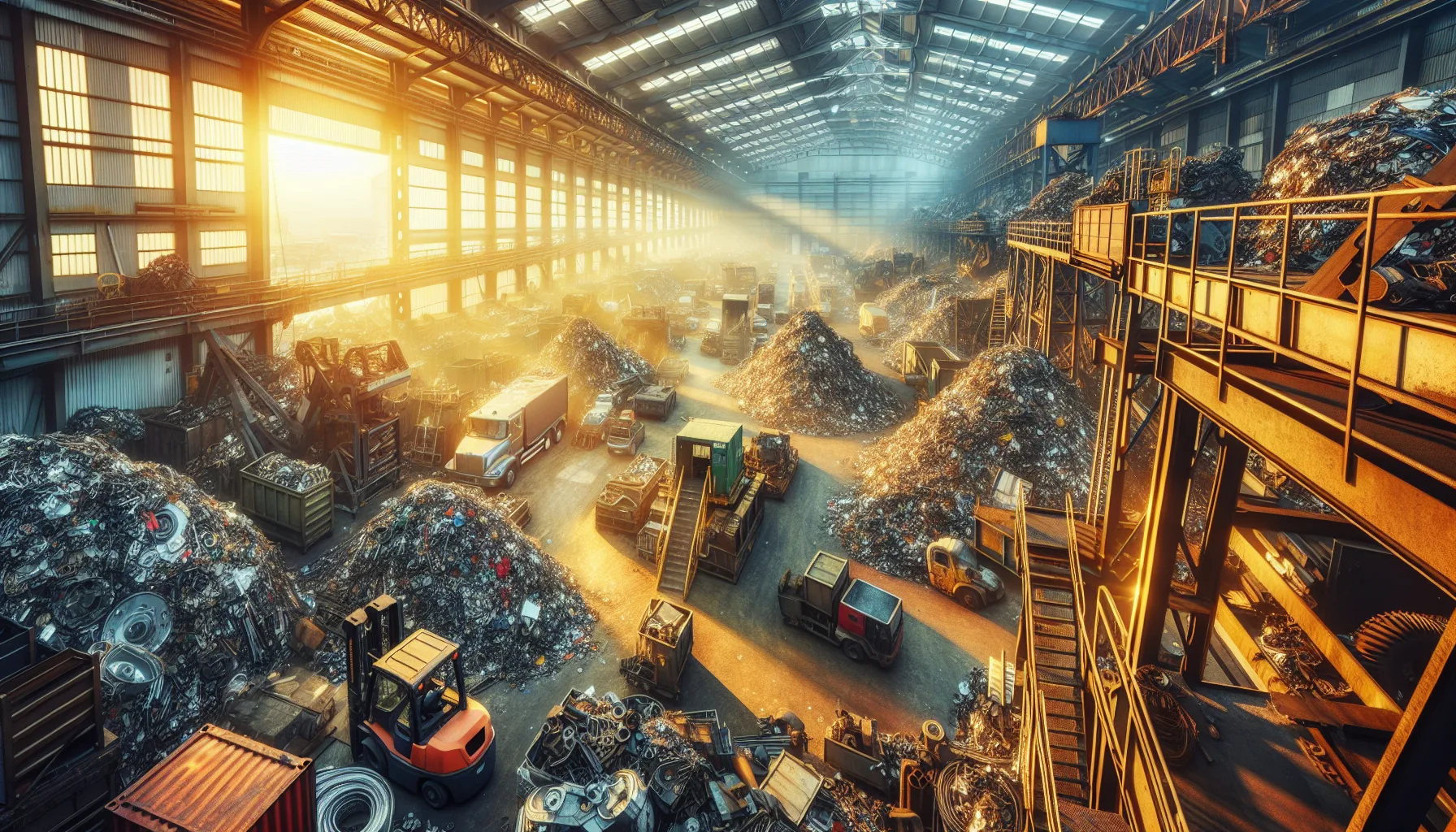
Finding a scrap metal buyer near me London connects you to something much bigger than a simple transaction. You're participating in Canada's circular economy — a system where materials flow continuously through use, recovery, and regeneration instead of following the traditional take-make-waste model. Scrap yards serve as critical infrastructure in this cycle, transforming discarded metals into valuable resources for new manufacturing.
The circular economy represents a fundamental shift in how we view waste. Instead of viewing old appliances, vehicles, and metal structures as trash, this system recognizes them as material banks waiting for their next life cycle. Find a scrap yard near you in Canada and you'll discover facilities that power this sustainable transformation daily.
How London's Scrap Yards Drive Material Recovery
London, Ontario sits at the heart of a thriving metal recovery network that processes thousands of tons annually. Local scrap yards collect everything from copper wire to steel beams, sorting and preparing these materials for reprocessing into new products. This system reduces the need for virgin metal extraction, which requires significantly more energy and environmental resources.
The process starts when you bring materials to facilities offering competitive scrap yard prices London residents can rely on. Workers sort metals by type and grade, removing contaminants that could affect quality. Advanced separation technologies extract valuable metals from complex items like electronics and automotive parts. Clean, sorted metals then travel to mills and foundries where they become raw materials for new manufacturing.
This local processing keeps materials within regional supply chains longer. A refrigerator recycled in London might become steel for construction projects across Ontario, reducing transportation costs and emissions while supporting local economic activity.
Environmental Benefits of Metal Recycling Networks
Metal recycling through established scrap yard networks delivers measurable environmental advantages. Recycling aluminum uses 95% less energy than producing new aluminum from bauxite ore. Steel recycling reduces energy consumption by approximately 74% compared to virgin steel production. These energy savings translate directly into reduced greenhouse gas emissions.
The impact extends beyond energy savings. Scrap metal recycling Canada operations prevent millions of tons of materials from entering landfills annually. Metals don't decompose in landfills — they simply occupy space indefinitely. By diverting these materials to productive reuse, scrap yards preserve landfill capacity for truly non-recyclable waste.
Water conservation represents another significant benefit. Virgin metal production requires substantial water for mining and processing operations. Recycling dramatically reduces water consumption while avoiding the water pollution often associated with mining activities. Local scrap yards contribute to these broader environmental benefits while serving their immediate communities.
Economic Value Creation Through Circular Metal Markets
Scrap yards function as economic engines within the circular economy, creating value at multiple levels. Individual sellers receive immediate payment for materials that might otherwise become disposal costs. Small businesses benefit from affordable recycled materials that cost less than virgin alternatives. Large manufacturers access steady supplies of secondary raw materials that support their production schedules.
This value creation supports employment across the supply chain. Scrap yards employ sorters, equipment operators, truck drivers, and administrative staff. Transportation companies move materials between collection points and processing facilities. Downstream manufacturers rely on recycled inputs for their operations. The multiplier effect generates economic activity far beyond the initial scrap transaction.
Platforms like SMASH enhance this economic efficiency by connecting sellers with multiple buyers, ensuring competitive pricing that reflects true market value. When you locate the closest Canadian scrap yard, you access this interconnected value network.
Technology Integration in Modern Recycling Operations
Today's scrap yards leverage sophisticated technology to maximize recovery rates and material quality. Optical sorters identify different metal types using spectroscopic analysis, improving separation accuracy while reducing labor costs. Magnetic separators extract ferrous metals from mixed streams. Eddy current separators recover non-ferrous metals like aluminum and copper from complex waste streams.
Digital tracking systems monitor material flows from collection through processing, providing transparency for both sellers and buyers. These systems help facilities optimize their operations while providing customers with documentation for sustainability reporting requirements.
Advanced processing equipment handles increasingly complex products. Electronics contain dozens of different materials requiring specialized separation techniques. Automotive recycling involves careful removal of fluids, plastics, and multiple metal grades. Modern scrap yards invest in equipment and training to handle these challenges effectively.
Building Sustainable Supply Chains Through Local Networks
Strong local scrap networks create resilient supply chains that reduce dependence on distant suppliers. Manufacturers can source recycled materials from nearby facilities, reducing transportation costs and supply chain risks. This local sourcing supports regional economic development while minimizing the carbon footprint of material transportation.
The reliability of local scrap supply encourages manufacturers to design products with recycled content in mind. This design consideration creates demand for recycled materials, strengthening the entire circular system. Read Canadian scrap yard guides to understand how these supply relationships develop and evolve.
Quality assurance programs ensure recycled materials meet manufacturing specifications consistently. Scrap yards implement testing protocols and certification processes that give manufacturers confidence in recycled inputs. This quality focus enables higher-value applications for recycled metals, increasing the economic incentive for recycling participation.
SMASH facilitates these supply relationships by connecting verified scrap yards with manufacturers seeking reliable material sources. This platform approach builds trust and transparency throughout the supply chain, supporting the growth of circular economy principles in Canada's metal sectors.
The circular economy depends on robust networks of collection, processing, and distribution facilities working together seamlessly. When you need to recycle metals in London or anywhere across Ontario, you're connecting to this larger system that transforms waste into resources. Get competitive bids for your scrap in Canada and experience how modern recycling markets create value for everyone involved.
Understanding your role in this circular system helps you make informed decisions about metal disposal and recycling. Find a trusted scrap yard near you in Canada — check locations at scrap-yard-near-me.ca to connect with facilities that support both your immediate needs and Canada's sustainable future.
Frequently Asked Questions
Q: How do scrap yards contribute to Canada's circular economy goals?
Scrap yards serve as essential infrastructure for material recovery and reuse, preventing metals from entering landfills while supplying recycled inputs to manufacturers. They create closed-loop systems where today's waste becomes tomorrow's raw materials, reducing dependence on virgin resource extraction.
Q: What makes London, Ontario important for metal recycling networks?
London's central location in Ontario provides access to major manufacturing centers and transportation networks. The city's diverse industrial base generates steady supplies of recyclable metals while supporting strong demand for recycled materials from local manufacturers.
Q: How do modern scrap yards ensure material quality for recycled metals?
Today's facilities use advanced sorting technologies, quality testing protocols, and certification processes to ensure recycled metals meet manufacturing specifications. Digital tracking systems provide transparency throughout the processing chain, building confidence in recycled material quality.
Q: What environmental benefits do local scrap metal buyers provide?
Local scrap buyers reduce transportation emissions by processing materials close to their source. They prevent metals from entering landfills, conserve energy compared to virgin metal production, and reduce water consumption associated with mining operations.
Q: How can I find reliable scrap yard prices in London for my metals?
Contact multiple local facilities to compare pricing, or use platforms like SMASH that connect you with verified buyers offering competitive rates. Prices fluctuate based on market conditions, metal grades, and quantities, so checking current rates ensures fair compensation.
Follow SMASH on LinkedIn at https://www.linkedin.com/company/scrap-metal-auction-sales-hub for the latest industry updates and insights into Canada's evolving scrap metal markets.