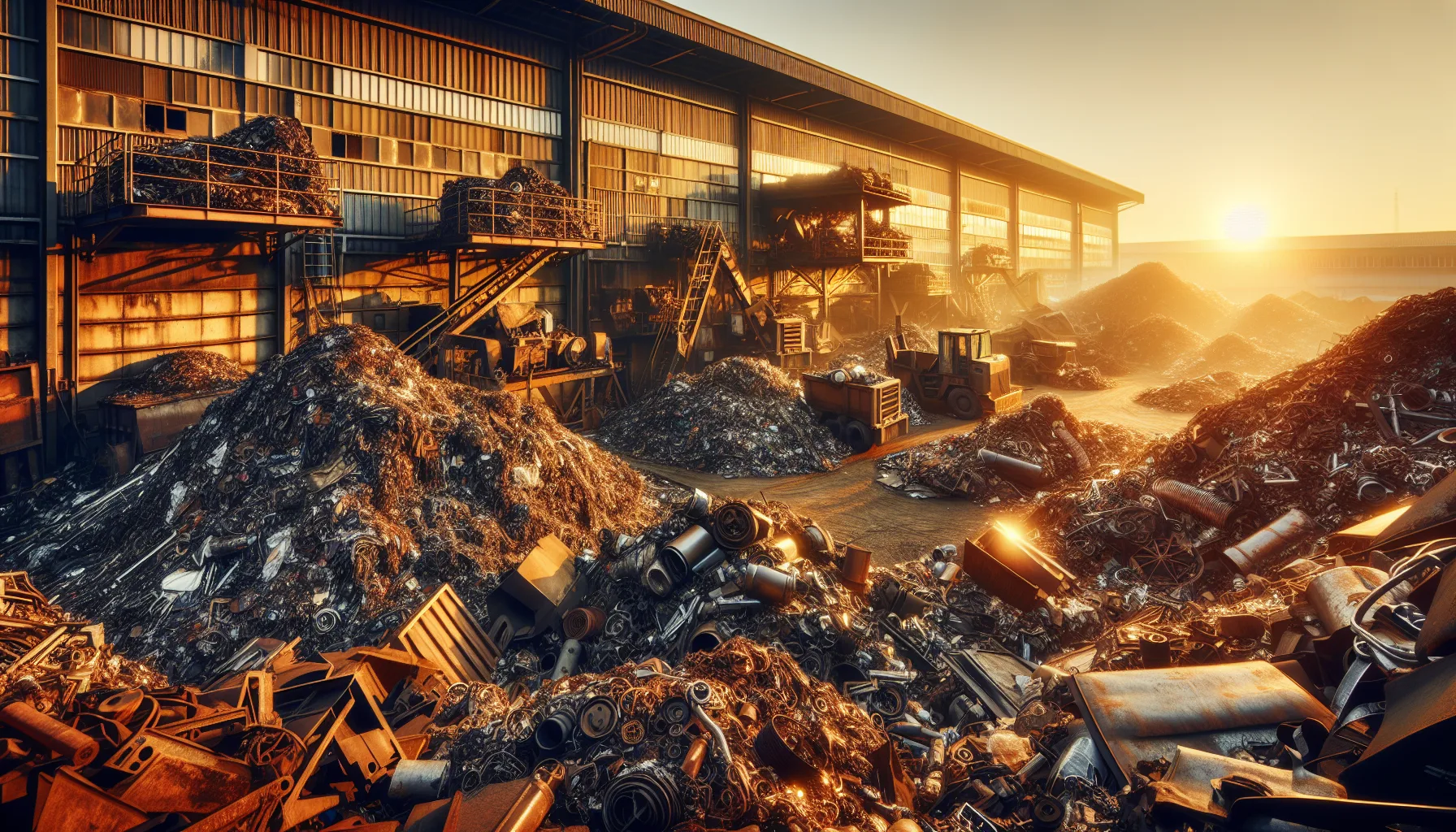
2026 Scrap Metal Market Analysis: A Richmond Success Story
When Sarah Chen started collecting copper pipes from renovation projects in Richmond last year, she never imagined turning scrap metal into a profitable side business. Today, her story illustrates the powerful trends reshaping Canada's scrap metal market in 2026. Copper scrap prices have become increasingly volatile, creating both opportunities and challenges for recyclers across British Columbia.
Sarah's journey began when copper prices surged 15% in early 2026, driven by massive infrastructure investments and electric vehicle battery demand. She noticed construction sites in Richmond discarding valuable copper wire and plumbing materials. Instead of watching this metal go to waste, she started collecting it systematically.
Her first month yielded 200 pounds of clean copper wire, earning her $1,800 at current market rates. But Sarah quickly learned that timing the market requires understanding broader economic forces. Platforms like SMASH helped her track price fluctuations and find a scrap yard near you in Canada that offered competitive rates for her growing inventory.
Understanding Copper Price Volatility in 2026
The copper market has experienced unprecedented swings throughout 2026. Industrial demand from renewable energy projects pushed prices to multi-year highs in February, then geopolitical tensions caused a sharp correction in March. Sarah learned to monitor these patterns through industry reports and pricing apps.
Key factors driving copper scrap prices include:
- Electric vehicle production - Each EV contains 80-100 pounds of copper wiring
- Solar panel installations - Massive government incentives increased copper demand
- Infrastructure rebuilding - Aging power grids require extensive copper replacement
- Supply chain disruptions - Mining delays create artificial scarcity
Sarah's breakthrough came when she realized copper grades matter enormously. Clean, bright copper wire commands premium prices, while oxidized or contaminated material sells for 30-40% less. She invested in proper sorting equipment and storage methods to maintain metal quality.
By month three, Sarah expanded beyond copper to include aluminum and brass fixtures. Her systematic approach to locate the closest Canadian scrap yard helped her find facilities specializing in different metals, maximizing her returns across multiple commodities.
The Rhodium Price Phenomenon
While copper formed Sarah's foundation, she discovered that rhodium price movements create unique opportunities for savvy recyclers. Rhodium, primarily found in catalytic converters, reached astronomical values in 2026 due to automotive industry recovery and stricter emission standards.
Sarah partnered with local auto repair shops in Richmond to collect damaged catalytic converters legally. This required proper documentation and working with licensed automotive recyclers, but the rewards justified the extra paperwork. A single converter containing rhodium can yield $200-800 depending on the vehicle type and converter condition.
The rhodium market teaches important lessons about precious metal recycling:
- Authentication matters - Counterfeit converters flood the market
- Legal compliance is critical - Strict regulations govern converter recycling
- Professional partnerships - Working with established shops builds trust
- Price timing - Rhodium prices can swing 50% within months
Sarah's rhodium ventures required more capital and expertise than copper collecting, but generated her highest profit margins. She learned to read market indicators and time her sales during peak demand periods.
Scaling Through Strategic Partnerships
Success in scrap metal recycling Canada requires building relationships across the supply chain. Sarah connected with construction companies, plumbing contractors, and electrical firms throughout Richmond to create consistent material flows. These partnerships provided steady inventory while helping businesses dispose of waste responsibly.
Her networking strategy included:
- Construction site partnerships - Regular pickup schedules for copper and aluminum
- Contractor relationships - Exclusive agreements for renovation waste
- Facility partnerships - Arrangements with multiple scrap yards for competitive pricing
- Transportation logistics - Efficient routes and pickup schedules
SMASH platforms became essential for managing these relationships and tracking market opportunities. Sarah used technology to monitor pricing across different facilities and optimize her selling decisions. This systematic approach transformed her from casual collector to professional recycler.
By year-end, Sarah's operation processed over 5,000 pounds of various metals monthly. Her success attracted other entrepreneurs in Richmond, creating an informal network of recyclers sharing market intelligence and transportation costs.
Technology and Market Intelligence
Sarah's competitive advantage came from embracing technology and data-driven decision making. She tracked copper scrap prices daily, monitored global market trends, and used mobile apps to calculate optimal selling times. This analytical approach separated her from casual recyclers who sold impulsively.
Modern recycling requires understanding complex market forces. Sarah studied factors like Chinese manufacturing demand, US infrastructure spending, and European green energy initiatives. These global trends directly impact local scrap metal prices in British Columbia and across Canada.
Her technological toolkit included:
- Price tracking apps - Real-time metal commodity prices
- Weight calculation tools - Accurate material estimates
- Route optimization software - Efficient pickup and delivery planning
- Market analysis platforms - Industry trends and forecasting
The investment in technology paid dividends through improved efficiency and better pricing decisions. Sarah learned to read Canadian scrap yard guides and industry publications to stay informed about regulatory changes and market opportunities.
Looking Forward: Market Predictions for Late 2026
Sarah's experience provides valuable insights for the remainder of 2026. Copper demand will likely remain strong due to continued infrastructure investment and renewable energy expansion. However, potential economic uncertainty could create pricing volatility requiring careful timing and inventory management.
Emerging trends to watch include increased automation in recycling facilities, stricter environmental regulations, and growing demand for recycled materials in manufacturing. These factors create both challenges and opportunities for individual recyclers and small businesses.
Sarah plans to expand into steel recycling and explore partnerships with demolition companies. Her success demonstrates how understanding market trends, building strategic relationships, and leveraging technology can transform scrap metal collection into a profitable enterprise.
For aspiring recyclers in Richmond and throughout British Columbia, Sarah's story shows that success requires dedication, market knowledge, and professional approach. The scrap metal industry offers real opportunities for those willing to invest time in understanding commodity markets and building sustainable business practices.
Whether you're starting small like Sarah or managing larger volumes, working with experienced facilities makes the difference. When you're ready to turn your scrap metal into profit, get free scrap car pickup across Canada or explore other recycling opportunities. Find a trusted scrap yard near you in Canada — check locations at scrap-yard-near-me.ca.
Frequently Asked Questions
Q: How often do copper scrap prices change in 2026?
Copper scrap prices fluctuate daily based on London Metal Exchange trading and local market conditions. Most Canadian scrap yards update their pricing 2-3 times per week, with significant changes occurring during major market events or supply disruptions.
Q: What factors most influence rhodium price movements?
Rhodium prices are primarily driven by automotive industry demand for catalytic converters, mining supply constraints from South Africa, and investment speculation. In 2026, stricter emission standards and electric vehicle transition have created complex supply-demand dynamics affecting pricing.
Q: Are there specific regulations for scrap metal recycling in Richmond, BC?
Yes, British Columbia requires scrap metal dealers to maintain detailed transaction records, verify seller identification, and report suspicious activities. Richmond may have additional municipal bylaws regarding business licensing and zoning for recycling operations.
Q: How can I find the best scrap metal prices in my area?
Compare prices across multiple facilities, understand different grades and their values, and time your sales during favorable market conditions. Mobile apps and industry websites provide real-time pricing data to help optimize your selling decisions.
Q: What's the minimum amount of copper scrap most yards will accept?
Most Canadian scrap yards accept copper in any quantity, but minimum weights of 10-20 pounds often qualify for better per-pound pricing. Larger quantities (100+ pounds) typically command premium rates due to reduced processing costs.
*Disclaimer: Metal prices fluctuate constantly based on market conditions. Always check current rates with local facilities before making recycling decisions.*