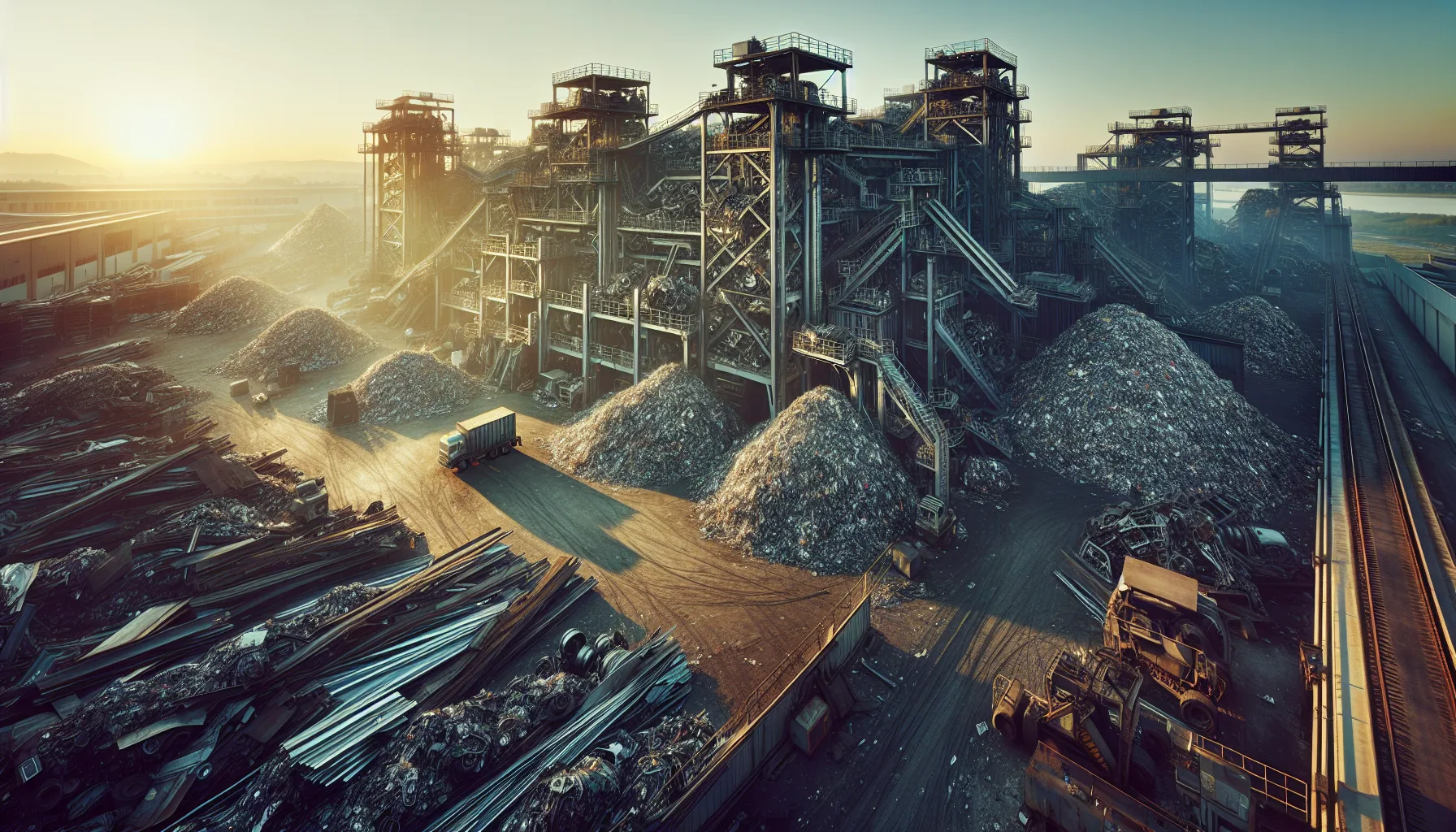
How Auto Parts Transform Into Valuable Recycled Metal
When your vehicle reaches the end of its life, its individual components begin a second journey through Canada's metal recycling system. Auto parts like radiators and alternators contain valuable metals that recyclers extract and process for industrial reuse. Understanding this process helps you maximize returns when you sell scrap metal near me and explains why certain parts command higher prices than others in 2026.
The recycling process starts when junk car buyers near me acquire vehicles and begin systematic dismantling. Professional recyclers separate parts based on metal composition, condition, and market demand. Radiators typically contain copper and aluminum, while alternators house copper windings and steel casings. Each component follows a specific recycling pathway designed to recover maximum metal content.
Current scrap metal prices today reflect strong demand for recycled automotive metals. Copper from radiators trades near historic highs, making these components particularly valuable to Oshawa area recyclers. Aluminum from various auto parts maintains steady pricing due to consistent industrial demand across Ontario's manufacturing sector.
Radiator Recycling: Extracting Copper and Aluminum Gold
Automotive radiators represent one of the most valuable recyclable components in any vehicle. These heat exchangers contain significant quantities of copper and aluminum — two metals commanding premium prices in today's market. The recycling process begins with careful removal to prevent damage to the delicate fin structure.
Professional recyclers use specialized equipment to separate copper tubes from aluminum fins. This separation process requires precision because mixed metals sell for lower prices than segregated materials. Clean copper tubing from radiators can yield substantial returns, while aluminum fins add additional value to the overall package.
The copper content in a typical car radiator ranges from 2-4 pounds, depending on the vehicle size and radiator design. Aluminum content varies widely, with newer radiators containing more aluminum components than older models. Recyclers in Oshawa often see increased radiator volumes during spring months when vehicle owners replace winter-damaged cooling systems.
Processing facilities use magnetic separation, air classification, and water separation to achieve high purity levels. Clean copper recovers at rates exceeding 95%, while aluminum recovery typically reaches 90-93%. These high recovery rates explain why platforms like SMASH connect sellers with recyclers offering competitive radiator prices.
Alternator Recycling: Mining Copper From Electrical Components
Alternators contain valuable copper windings wrapped around electromagnetic cores. These electrical generators also house steel casings, aluminum components, and small amounts of rare earth elements. The recycling process requires careful disassembly to maximize metal recovery and maintain material purity.
The copper content in alternators varies significantly based on amperage rating and manufacturer design. High-output alternators from trucks and commercial vehicles contain more copper than standard passenger car units. Recyclers typically expect 1-3 pounds of recoverable copper from each alternator, plus additional aluminum and steel components.
Specialized recycling facilities use automated disassembly equipment to remove copper windings efficiently. These machines strip insulation and separate copper wire from steel cores in continuous operations. The process recovers copper at purity levels suitable for electrical wire manufacturing — the same copper that powers Ontario's electrical grid expansion projects.
SMASH helps connect alternator sellers with recyclers offering fair market prices for these components. The platform's network includes facilities specializing in electrical component recycling, ensuring sellers receive appropriate compensation for copper-rich parts.
Steel Components: The Foundation of Auto Part Recycling
While copper and aluminum grab attention for their higher per-pound values, steel components represent the largest volume of recyclable material from automotive parts. Alternator cases, radiator brackets, and mounting hardware all contribute steel tonnage to recycling operations. Steel recycling supports Ontario's manufacturing sector, providing raw material for new vehicle production.
Modern recycling facilities use powerful electromagnets to separate ferrous metals from non-ferrous materials. This magnetic separation occurs early in the processing chain, allowing steel recovery without contamination from other metals. Clean automotive steel commands steady pricing due to consistent demand from mills and foundries.
The steel recycling process includes shredding, magnetic separation, and density separation to remove impurities. Automotive steel typically contains fewer contaminants than general scrap, making it valuable feedstock for specialty steel production. Canadian steel mills particularly value this clean automotive scrap for infrastructure and construction projects.
Market Dynamics: Why Auto Part Metal Values Fluctuate
Metal prices fluctuate based on global supply chains, manufacturing demand, and commodity trading patterns. Copper prices respond to electrical infrastructure development, while aluminum pricing follows aerospace and automotive production cycles. Steel values correlate with construction activity and infrastructure spending across Canada.
Seasonal patterns affect auto part recycling volumes and pricing. Spring brings increased radiator replacements, while winter generates more alternator failures. These seasonal variations create opportunities for sellers who time their scrap metal sales strategically. Professional recyclers track these patterns to optimize their purchasing schedules.
Transportation costs significantly impact regional pricing differences. Oshawa's proximity to major highways and rail connections provides access to competitive markets throughout Ontario. This transportation advantage typically translates to better pricing for local scrap metal sellers compared to more remote locations.
When you're ready to find a scrap yard near you in Canada, understanding these market dynamics helps you negotiate fair prices. Platforms like SMASH provide transparency into current pricing trends, helping sellers make informed decisions about when and where to sell their auto parts.
Environmental Impact: Auto Part Recycling's Role in Sustainability
Recycling automotive components significantly reduces environmental impact compared to mining virgin metals. Copper recycling uses 85% less energy than primary copper production, while aluminum recycling saves 95% of the energy required for new aluminum creation. These energy savings translate to reduced carbon emissions across Ontario's industrial sector.
The recycling process prevents toxic materials from entering landfills. Radiator coolant, alternator brushes, and various automotive fluids require proper handling during disassembly. Professional recyclers follow strict environmental protocols to capture and process these materials safely.
Canadian regulations require proper documentation for auto part recycling operations. These requirements ensure materials follow legitimate recycling channels rather than export to countries with lower environmental standards. When you locate the closest Canadian scrap yard, you're supporting domestic recycling infrastructure that meets rigorous environmental standards.
The circular economy benefits from automotive metal recycling extend beyond environmental protection. Recycled metals reduce import dependence and support domestic manufacturing capabilities. This economic resilience becomes increasingly important as global supply chains face ongoing challenges.
For comprehensive information about sustainable recycling practices and current market conditions, you can read Canadian scrap yard guides that detail environmental compliance and best practices. Additionally, if you have a complete vehicle ready for recycling, services that get free scrap car pickup across Canada ensure professional handling of all recyclable components.
Frequently Asked Questions
Q: What auto parts contain the most valuable recyclable metals?
Radiators typically offer the highest value due to their copper and aluminum content. Alternators rank second for copper windings, followed by catalytic converters for precious metals. Air conditioning condensers also contain valuable copper and aluminum components worth recycling.
Q: How do I prepare auto parts for maximum scrap metal value?
Remove all non-metal components like plastic covers, rubber hoses, and fluid reservoirs. Clean parts fetch better prices than dirty ones, but avoid damaging delicate components during cleaning. Separate different metals when possible — mixed metals sell for lower prices than sorted materials.
Q: Are there specific regulations for selling auto parts as scrap metal in Ontario?
Ontario requires identification verification for scrap metal transactions and maintains records for law enforcement purposes. Some components like catalytic converters have additional documentation requirements. Licensed recyclers handle regulatory compliance, so selling to established facilities ensures legal compliance.
Q: How do current scrap metal prices affect auto part values in Oshawa?
Local prices generally follow global metal commodity trends with adjustments for transportation costs and regional demand. Oshawa's location provides good access to Toronto-area recycling facilities, typically resulting in competitive pricing. Market conditions change frequently, so checking current rates before selling maximizes returns.
Q: Should I sell individual auto parts or entire vehicles for scrap?
This depends on your time availability and mechanical knowledge. Separating valuable components like radiators and alternators can increase total returns, but requires tools and expertise. Selling complete vehicles offers convenience and ensures proper handling of all materials, though potentially lower per-pound returns. Find a trusted scrap yard near you in Canada — check locations at scrap-yard-near-me.ca to explore both options and determine the best approach for your situation.