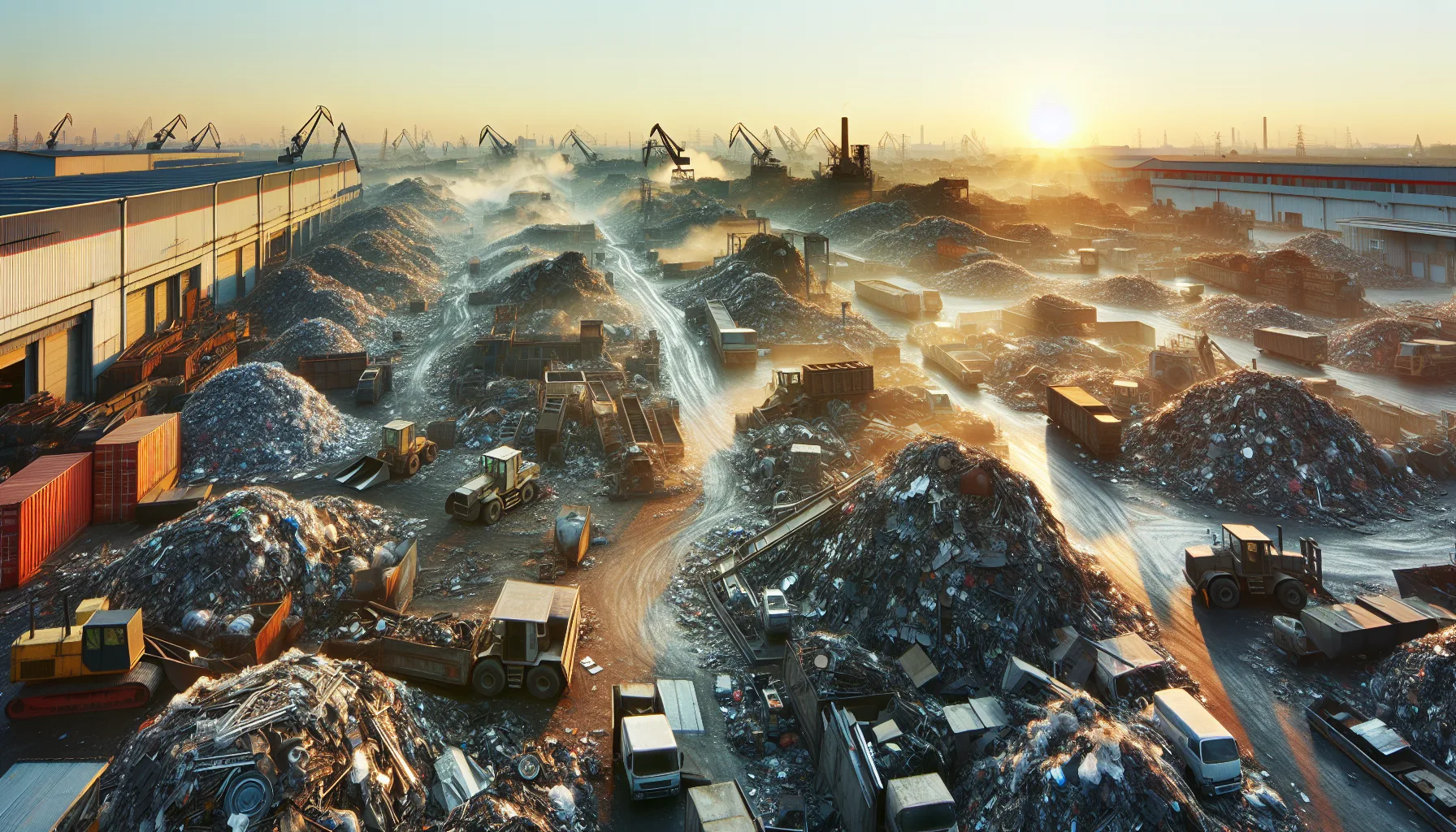
From Your Local Scrap Yard to Global Markets: The Journey of Your Metal
Ever wondered what actually happens to your copper pipes, aluminum cans, or steel appliances after you drop them off at a scrap metal yard in London? The journey your scrap metal takes is fascinating — and understanding it helps you get better prices and make more informed recycling decisions. Your metal doesn't just sit in a pile. It embarks on a complex journey through sorting, processing, and eventually becomes new products you might use every day.
When you deliver scrap to a local scrap yard in London, you're participating in a global recycling network that keeps millions of tons of metal out of landfills while conserving natural resources. The process involves sophisticated machinery, careful quality control, and strategic distribution networks that span continents.
Let's trace the path your metal follows from the moment you hand it over at the yard gate to when it becomes something new and useful again.
Initial Sorting and Classification at London Scrap Yards
The moment your scrap metal arrives at a facility, trained staff begin the sorting process. Different metals command different prices, so accurate identification is crucial for both you and the yard.
Clean copper wire gets separated from insulated copper. Aluminum cans go into different bins than aluminum siding. Steel gets categorized by grade and contamination levels. This initial sorting determines how much you get paid and affects the metal's final destination.
Magnetic separation plays a huge role here. Powerful electromagnets quickly pull ferrous metals (iron and steel) away from non-ferrous options like copper, aluminum, and brass. Modern yards use conveyor systems with automated magnetic separators that can process tons of material per hour.
Quality control happens simultaneously. Staff inspect for contamination — paint, plastic attachments, or other materials that need removal before processing. Clean, properly sorted metal moves faster through the system and commands higher prices at each step.
Platforms like sell your scrap metal on SMASH Recycling help connect sellers with yards that specialize in specific metal types, ensuring your material gets to the right processor from the start.
Processing and Preparation for Transport
Once sorted, your metal undergoes preparation for its next journey. This stage varies dramatically depending on the type of metal and its intended destination.
Shredding and size reduction happens for many materials. Large steel items get fed into massive shredders that break them into uniform pieces. This makes transportation more efficient and prepares the metal for melting at steel mills.
Aluminum cans get compressed into dense bales weighing several hundred pounds each. These bales stack efficiently on trucks and railcars, maximizing transport capacity while minimizing costs.
Copper wire often gets processed through specialized machines that strip insulation and sort by grade. Clean copper commands premium prices, so yards invest in equipment that maximizes the value of every pound.
Documentation and tracking systems record every batch. Modern scrap metal recycling in Canada requires detailed records for regulatory compliance and quality assurance. Each shipment gets tracked from origin to final destination.
When you find a scrap yard near you in Canada, you're connecting with facilities that maintain these sophisticated tracking systems to ensure responsible recycling practices.
Transportation Networks Across Ontario and Beyond
Your processed metal now enters transportation networks that span North America and beyond. Most scrap yards don't operate their own smelting facilities — instead, they serve as collection and preparation hubs in a larger supply chain.
Truck transport handles shorter distances, typically within Ontario or to neighboring provinces. Rail transport becomes economical for longer hauls, especially for high-volume materials like steel scrap heading to mills in Hamilton or other industrial centers.
Some materials travel internationally. Canada exports significant quantities of scrap metal, particularly to Asian markets where demand for raw materials remains strong. Your aluminum cans might eventually become part of new vehicles manufactured overseas.
Logistics coordination ensures steady material flow. Mills and foundries operate on scheduled production cycles, so timing matters. Yards coordinate shipments to arrive when facilities are ready to process them.
Regional processing centers often serve as intermediate stops. A local scrap yard in London might send material to larger facilities in Toronto or Hamilton for further processing before final shipment to end users.
Smelting and Remanufacturing Into New Products
The transformation from scrap to new products happens at specialized facilities designed for specific metal types. Each metal follows a different path based on its properties and intended applications.
Steel mills melt your car parts, appliances, and structural steel in massive electric arc furnaces. These furnaces reach temperatures exceeding 3,000 degrees Fahrenheit, completely melting the metal and burning off impurities. The molten steel gets cast into new shapes — rebar, sheet metal, or structural beams.
Aluminum smelters operate differently, using lower temperatures but requiring significant electrical power. Aluminum's infinite recyclability makes it extremely valuable. Your beverage cans could become new cans, automotive parts, or building materials.
Copper refineries process your pipes and wire into pure copper cathodes. These serve as raw material for new electrical components, plumbing systems, or industrial equipment. Copper's conductivity properties make it irreplaceable in many applications.
Quality control throughout smelting ensures new products meet specifications. Computer-controlled systems monitor temperature, chemistry, and timing to produce consistent results. Your scrap metal becomes part of products that must meet strict safety and performance standards.
When you locate the closest Canadian scrap yard, you're connecting with this sophisticated remanufacturing network that turns waste into valuable new products.
Environmental Impact and Circular Economy Benefits
Understanding your metal's journey reveals significant environmental benefits that extend far beyond simple waste diversion. Recycling scrap metal requires substantially less energy than mining and refining new materials from ore.
Aluminum recycling uses only 5% of the energy needed to produce aluminum from bauxite ore. Steel recycling typically uses 60-75% less energy than primary production. These energy savings translate directly into reduced greenhouse gas emissions.
Resource conservation extends the life of existing materials indefinitely. Your recycled steel could be recycled again and again without degrading its properties. This circular approach reduces pressure on mining operations while conserving natural resources.
Water usage drops dramatically with recycling compared to primary production. Mining operations require enormous quantities of water for processing ore and controlling dust. Recycling operations use fraction of this amount while achieving similar output volumes.
SMASH facilitates these environmental benefits by connecting sellers with responsible recyclers throughout the network. When you read Canadian scrap yard guides, you'll discover how your recycling choices contribute to broader sustainability goals.
Local economic benefits multiply throughout Ontario's recycling industry. Processing facilities provide steady employment while supporting related transportation, equipment, and service industries. Your scrap metal sale contributes to this economic ecosystem.
Frequently Asked Questions
Q: How long does it take for my scrap metal to become a new product after I sell it to a London scrap yard?
The timeline varies by metal type and destination, but typically ranges from 2-8 weeks. Aluminum cans often get processed fastest, sometimes becoming new cans within 60 days. Steel and copper may take longer due to transportation and processing schedules at specialized facilities.
Q: Do London scrap yards process metal locally or ship it elsewhere?
Most local scrap yards in London serve as collection and preparation points rather than full processing facilities. They sort, clean, and prepare materials before shipping to specialized smelters and mills, often in larger industrial centers like Hamilton or internationally.
Q: Can I track what happens to my specific scrap metal after selling it?
While individual tracking isn't typically available for small quantities, reputable yards maintain batch records for regulatory compliance. Some larger commercial customers can request documentation showing their material's destination and processing records.
Q: Does the quality of scrap metal I bring affect where it goes for processing?
Absolutely. Clean, properly sorted metals command higher prices and often go to premium processing facilities. Contaminated or mixed materials may require additional processing steps or go to facilities that specialize in lower-grade materials, affecting both price and processing efficiency.
Q: How does SMASH help ensure my scrap metal gets properly recycled?
SMASH connects sellers with vetted, responsible recycling facilities that maintain proper environmental and processing standards. This network approach ensures your materials reach appropriate processors while maximizing value and environmental benefits throughout the recycling chain.
Your scrap metal's journey from a local London yard to becoming new products demonstrates the sophistication of modern recycling networks. Understanding this process helps you make informed decisions about where and how to sell your materials while contributing to sustainable manufacturing practices. Find a trusted scrap yard near you in Canada — check locations at scrap-yard-near-me.ca to connect with facilities that participate in these responsible recycling networks.
Follow SMASH on LinkedIn for industry updates and scrap metal market insights.