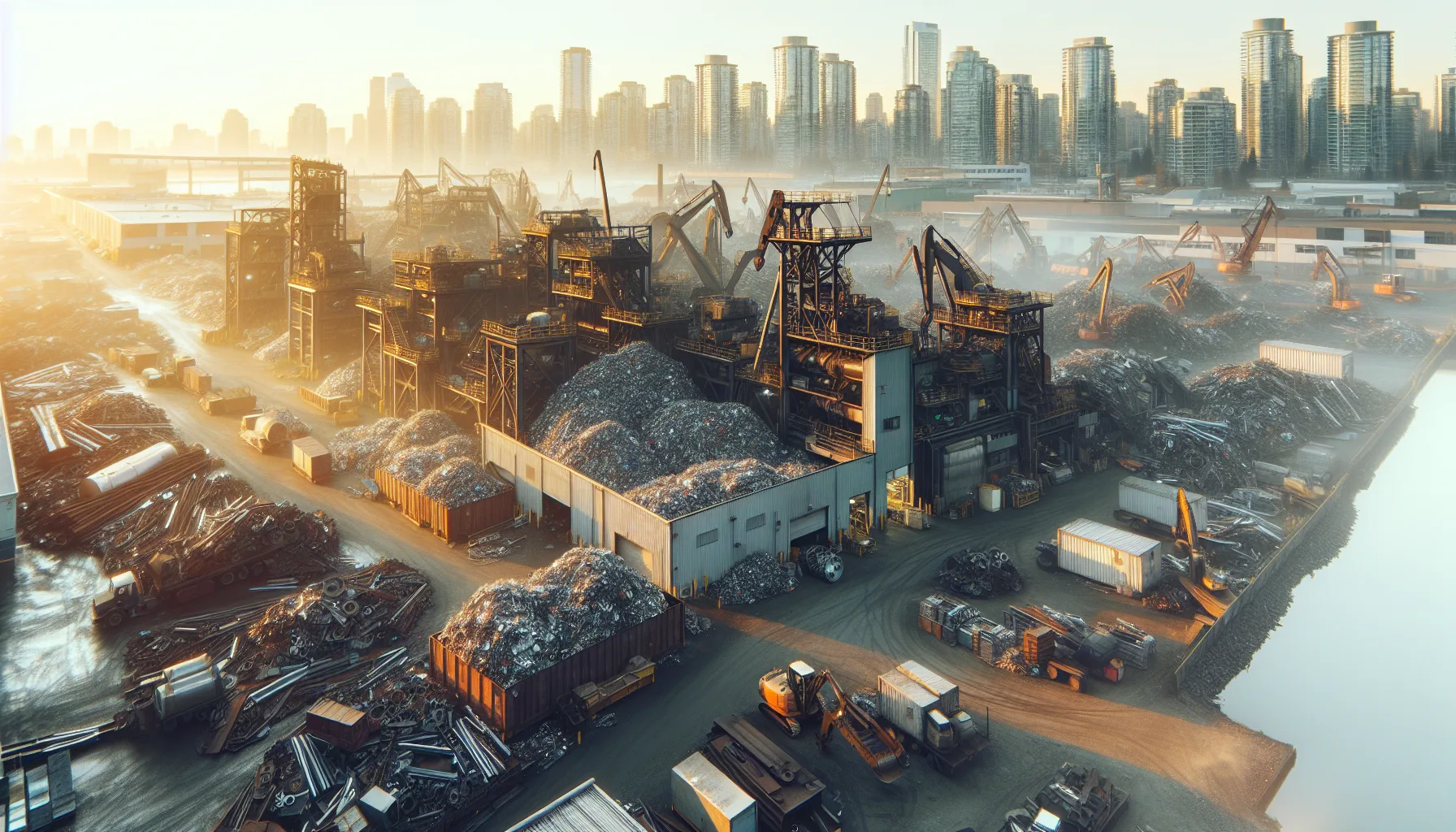
Ever wonder what happens to your copper wiring, aluminum cans, or steel beams after you drop them off at a scrap yard? Understanding the journey of scrap metal from collection to remanufacturing helps you make better decisions when you find scrap yard Burnaby locations and beyond. The recycling process involves sophisticated sorting, processing, and distribution networks that transform your discarded metal into valuable raw materials for new products.
When you deliver scrap metal to a yard, you're participating in one of the world's most efficient recycling systems. Your materials begin a complex journey through multiple processing stages before emerging as new steel beams, aluminum car parts, or copper electrical components.
Initial Sorting and Processing at the Scrap Yard
The moment your metal enters a scrap yard, trained workers begin the sorting process. Different metals require different handling procedures, and yards use various methods to separate materials effectively.
Magnetic separators pull ferrous metals like steel and iron from mixed loads. Workers use handheld analyzers to identify specific alloy compositions, ensuring proper categorization. Non-ferrous metals like aluminum, copper, and brass get sorted into individual grade categories based on purity and composition.
Most established facilities process materials daily to maintain efficiency. Larger items get cut into manageable sizes using hydraulic shears or torches. This preparation stage determines how much value yards can extract from each load, directly affecting the prices they offer to sellers.
In Burnaby and throughout British Columbia, yards often specialize in specific metal types based on local industrial demand. Some focus on construction materials, while others handle automotive scrap or electronic waste containing precious metals.
Transportation to Processing Facilities
Once sorted and prepared, your scrap metal moves to specialized processing facilities. These operations typically handle much larger volumes than individual scrap yards can process internally.
Regional processing centers receive materials from multiple yards across geographic areas. Transportation costs influence which facilities receive specific loads, with yards optimizing routes to maximize profitability. Heavy materials like steel typically move by rail or large truck to minimize per-ton shipping expenses.
Processing facilities often contract with yards for consistent material supplies. This relationship ensures steady inventory flow while giving yards predictable revenue streams. Platforms like SMASH help facilitate these B2B transactions by connecting yards with processors who need specific metal grades and quantities.
The timing between yard collection and facility processing varies by metal type and market conditions. High-demand materials like copper move quickly, while less valuable metals may accumulate for weeks before shipment.
Advanced Processing and Purification
At processing facilities, your scrap metal undergoes intensive refinement procedures. These operations remove contaminants and prepare materials for manufacturing use.
Steel scrap enters electric arc furnaces where temperatures exceed 3,000 degrees Fahrenheit. The melting process burns off paint, coatings, and other impurities while allowing operators to adjust chemical compositions. Quality control testing ensures the resulting steel meets specific manufacturing standards.
Aluminum processing involves different techniques due to the metal's lower melting point. Facilities use reverberatory furnaces to melt aluminum while adding specific alloys to create desired properties. The process removes non-metallic materials and produces ingots ready for rolling or casting operations.
Copper processing often involves multiple refinement stages. Facilities may use pyrometallurgical or hydrometallurgical processes to achieve high purity levels. Electronic scrap containing copper requires additional steps to recover precious metals like gold and silver embedded in circuit boards.
These processing facilities operate under strict environmental regulations. Modern operations capture emissions and treat wastewater to minimize environmental impact. The 2026 Canadian Metal Processing Standards require facilities to maintain specific pollution control equipment and monitoring systems.
Manufacturing Integration and New Products
Processed scrap metal becomes raw material for manufacturing operations across Canada and internationally. Steel mills, aluminum smelters, and specialty metal producers purchase refined materials to create new products.
Steel from scrap metal production supplies construction, automotive, and appliance manufacturing. Your old car becomes structural steel for buildings, while discarded appliances transform into new vehicles. The steel industry uses approximately 70% recycled content in new production, making scrap metal essential for operations.
Aluminum recycling creates materials for beverage cans, automotive parts, and construction applications. The process uses 95% less energy than producing aluminum from ore, making recycled aluminum highly valuable. Your aluminum cans can become new cans within 60 days of recycling.
Copper applications include electrical wiring, plumbing components, and industrial machinery. High-grade copper scrap produces materials equivalent to newly mined copper, while lower grades become alloys for specific applications.
When you search for metal recycling near me Burnaby, you're connecting with this global manufacturing network. Local yards serve as collection points that feed into international supply chains, making your recycling efforts part of worldwide sustainability initiatives.
Market Dynamics and Pricing Influences
The journey from scrap yard to manufacturer involves complex market forces that determine pricing throughout the chain. Understanding these dynamics helps explain why scrap metal prices fluctuate when you visit yards.
Global commodity markets influence local scrap prices daily. Steel prices in Asia affect what Burnaby yards pay for your materials. Currency exchange rates, shipping costs, and international trade policies all impact the value chain.
Processing facility capacity affects pricing timing. When facilities operate at full capacity, they pay premium prices for quality materials. During slower periods, yards may offer lower prices while waiting for favorable market conditions.
SMASH provides transparency into these market dynamics by connecting Canadian scrap sellers with multiple buyers. This competition helps ensure fair pricing while giving yards access to facilities seeking specific materials.
Seasonal demand patterns influence pricing cycles. Construction materials see higher demand during building seasons, while automotive scrap prices respond to vehicle production schedules. Understanding these patterns helps predict optimal selling times.
Quality specifications significantly impact value. Clean, sorted materials command premium prices because they require less processing. Mixed or contaminated loads receive lower prices due to additional separation and cleaning costs.
Environmental Impact and Sustainability Benefits
The scrap metal recycling process delivers substantial environmental benefits that extend far beyond individual transactions. When you participate in scrap metal recycling Canada programs, you contribute to resource conservation and emission reductions.
Metal recycling reduces mining operations needed to extract virgin materials. Steel recycling saves approximately 1,400 pounds of coal and 2,500 pounds of iron ore per ton processed. These savings multiply across the millions of tons recycled annually in Canada.
Energy consumption decreases dramatically through recycling. Aluminum recycling uses 95% less energy than primary production, while steel recycling saves about 74% of energy requirements. These efficiency gains translate into reduced greenhouse gas emissions and lower manufacturing costs.
Water conservation represents another significant benefit. Mining operations require substantial water resources for extraction and processing. Recycling operations use minimal water compared to primary metal production, helping preserve this valuable resource.
The process also reduces landfill waste and associated environmental problems. Metals don't decompose in landfills, taking up space indefinitely. Recycling recovers these materials for productive use while preventing soil and groundwater contamination.
Finding the right facility makes your recycling efforts more effective. When you find a scrap yard near you in Canada, you're supporting local businesses while participating in global sustainability initiatives. Quality yards ensure proper handling and processing, maximizing environmental benefits from your materials.
The comprehensive recycling network connecting yards, processors, and manufacturers creates a circular economy for metal materials. Your decision to recycle contributes to this system's success while generating income and supporting environmental goals. Whether you're in Burnaby or anywhere else in British Columbia, locate the closest Canadian scrap yard to begin this valuable process.
Understanding what happens after you sell creates better recycling decisions. Read Canadian scrap yard guides for more insights into maximizing your recycling efforts. For businesses seeking direct access to processing facilities, Canada's B2B scrap recycling marketplace provides efficient connections to buyers throughout the supply chain.
Frequently Asked Questions
Q: How long does it take for my scrap metal to become a new product?
The timeline varies by metal type and market conditions. Aluminum cans can become new cans within 60 days, while steel may take several months to process through furnaces and manufacturing. High-demand materials move faster through the system than specialty alloys requiring specific processing schedules.
Q: Do scrap yards in Burnaby send materials internationally?
Yes, many Canadian scrap yards export materials to international processing facilities, particularly in Asia. However, domestic processing has increased significantly, with many materials staying within Canada for manufacturing. The destination depends on current market prices and processing capacity.
Q: Why do scrap metal prices change so frequently?
Scrap metal prices reflect global commodity markets that respond to supply and demand changes, currency fluctuations, and geopolitical events. Processing facility capacity, transportation costs, and seasonal demand also influence pricing. Markets update continuously, causing daily price variations.
Q: Can contaminated scrap metal still be recycled?
Most contaminated metals can be recycled, but contamination reduces value and increases processing costs. Paint, oil, and other substances require additional cleaning steps. Severe contamination may make materials uneconomical to process, resulting in disposal rather than recycling.
Q: How do I ensure my scrap metal gets properly recycled?
Choose reputable yards that follow proper environmental procedures and work with certified processing facilities. Ask about their downstream partners and processing methods. Properly prepared materials have better chances of efficient recycling and higher value recovery.
Understanding the complete recycling journey helps you make informed decisions about where and when to sell your materials. Find a trusted scrap yard near you in Canada — check locations at scrap-yard-near-me.ca to start contributing to this valuable recycling network.
Follow SMASH on LinkedIn for industry updates and scrap metal market insights.