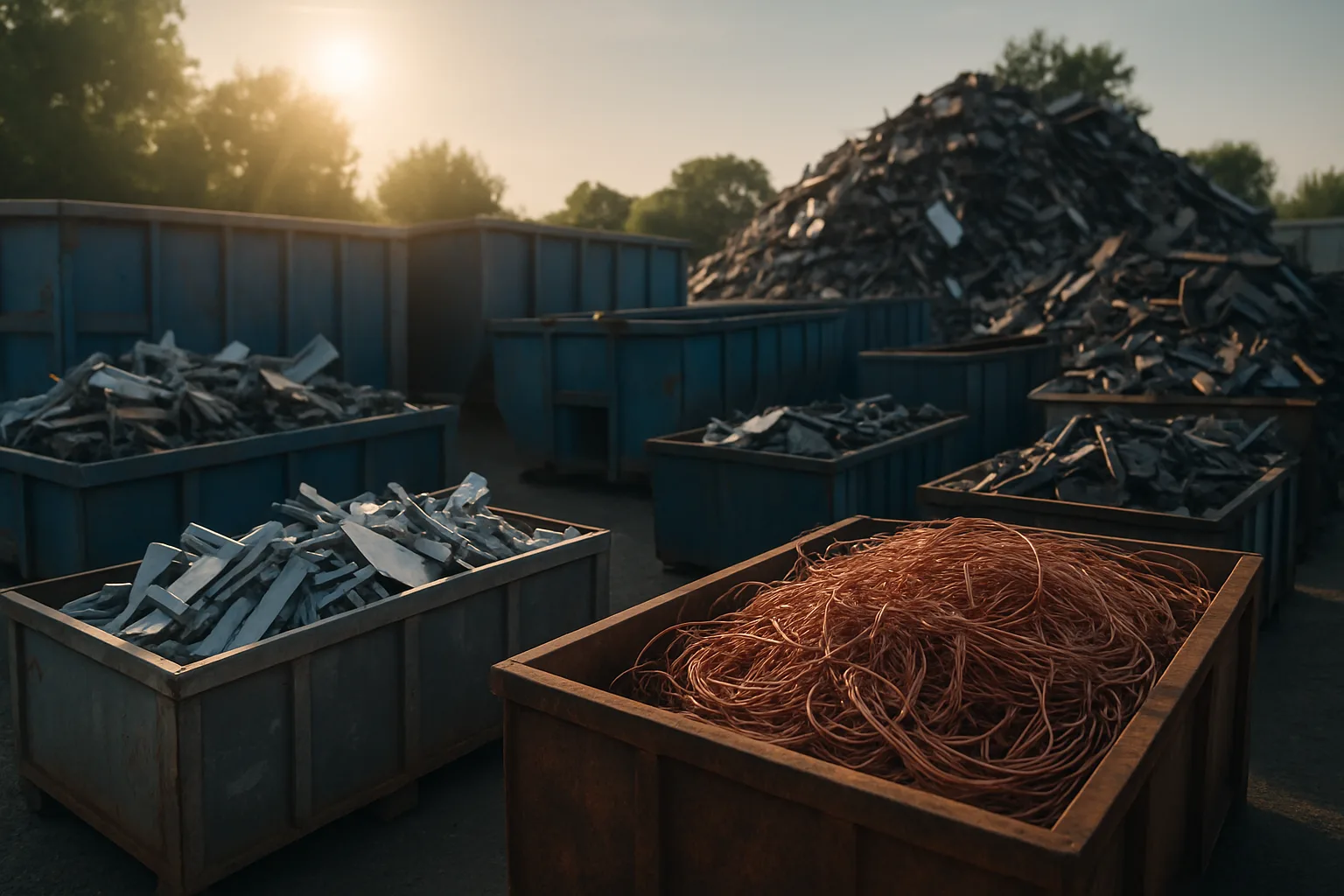
Most people treat their scrap yard like a gas station — show up, dump the load, take the cash, leave. That approach works once. Yards that know you, trust you, and value your business? They work for you long-term. If you're hauling material regularly near a scrap metal yard Dartmouth or anywhere else in Canada, building a real working relationship with your yard is one of the smartest moves you can make.
This isn't about being friends with the scale operator. It's about being the kind of customer yards remember — and reward. Better service, faster processing, fewer headaches, and better price discovery when it counts most. Here's how to get there.
---Why Your Relationship with a Scrap Yard Actually Matters
Scrap yards deal with hundreds of customers. Most are transactional. They show up with mixed loads, vague descriptions, and no paperwork. They argue at the scale. They disappear for months and come back expecting top rates. Yards notice all of this — and it shapes how they treat you.
When you show up consistently, bring clean and sorted loads, and communicate clearly, you become a preferred supplier. That status has real value. Preferred suppliers often get faster lane access, more accurate grading, and earlier notice when the yard adjusts its pricing. None of this is guaranteed — but it's far more likely when the yard knows your name and respects your operation.
Think of it the same way you'd think about any B2B relationship. Trust is built over time. Reliability is currency. A yard that trusts your documentation is less likely to dispute your weights or downgrade your material category at the scale.
---Show Up Prepared — Every Single Time
The fastest way to earn credibility at any local scrap yard Dartmouth area or across Nova Scotia is simple: come prepared. That means sorted material, accurate descriptions, and the right paperwork. No mixed loads where copper is buried under shredder steel. No mystery cores that could be anything. Clean, separated, documented.
Here's what "prepared" actually looks like in practice:
- Sort your material by grade. Copper, aluminum, stainless, and ferrous metals should never arrive in the same bin if you can help it. Sorted loads grade better and process faster.
- Know your weights before you arrive. If you're running a yard or a shop, weigh outgoing loads on your own scale. It shows professionalism and reduces friction at the gate.
- Bring proper documentation. Bills of lading, packing lists, VIN numbers for vehicles, serial numbers for cores and catalytic converters — have these ready. Yards that deal in cats or cores especially appreciate sellers who track their material properly.
- Photograph your loads. Before and after sorting. This protects you in disputes and signals to the yard that you're a serious operator.
- Communicate about large or unusual loads in advance. Don't pull up with a flatbed of non-ferrous without a heads-up. A quick call gives the yard time to allocate resources and shows respect for their operation.
Yards talk. Across Nova Scotia, buyers and processors in the same region often know each other. A reputation for clean, well-documented loads travels. So does a reputation for the opposite.
---Understand How Yards Price Material — Then Have the Conversation
One of the biggest mistakes sellers make is treating scrap prices like a fixed menu. They assume the posted rate is the rate. It usually isn't — especially for volume sellers or regular accounts. But you can't negotiate what you don't understand.
Take time to learn the basics of how your yard prices material. Spot commodity prices change daily. Your yard's posted rate reflects those movements plus their margin and processing costs. When copper moves up, rates should follow. When steel softens, ferrous prices dip. Understanding this cycle helps you time larger loads strategically and have credible conversations about pricing.
If you're a regular seller and you're moving volume, ask your contact at the yard how they'd like to structure the relationship. Some yards will offer preferred pricing for committed volume. Some prefer to negotiate load by load. Either way, asking the question — professionally, without ultimatums — opens the door. The sellers who never ask almost never get offered anything better.
And if you're wondering can you sell scrap metal for cash in Canada — yes, in most cases smaller loads are paid out in cash or cheque at the scale. Larger commercial accounts often work on net terms. Ask your yard what their standard practice is and get clarity upfront so there are no surprises.
---Use Technology to Make Yourself a Better Supplier
The scrap industry has been slow to adopt digital tools, but that's changing fast. Sellers who use platforms and tools to document, track, and market their material have a real edge — both with local yards and with buyers on the open market.
Platforms like smashrecycling.ca are built for exactly this. SMASH is a B2B scrap metal marketplace that connects sellers with vetted buyers through a competitive auction format. Instead of calling one buyer and guessing your price, you list your material, buyers compete, and the market tells you what your load is actually worth. That's price discovery — not guesswork.
For sellers in the Dartmouth area, SMASH is worth knowing about for loads where you want to test the open market. Catalytic converters, non-ferrous material, and specialty grades often attract multiple buyers when listed properly. SMASH's inventory tools support VIN lookup, serial tracking, and photo documentation — so your loads are presented with the kind of detail that gives buyers confidence and gets better results.
Even if you sell most of your material locally, using digital tools to document your inventory builds discipline that makes you a better supplier everywhere. Want to read Canadian scrap yard guides that break down more of this? There's plenty more on how to approach selling metal smarter across the country.
---Build the Relationship Over Time — Not Just When You Need Something
This is where most sellers fall short. They show up when they have material or when prices spike. They disappear when business slows. Then they expect the yard to roll out the welcome mat when they return.
Real relationships don't work that way. Here's how to build one that does:
- Stay consistent. Regular, predictable volume — even smaller amounts — is more valuable to a yard than one big load every six months. Consistency builds trust.
- Communicate early about changes. If your volume is dropping for a few months, or you're switching what you're hauling, tell the yard. Don't just ghost and reappear. Treat it like any other business relationship.
- Give feedback. If something went wrong at the scale, say something. If grading felt off, raise it professionally. Yards that want to keep good accounts are usually willing to review disputes when they're approached calmly and with documentation.
- Refer good business their way. If you know another shop or operator looking to move material, pass the yard's name along. Referrals are remembered. They shift how you're perceived from customer to partner.
- Ask questions to learn — not to argue. Ask why a certain grade was priced a certain way. Ask what grades they're currently heavy on or actively seeking. This conversation helps you understand their needs and position your loads better.
In a city like Dartmouth, where the industrial and marine sectors generate significant metal flow, yards are selective about who they prioritize during busy periods. Being known as a reliable, communicative, well-organized seller puts you at the front of that line.
---Know When to Look Beyond Your Local Yard
Even with a great local relationship, there are times when your yard isn't the right buyer for a specific load. Specialty material, large volumes of non-ferrous, or high-value catalytic converters may command better returns when exposed to a wider buyer pool.
This is where a B2B scrap metal marketplace like SMASH fills the gap. Competition can help reveal the market. More buyers means better price discovery. And documented inventory — the kind you've already built habits around — gives buyers more confidence to bid higher. No subscription fees. SMASH only wins when the seller wins.
Using SMASH for the right loads, and your local yard for day-to-day business, isn't disloyalty. It's smart. A good yard relationship actually makes you a better SMASH seller too — because you already know your material, you document it properly, and you understand what good pricing looks like.
If you're ready to find a scrap yard near you in Canada or want to explore your selling options more broadly, start by knowing your material, building your documentation habits, and being the kind of seller every yard wants more of.
---Frequently Asked Questions
Q: How do I find a reputable scrap metal yard in Dartmouth, Nova Scotia?
Start by searching for yards in your area and checking reviews from other commercial sellers and contractors. Ask about their grading process, how they pay out, and whether they handle both ferrous and non-ferrous material. A yard that's willing to answer those questions directly is usually one worth working with. You can also locate the closest Canadian scrap yard using our directory.
Q: Can you sell scrap metal for cash in Canada?
Yes, most scrap yards in Canada pay out smaller loads in cash or cheque at the scale. Larger commercial volumes are often handled through net terms or electronic transfer. Each yard has its own policy — ask before your first drop-off so you know what to expect. Requirements may vary by province and load size.
Q: What material should I sort before bringing it to a local scrap yard Dartmouth?
At minimum, separate your ferrous metals (steel, iron) from non-ferrous (copper, aluminum, brass, stainless). Further separation by specific grade — like segregating bare bright copper from insulated wire — will almost always result in better pricing. Clean, sorted loads grade faster and more accurately.
Q: Is a B2B scrap metal marketplace like SMASH better than selling to a local yard?
It depends on the load. For high-value or specialty material — catalytic converters, non-ferrous loads, or large volumes — a competitive auction platform like SMASH can expose your material to more buyers and help with price discovery. For day-to-day volume, your local yard relationship still has real value. Many experienced sellers use both.
Q: How often should I check scrap metal prices before selling?
Commodity prices move daily. If you're holding material waiting for prices to move, check spot rates at least weekly — more often during volatile markets. Your local yard's posted rates should roughly track commodity movements, but there's always a spread. Disclaimer: Scrap metal prices fluctuate constantly. Always confirm current rates directly with your yard before selling.
---The yards that give you the best service, the best grading, and the most reliable experience are the ones where you've put in the work to be a preferred supplier. Start with preparation, build with consistency, and know when to use broader tools like SMASH to maximize value on the right loads. If you're searching for where to start, find a scrap yard near you in Canada — and build from there.
Stay up to date on scrap metal market movements and industry insights by following SMASH on LinkedIn.