Most people assume a scrap yard is a scrap yard. You show up, they weigh your metal, you leave with cash. That assumption costs sellers money — sometimes a lot of it. Knowing which type of yard to visit before you load your truck can be the difference between a fair payout and leaving value on the table. If you're searching for a scrap yard near me Chilliwack, understanding this distinction is step one.
Auto recycling yards and general scrap metal yards both deal in metal. But they operate differently, accept different materials, pay by different methods, and serve fundamentally different purposes. This isn't a minor distinction. It shapes what you bring, how you prepare, and what you'll get paid.
---What General Scrap Metal Yards Actually Do
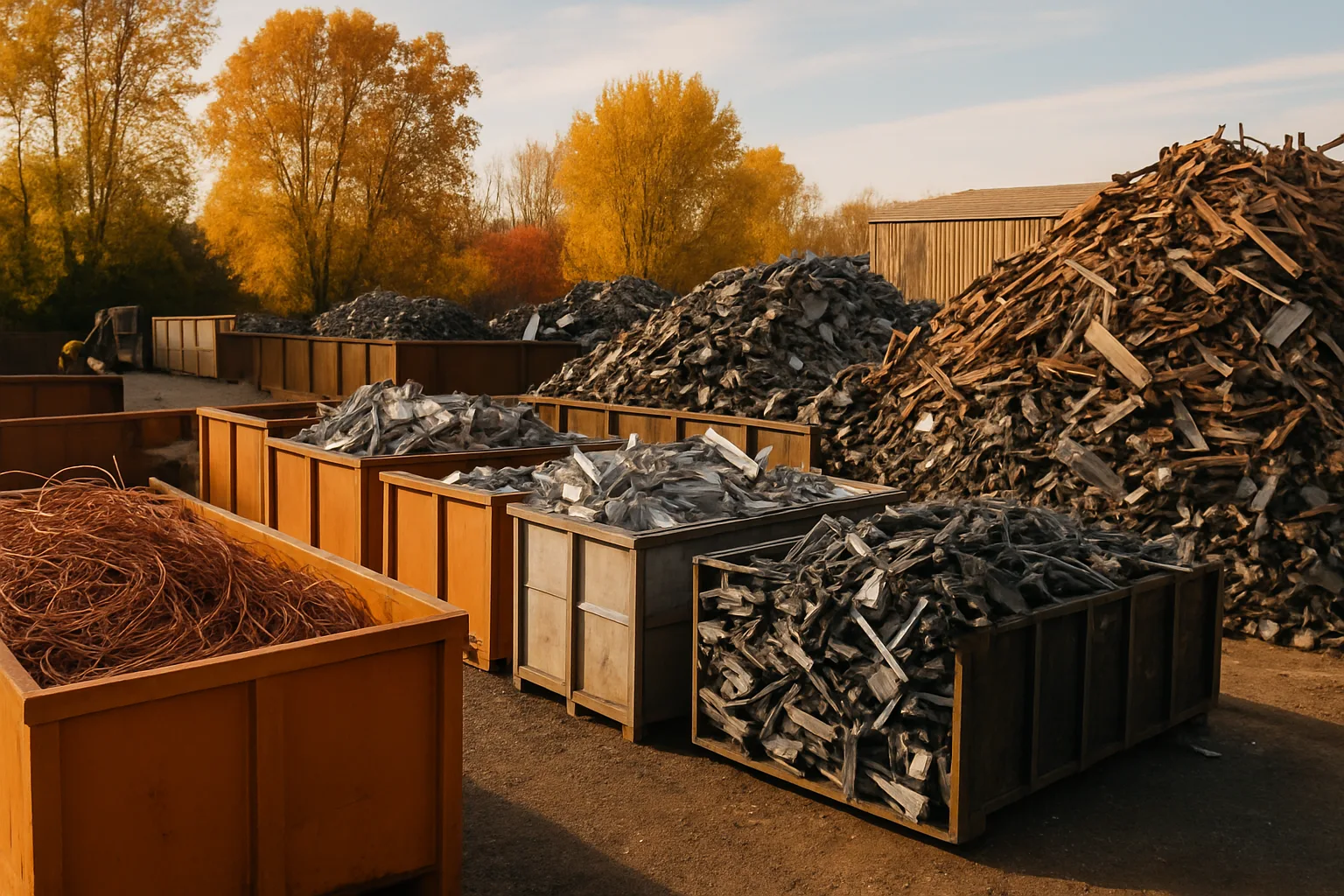
A general scrap metal yard Chilliwack — or anywhere in British Columbia — operates as a commodity processing facility. They buy bulk metal, sort it, process it, and sell it to mills and smelters. Everything is priced by weight and metal type. Copper, aluminum, steel, iron, brass — it all comes in, gets categorized, and goes out as processed material.
General yards are equipped for volume. They run industrial shredders, balers, and cranes. They'll take your old appliances, electrical wire, aluminum cans, roofing material, cast iron radiators, and structural steel. They don't care about make and model. They care about alloy and weight. If it's metal and they can process it, they'll buy it.
What they typically won't do is dismantle a vehicle for parts, maintain a searchable parts inventory, or handle the paperwork involved in transferring vehicle ownership. That's not their business model. You bring material in bulk, they process it in bulk. Simple and efficient — but limited in scope.
How Auto Recycling Yards Operate Differently
Auto recycling yards — also called auto salvage yards — are a different operation entirely. Yes, they eventually crush and sell the metal. But before that happens, a lot of value gets extracted. Trained dismantlers remove usable parts: engines, transmissions, doors, glass, electronics, airbags, seats, catalytic converters. Those parts get catalogued, priced, and sold to repair shops, rebuilders, and individual buyers.
This two-stage process means auto recyclers pay for the whole vehicle — not just its weight in steel. A 2015 Honda CR-V might weigh 1,600 kg and contain $80 worth of scrap steel. But its engine, transmission, sensors, and converter could be worth considerably more when parted out. Auto recyclers account for that recoverable value in their offer. General yards typically don't, or can't.
Auto recyclers also handle title transfer and provincial deregistration paperwork. In British Columbia, that means coordinating with ICBC to ensure the vehicle is properly removed from your name. General scrap yards don't typically manage this — they're buying metal, not vehicles. Showing up at the wrong type of yard with a full vehicle can create confusion, delays, and a lower payout than you expected.
The Catalytic Converter Question: Where to Sell and How
One of the most misunderstood materials in the recycling world is the catalytic converter. Both yard types will buy them — but the prices and processes differ significantly. General scrap yards may buy cats by weight and apply a rough per-unit or per-kilo rate. Auto recyclers who specialize in vehicle dismantling often have better valuation systems because they see high volumes of converters and know the specific precious metal content by make and model.
If you want to sell catalytic converters online, that's where platforms like smashrecycling.ca come in. SMASH runs competitive auctions for catalytic converter lots, cores, and other high-value materials. Instead of calling one buyer and accepting their price, you list your inventory and let vetted buyers compete. Competition can help reveal the market. That's a fundamentally different outcome than a single phone call to one yard.
Serial tracking and photo documentation on platforms like SMASH also add credibility to your lot. Buyers can see exactly what they're bidding on. That transparency tends to result in stronger bids, particularly for converters where the precious metal content — platinum, palladium, rhodium — drives the price. If you're moving volume, the difference between one buyer and multiple competing buyers can be material.
What About Non-Metal Items — Can You Sell a Safe for Scrap Metal?
This comes up more often than you'd think. People cleaning out a property, settling an estate, or renovating a space end up with a gun safe, fireproof cabinet, or old floor safe they don't want. The question is natural: can you sell a safe for scrap metal? The short answer is yes — but with conditions.
Most safes are built from heavy steel, sometimes with concrete composite fill between the inner and outer walls. General scrap yards will typically accept them, but they'll discount the weight significantly if there's concrete inside. You may be asked to remove the door, cut the unit, or have it inspected before they accept it. Some yards decline them outright due to the processing complexity.
Auto recycling yards generally won't take safes at all — they're outside their specialty. Your best option for a safe is a general metal recycling British Columbia facility that has the equipment to handle bulky, composite materials. Call ahead, describe what you have, and ask how they price it. Don't assume it will go at full steel weight — factor in the concrete offset when you're calculating what it's worth hauling in.
A Yard Operator's Perspective: Why the Wrong Yard Wastes Everyone's Time
Here's a scenario that plays out constantly. Someone in Chilliwack buys an estate and ends up with a wrecked Honda Civic, a pile of copper wire, three appliances, and a catalytic converter off a truck. They load it all up and drive to the first yard they find. That yard is a general processor — they take the wire and appliances, but they don't want the full vehicle, and their cat pricing is rough at best.
Now that person has to make a second trip to an auto recycler for the Civic. They may have already given up the converter — the most valuable single item — at a discounted rate. A quick understanding of what each yard type handles would have produced a better outcome with the same amount of effort.
This is exactly the kind of friction that good information eliminates. If you want to find a scrap yard near you in Canada that matches your specific material — whether that's a vehicle, a load of non-ferrous, or a mixed estate haul — knowing the difference between yard types is the foundation. Platforms like SMASH make it even easier for higher-value materials like cats and cores by creating a competitive marketplace instead of a single take-it-or-leave-it offer.
How to Choose the Right Yard for Your Situation
The decision tree isn't complicated once you know what you have. Start by categorizing your material, then match it to the right type of facility.
- Full vehicles (running or not): Auto recycling yard. They'll handle the valuation, dismantling, and paperwork.
- Catalytic converters in volume: Consider an online auction platform like SMASH for price discovery, or a specialized buyer. Don't default to a bulk processor for high-value cats.
- Loose non-ferrous (copper, aluminum, brass): General scrap yard. They're set up to sort, weigh, and pay fast.
- Appliances, structural steel, iron: General yard. Volume commodity processing is their core service.
- Safes, composite items, unusual loads: Call first. Describe the material. Get a quote before you haul.
- Mixed estate load: You may need two stops. Sort your material first and route accordingly.
In a city like Chilliwack, you have access to facilities across the Fraser Valley corridor. Some yards will handle multiple material types, others specialize. Taking ten minutes to call ahead — and to locate the closest Canadian scrap yard that fits your needs — saves time, fuel, and money. Don't drive in blind.
For businesses moving regular loads — auto recyclers selling converter lots, dismantlers with core inventories, or yards with consistent non-ferrous volumes — SMASH provides infrastructure built specifically for that. Vetted buyers, documented inventory, competitive bidding, and auto-invoicing. No subscription fee. You only pay when a load sells. Want to read Canadian scrap yard guides that break down more of these material-specific decisions? The blog covers it in depth.
---Frequently Asked Questions
Q: Is there a difference between a junkyard and an auto recycling yard near me in Canada?
Functionally, they're often the same thing — the term "junkyard" is informal. Auto recycling yards are the modern version: they dismantle vehicles, catalogue usable parts, and process the remaining metal. Some provinces, including British Columbia, have licensing requirements that distinguish certified auto recyclers from general scrap processors. An auto recycler typically handles vehicle transfers and deregistration; a junkyard may not.
Q: Can I sell my car to a general scrap metal yard near me in Chilliwack?
Some general yards will accept vehicles, but they'll typically pay steel scrap weight only — no credit for usable parts or components. If your vehicle has a working engine, transmission, or a valuable catalytic converter, you'll almost always get a better overall return from an auto recycling yard that recovers and sells those parts before crushing the shell.
Q: How do I know what my catalytic converter is worth before I sell it?
Converter value is tied to precious metal content — platinum, palladium, and rhodium — which varies by vehicle make, model, and engine type. Online auction platforms like SMASH use serial tracking and photo documentation to help buyers assess value accurately, which tends to produce more competitive bids than a blind bulk sale. Avoid selling cats in bulk at scrap steel rates — the spread can be significant.
Q: What paperwork do I need to sell a vehicle to an auto recycler in British Columbia?
You'll need your vehicle registration and a government-issued ID. The auto recycler will typically initiate the ICBC deregistration process to remove the vehicle from your name. Never hand over a vehicle without confirming that transfer is being handled — you remain liable for the vehicle until it's properly deregistered in the province.
Q: Can I sell a safe for scrap metal at a yard near me?
Yes, most general scrap yards will accept safes, but pricing varies. If the safe has concrete composite fill between the walls, the yard will likely discount the total weight to account for the non-metal content. Call ahead, describe the safe's construction, and ask how they price it before loading it onto a truck. Auto recycling yards generally won't accept safes — stick to general metal processors for this one.
---Knowing your material and matching it to the right facility is the simplest way to get a fair return on your scrap. Whether you're in Chilliwack clearing an estate, running a dismantling operation, or moving a load of non-ferrous, the yard type matters. Take a few minutes to sort your material, make a call, and route it right. When you're ready, find a scrap yard near you in Canada that fits what you have — the right match saves trips, time, and money.
Stay current on scrap metal market conditions and recycling industry insights by following SMASH on LinkedIn. It's where yard operators and buyers track what's moving in the market.