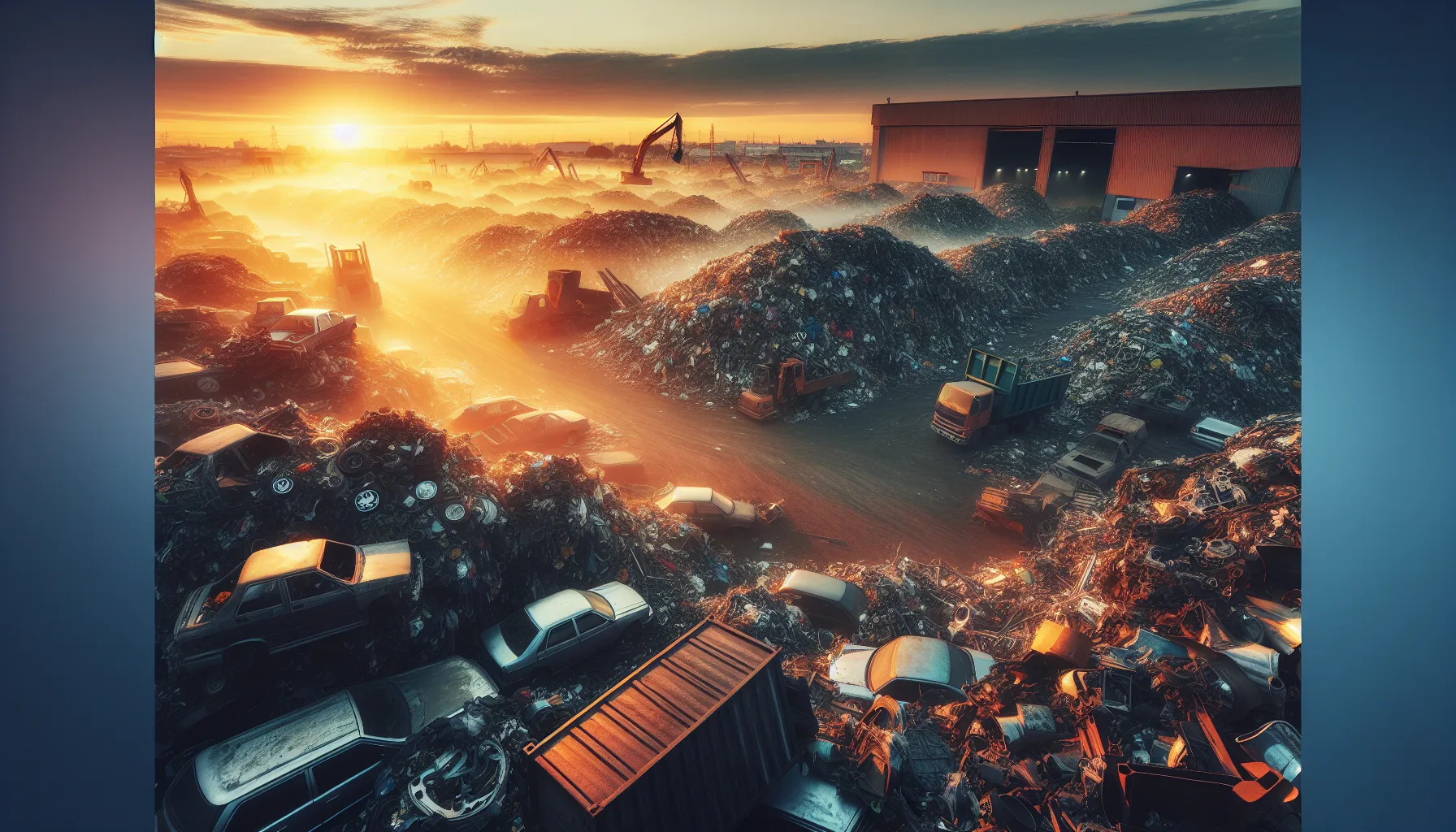
The Canadian auto recycling market processed over 1.8 million end-of-life vehicles in 2026, yet many vehicle owners still head to general scrap metal yards when disposing of their cars. This common mistake costs Canadians millions in lost value annually. Understanding the key differences between an auto recycling yard Trois-Rivières and general metal recyclers can mean the difference between getting $200 or $800 for your old vehicle.
Auto recycling yards specialize in maximizing value from entire vehicles, while general scrap yards focus primarily on raw metal tonnage. These fundamental differences affect everything from pricing to environmental impact to legal compliance.
Specialized Equipment and Processing Methods
Auto recycling yards invest in vehicle-specific equipment that general scrap metal facilities rarely possess. Hydraulic car crushers, fluid drainage systems, and parts cataloging software represent significant capital investments that only make sense for facilities processing hundreds of vehicles monthly.
The best scrap yard Trois-Rivières operations for vehicles maintain specialized lifts for safe fluid removal. Engine oil, transmission fluid, brake fluid, and coolant must be properly drained before processing. General scrap yards often lack this equipment, limiting their ability to handle vehicles safely or legally.
Auto recyclers also use sophisticated inventory management systems to track valuable components. A 2015 Honda Civic might yield $400 in scrap metal, but its catalytic converter, ECU, and airbags could be worth another $600 in the parts market. General metal recyclers typically crush vehicles without harvesting these high-value components.
Vehicle identification number (VIN) processing represents another crucial difference. Auto recycling yards must decode VINs to determine vehicle specifications, identify recalled parts, and maintain detailed records for regulatory compliance. This process requires specialized software and training that general scrap operations don't possess.
Parts Recovery vs. Metal-Only Focus
The most significant operational difference lies in parts recovery philosophy. Auto recycling yards approach each vehicle as a collection of potentially valuable components. Engines, transmissions, doors, headlights, and electronics all have secondary market value that far exceeds their scrap metal worth.
A typical auto recycler in Quebec might spend 2-4 hours processing a single vehicle, carefully removing saleable parts before sending the hulk for metal recovery. This labor-intensive approach requires skilled technicians who understand automotive systems and market demand for used components.
General scrap yards prioritize throughput over part recovery. Their business model depends on processing large volumes of mixed metal quickly. A vehicle might be weighed, crushed, and shredded within 30 minutes of arrival. While efficient for metal recovery, this approach destroys hundreds of dollars in parts value.
The economic impact extends beyond individual vehicle owners. When you sell scrap metal online through platforms like SMASH scrap, auto recyclers can offer competitive bids because they maximize revenue from every component. Their higher margins allow them to pay vehicle owners more than metal-only operations.
Environmental Compliance and Fluid Handling
Environmental regulations governing vehicle disposal differ significantly from general metal recycling requirements. Auto recycling yards must comply with strict fluid management protocols that general scrap operations may not face.
Vehicle fluids require specialized handling and disposal. Mercury switches in older vehicles, refrigerants in air conditioning systems, and lithium batteries in hybrid vehicles all present environmental hazards. Auto recyclers invest in proper containment and disposal systems because vehicles represent their core business.
Metal recycling Quebec facilities handling mixed scrap materials often lack the infrastructure for complex fluid management. A general scrap yard might accept appliances, construction materials, and industrial waste alongside occasional vehicles. This diversification means less specialization in vehicle-specific environmental compliance.
The regulatory landscape continues evolving in 2026. New restrictions on plastic disposal and battery handling affect auto recyclers more directly than general metal facilities. Quebec's updated environmental standards require auto recycling operations to achieve higher material recovery rates and demonstrate more comprehensive waste stream management.
Auto recyclers also face unique liability concerns. Improperly drained fluids can contaminate soil and groundwater. Insurance requirements for auto recycling operations typically exceed those for general scrap yards due to these environmental risks.
Licensing and Legal Requirements
Auto recycling yards operate under different regulatory frameworks than general metal recyclers. Vehicle-specific licensing requirements exist in most Canadian provinces, including specialized permits for dismantling operations and parts sales.
Title processing represents a major compliance area where auto recyclers differ from general scrap operations. Auto recycling yards must verify vehicle ownership, process title transfers, and maintain detailed records for law enforcement. These requirements don't apply to facilities handling only loose metal materials.
Some provinces require auto recycling yards to report vehicle VINs to theft databases and maintain parts inventories for law enforcement inspection. General scrap yards rarely face these reporting requirements unless they specifically choose to accept vehicles.
Zoning regulations also differ between facility types. Auto recycling yards often face stricter setback requirements, screening obligations, and noise restrictions due to vehicle dismantling activities. Municipal bylaws in cities like Trois-Rivières may treat auto recyclers differently from general metal processing facilities.
Insurance requirements reflect these regulatory differences. Auto recycling operations typically carry higher liability coverage and specialized policies covering environmental damage, stolen vehicle liability, and parts inventory. These additional costs factor into facility operations but also reflect the higher value and complexity of vehicle processing.
Market Expertise and Pricing Models
Auto recycling yards develop specialized market knowledge that general scrap facilities rarely match. Understanding which vehicle models have valuable catalytic converters, identifying high-demand used parts, and tracking automotive market trends requires focused expertise.
Pricing models reflect these knowledge differences. When searching for a junkyard near me within 8.1 km, vehicle owners often discover that auto recyclers can offer significantly higher prices than general scrap yards for the same vehicle. This price difference stems from parts recovery potential rather than just metal value.
Auto recyclers maintain relationships with parts dealers, body shops, and export markets that general scrap yards don't develop. A transmission worth $50 as scrap metal might sell for $800 to a repair shop. These market connections allow auto recyclers to offer vehicle owners better prices.
Seasonal pricing fluctuations also affect auto recyclers differently than general metal facilities. Winter tire demand, summer air conditioning component sales, and model-year changeovers create pricing cycles that auto recyclers understand but general scrap yards may not track.
The rise of online platforms has amplified these differences. Services like SMASH allow vehicle owners to compare offers from multiple recyclers, but general scrap yards often can't compete on vehicle pricing because they lack parts recovery capabilities.
Customer Service and Documentation
Customer interactions differ significantly between auto recycling yards and general scrap facilities. Auto recyclers typically provide more detailed documentation, including itemized receipts showing parts recovery value and metal content separately.
Vehicle pickup services represent another differentiator. Auto salvage yards near me often provide free towing for vehicles, while general scrap yards may require customers to deliver materials. This service difference reflects the higher value and specialized handling requirements of vehicles versus loose metal.
Auto recycling yards also offer warranty protection on used parts sales, creating ongoing customer relationships beyond initial vehicle disposal. This service model requires different staffing, inventory management, and customer service capabilities than metal-only operations.
Documentation requirements extend beyond individual transactions. Auto recyclers must maintain detailed records for regulatory compliance, warranty tracking, and potential law enforcement inquiries. These administrative requirements don't burden general scrap operations to the same extent.
The customer education component also differs markedly. Auto recycling yard staff typically understand vehicle systems well enough to explain parts value and environmental benefits to customers. General scrap yard employees may focus primarily on weight-based pricing without detailed vehicle knowledge.
When choosing between facility types, Trois-Rivières vehicle owners should consider these operational differences carefully. Auto recycling yards offer higher prices, better environmental compliance, and more comprehensive service, while general scrap yards provide simplicity for mixed metal disposal. Platforms like SMASH make it easy to find a scrap yard near you in Canada that specializes in your specific needs, whether that's vehicle recycling or general metal processing.
The decision ultimately depends on your materials and priorities. For end-of-life vehicles, specialized auto recyclers consistently provide better value and service. For mixed metal cleanup or industrial scrap, general facilities may offer more appropriate solutions. Understanding these differences helps Canadian consumers and businesses make informed choices that maximize value while ensuring proper environmental compliance.
Whether you need to locate the closest Canadian scrap yard for vehicle disposal or want to explore your options through SMASH Recycling — where verified buyers bid on your metal, choosing the right facility type starts with understanding these operational distinctions. For comprehensive information about facility types and services, read Canadian scrap yard guides that help you navigate the recycling landscape effectively.
Frequently Asked Questions
Q: What's the main difference between an auto recycling yard and a general scrap metal yard?
Auto recycling yards specialize in processing vehicles and recovering valuable parts before metal recycling, while general scrap yards focus primarily on metal tonnage from various sources. Auto recyclers typically offer higher prices for vehicles because they can extract additional value from components like catalytic converters, engines, and electronics.
Q: Can I get more money for my car at an auto recycling yard in Trois-Rivières compared to a regular scrap yard?
Yes, auto recycling yards typically pay significantly more for vehicles because they recover valuable parts before processing the metal. While a general scrap yard might offer $200-300 based on metal weight alone, an auto recycler could pay $500-800 for the same vehicle by factoring in parts value.
Q: Do both types of facilities provide vehicle pickup services?
Auto recycling yards commonly offer free vehicle towing as part of their service, while general scrap yards may require you to deliver materials yourself. This difference reflects the higher value and specialized handling requirements of vehicles versus loose metal materials.
Q: Which type of facility is better for the environment?
Auto recycling yards typically provide better environmental outcomes because they properly drain fluids, remove hazardous materials, and maximize material recovery before processing. They operate under stricter environmental regulations specific to vehicle disposal and invest in specialized equipment for safe fluid handling.
Q: How do I know if a facility specializes in auto recycling or general scrap metal?
Auto recycling yards typically advertise vehicle-specific services, maintain parts inventories, and have specialized equipment like car crushers and fluid drainage systems. You can also check if they're licensed specifically for vehicle dismantling and whether they offer used parts sales alongside scrap metal processing.
Making the right choice between facility types maximizes your return while ensuring responsible disposal practices. Find a trusted scrap yard near you in Canada — check locations at scrap-yard-near-me.ca to connect with facilities that match your specific recycling needs, whether that's specialized auto recycling or general metal processing.
For the latest industry updates and scrap metal market insights, follow SMASH on LinkedIn to stay informed about pricing trends and recycling opportunities across Canada.