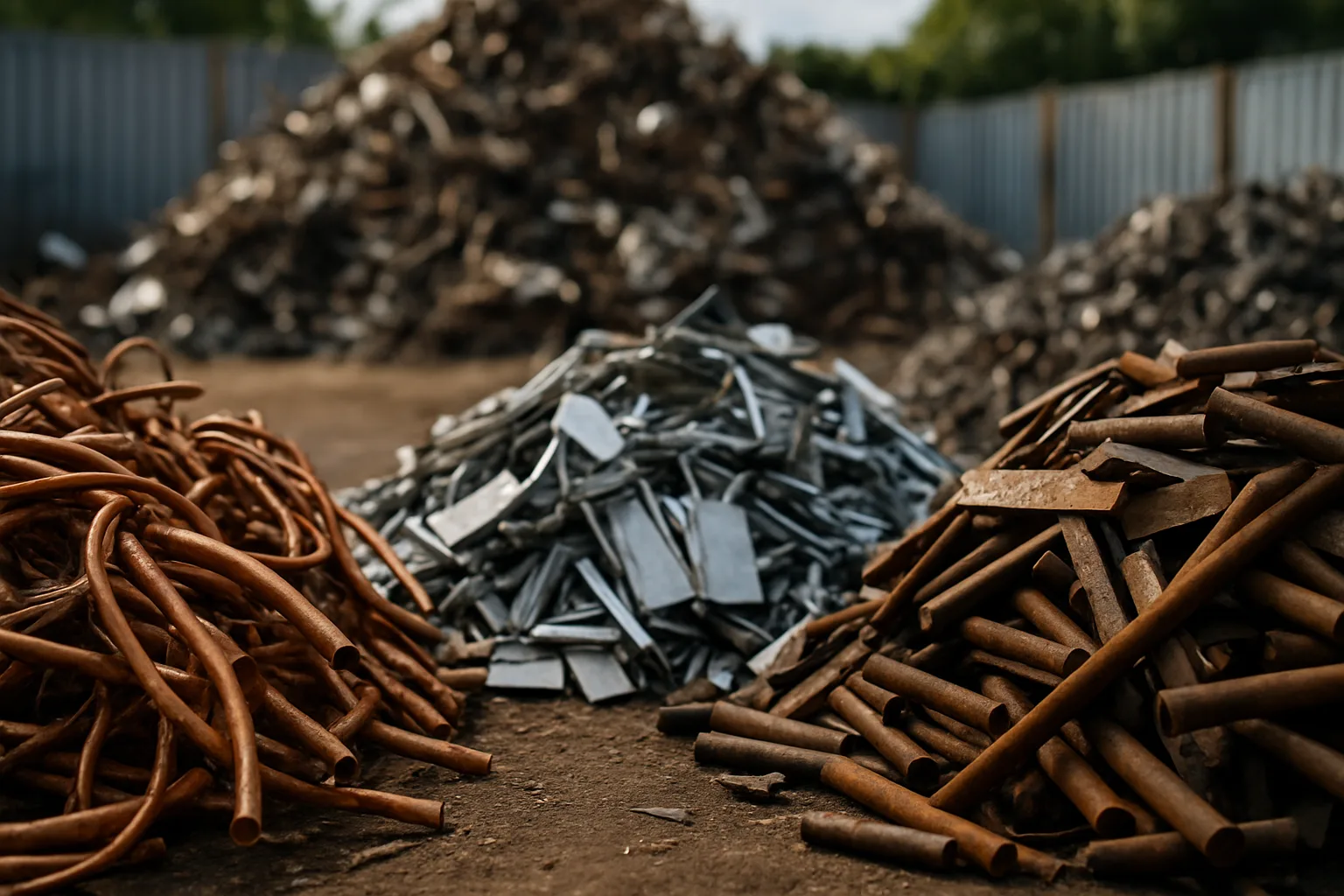
Most people searching for metal recycling near me London don't realize they're about to make a choice that could cost them money — or save them a trip entirely. Auto recycling yards and general scrap metal yards both deal in metal. But they operate differently, accept different materials, and pay differently. Knowing which one to walk into before you show up can make the difference between a smooth sale and a wasted afternoon.
This guide breaks down exactly how the two yard types differ, what each one wants from you, and how to get the best outcome whether you're hauling in an end-of-life vehicle or a load of mixed non-ferrous from a cleanout.
What Is an Auto Recycling Yard — and What Makes It Different?
An auto recycling yard — sometimes called an auto wrecker or salvage yard — specializes in end-of-life vehicles. Their business model is built around two things: reselling usable parts and processing what's left as bulk scrap. When a vehicle comes in, the yard pulls high-value components first. Catalytic converters, alternators, starters, doors, seats, engines, and transmission cores all get catalogued and shelved for resale before the carcass ever sees a crusher.
That two-stage process changes how they price your vehicle. You're not just getting paid for the steel weight. The yard factors in what parts it can pull and resell. A 2014 Honda Civic might fetch more at an auto recycler than its weight in steel would suggest — because its cats, engine, and body panels still have aftermarket demand. A badly stripped or heavily rusted vehicle with zero salvageable parts gets treated closer to pure scrap weight.
Auto recyclers in London and across Ontario are also regulated differently. They handle fluid draining (oil, coolant, brake fluid, refrigerants), tire disposal, and battery removal according to provincial environmental rules. You can't just hand over a vehicle without this process being documented. That's by design.
What Does a General Scrap Metal Yard Handle?
A general scrap metal yard — your classic scrap metal buyer near me London — deals in commodity metal by weight and grade. They want copper wire, aluminum extrusion, stainless steel, cast iron, brass fittings, electric motors, and steel plate. Vehicles are secondary, if accepted at all.
When you show up at a general yard with a load, they're grading and weighing it. Price is driven by metal type, cleanliness, and current commodity markets. A clean copper #1 wire gets a better rate than insulated wire. Bare bright copper gets the top of the board. Mixed loads get downgraded. That's just how it works.
General yards are the right call for:
- Industrial or commercial cleanouts with mixed metal loads
- Non-ferrous material like copper, aluminum, brass, or stainless
- Ferrous bulk — structural steel, cast iron, sheet metal
- Electric motors, transformers, and cores
- Household appliances and HVAC units
They're not set up to process a vehicle properly. Most won't accept a car or truck unless it's already been crushed, drained, and titled. Even then, many prefer bulk ferrous in loads rather than one-off vehicles.
How Pricing Works at Each Yard Type — and Why It Matters to You
At an auto recycler, the price you get for a vehicle is a negotiated number based on the yard's assessment of part value plus residual scrap weight. There's no posted price per pound for "a 2009 Ford F-150." They're doing a mental calculation every time. That's why calling multiple auto recyclers — or using a platform like Canada's B2B scrap recycling marketplace SMASH to get competitive offers — gives you real price discovery instead of accepting the first number thrown at you.
At a general scrap yard, pricing is more transparent. Most yards post a price board — either on-site or online — listing rates per pound or per kilogram for different grades. That said, those rates move with commodity markets. What copper paid last Tuesday may be different today. Always confirm the current rate before you haul anything in.
One thing both yard types share: volume matters. A single car or a small bag of copper gets treated differently than a trailer load. Yards prioritize buyers and sellers who move consistent volume. If you're a business generating regular scrap — whether it's a shop pulling auto parts or a contractor doing commercial work — you have more negotiating power than you think. Don't leave money on the table by defaulting to whoever picks up the phone first.
Disclaimer: Metal prices fluctuate with global commodity markets. Always check current rates directly with your local yard before making a trip or accepting an offer.
Documentation, Regulations, and What You Need to Bring
Both yard types in Ontario require ID. That's not optional. Provincial anti-theft regulations require scrap yards to log seller identification for most transactions, especially for non-ferrous metals. Don't show up without government-issued ID or you risk getting turned away.
For auto recyclers, you'll also need your vehicle's ownership (title). In Ontario, transferring a vehicle to a recycler requires paperwork. If you've lost the ownership, you'll need to sort that with ServiceOntario before the transaction can go through. Some yards will work with you on this — but don't assume.
For general scrap yards, the documentation is simpler, but the grading conversation matters more. Know what you're bringing in. A load of "mixed metal" that turns out to be mostly painted steel gets priced differently than a sorted load of clean aluminum. The more you know about your material, the better your negotiating position.
If you're selling in volume — say, a pallet of electric motors or a regular stream of non-ferrous from a commercial operation — platforms like SMASH help you document inventory properly, attach photos, and reach vetted buyers who compete for your material. That documentation gives buyers confidence and helps you avoid the lowball that comes with undocumented, mystery loads.
Which Type of Yard Should You Use in London, Ontario?
London has a solid mix of both yard types across the city and surrounding area. If you're dealing with a vehicle — running or not — start with an auto recycler. They're equipped to handle it properly, they'll give you a fair read on part value, and they'll handle the environmental compliance side. If the vehicle has been in the family a long time and you know certain parts are in good shape, mention that. It can affect the offer.
If you're dealing with metal from a renovation, a shop cleanout, or a commercial job, a general scrap yard is your play. Sort your material before you go. Separate your copper from your aluminum. Pull steel out of mixed loads if you can. Cleaner loads pay better — every time.
For businesses in London or anywhere across Ontario generating regular scrap volume, find a scrap yard near you in Canada and consider whether a single-buyer relationship is actually serving you. Competition between buyers is how price discovery works. A vetted auction process — instead of one phone call to one yard — is often the move when the loads are large enough to matter.
Not sure where to start? Locate the closest Canadian scrap yard to your location and confirm whether they handle the specific material you have. A five-minute call saves a wasted trip. And if you want to go deeper on how different yard types operate across the country, read Canadian scrap yard guides built for both first-timers and experienced sellers.
Using Online Tools to Find the Right Yard — and the Right Price
The days of just Googling "scrap yard open today near me" and hoping for the best are behind us. Smart sellers — whether they're individuals doing a one-time cleanout or businesses moving regular tonnage — use online tools to confirm hours, accepted materials, and current pricing before they load a truck.
For individual sellers, the most important step is confirming the yard takes your specific material. Not every yard accepts vehicles. Not every yard handles non-ferrous. Showing up with a load of catalytic converters to a ferrous-only yard is a frustrating way to spend a morning.
For B2B sellers — recycling operations, auto shops, industrial facilities — the London scrap metal services available through platforms like SMASH go further. You get documented inventory management, VIN lookup for vehicle-based transactions, photo documentation, and access to vetted buyers who compete for your loads. No subscription fees. The model only works when you do.
If you're generating consistent volume in Ontario or across North America, sell scrap metal online through a structured process rather than a cold call to a single buyer. The difference between one buyer's offer and a competitive auction can be significant — and you won't know until you try both.
Whether you're offloading an old vehicle or running a full commercial recycling operation, the right yard — and the right process — matters. Start by understanding what you have, find the yard built for that material, and don't settle for the first number you hear.
Find a trusted scrap yard near you in Canada — check locations at scrap-yard-near-me.ca and get connected with the right facility for your material, your volume, and your location.
Frequently Asked Questions
Q: Can I take my car to a general scrap metal yard in London instead of an auto recycler?
Most general scrap yards in London and across Ontario are not set up to accept vehicles directly. They typically require a vehicle to already be drained, crushed, and properly titled before they'll take it as bulk ferrous. Your better option for an end-of-life vehicle is a licensed auto recycler who handles the full process.
Q: What do I need to bring when selling scrap metal near me in London?
At minimum, bring valid government-issued photo ID — this is required by Ontario regulations for most scrap metal transactions. If you're selling a vehicle, bring the ownership/title. For large or commercial loads, having a packing list or inventory documentation can help you get a better, faster offer.
Q: How do scrap metal prices today differ between auto recyclers and general yards?
Auto recyclers price vehicles based on part value plus scrap weight — it's a negotiated number, not a per-pound rate. General yards use a posted price board based on metal grade and weight. Both types fluctuate with commodity markets, so always confirm current rates before you make the trip. Never accept a price without knowing what the market looks like that day.
Q: Is there a way to sell scrap metal online in Ontario without hauling it to a yard?
Yes. For B2B sellers with larger loads, platforms like SMASH let you list inventory, document materials with photos and serial tracking, and receive competitive bids from vetted buyers — without defaulting to a single cold call. It's not for single bags of copper, but for commercial volumes, it changes the equation entirely.
Q: How do I find a scrap metal buyer near me in London that's open today?
Use scrap-yard-near-me.ca to locate verified yards in the London area, confirm their current hours, and check what materials they accept. Always call ahead — hours change, and not every yard accepts every material type every day. A quick call saves a wasted trip.
Stay current on scrap metal market trends and industry news — follow SMASH on LinkedIn for regular updates built for recyclers and metal sellers across North America.